
The Short List of What Not to Put Down a Drain
Drains are built to carry water and human waste. Anything else risks a clog. The most common backups we clear come from food, hygiene products, and harsh chemicals. This guide covers what not to put down a drain and why each item fails. For routine cleaning across South Jersey, see our drain cleaning in Evesham page.
Pipes inside your home are narrow. A kitchen line is often only two inches across. A toilet branch is three. Once a sticky item coats the wall, every later item builds on it. That is how a small habit turns into a full backup.
The Sewer Kings serves homes across Evesham, Marlton, Voorhees, and the rest of Camden and Burlington counties. Most of our calls trace back to a few simple mistakes. Avoid these items and your drains will run clean for years.
Below we walk through the three big categories. Food and grease come first. Bathroom items come next. Hazardous chemicals close the list. Each section explains the why, not just the what.
The Sewer Kings is a local drainage and sewer company based in Evesham, NJ.
Food and Kitchen Waste to Keep Out
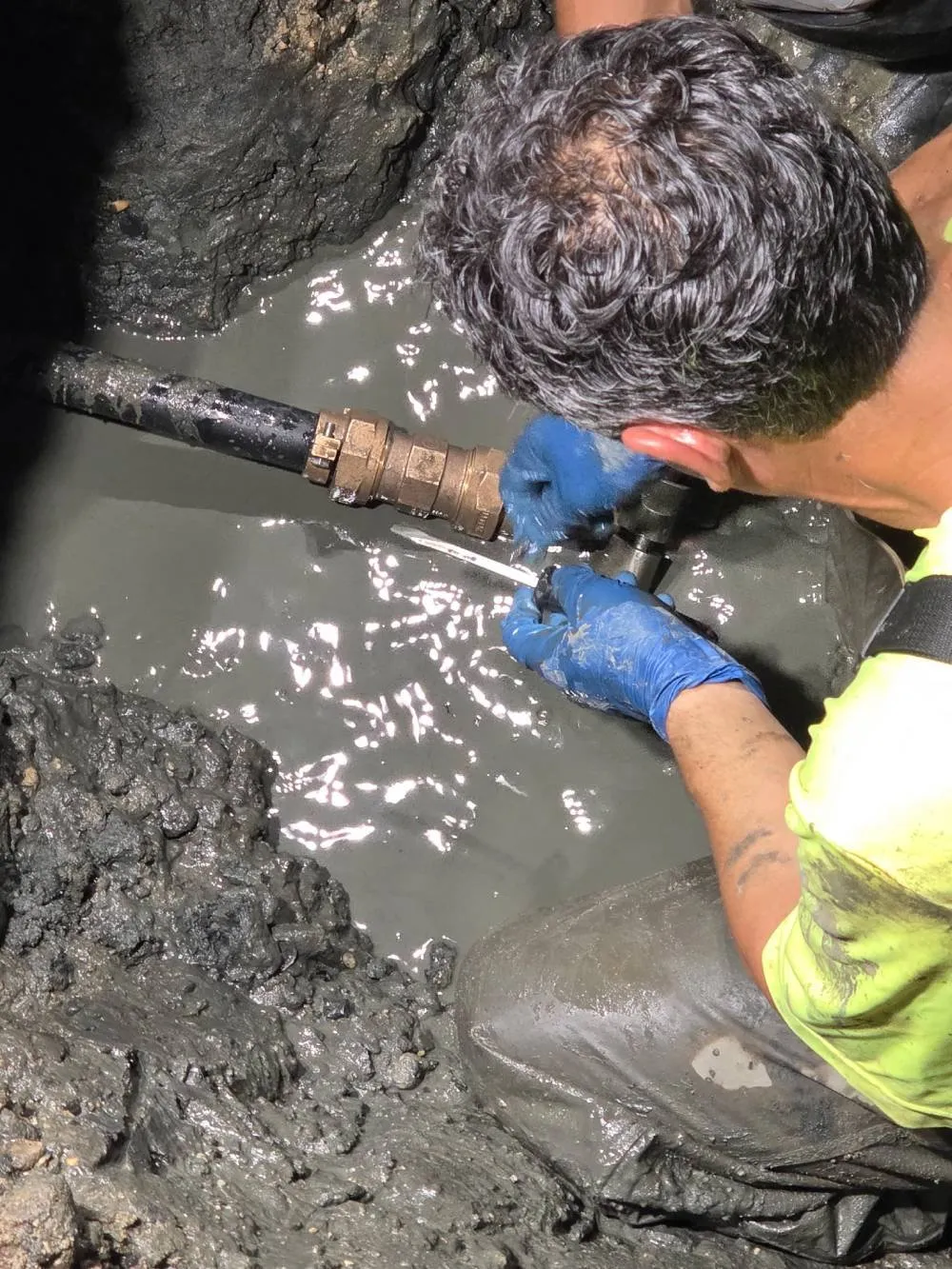
The kitchen sink is the number one source of clogs we clear. Most homeowners think a garbage disposal can handle anything. It cannot. A disposal grinds food, but the pipe past it still narrows to two inches.
Fats, Oils, and Grease
Fats, oils, and grease are the worst offenders. Hot bacon fat looks like a liquid in the pan. It hits the cold pipe and hardens within minutes. Layer after layer builds up until water cannot pass. The EPA tracks FOG as a top cause of sanitary sewer overflows nationwide.
Coffee Grounds
Coffee grounds clump like wet sand. They sink in the trap and pack tight against grease. A scoop here and there feels harmless, but a year of habit fills a P-trap. Toss grounds in the trash or compost bin instead.
Rice, Pasta, and Oatmeal
Starchy foods swell when they meet water. A spoon of rice can double in size inside the pipe. The same goes for pasta and oatmeal. They turn into a sticky paste that grabs every other bit of debris.
Eggshells and Fibrous Produce
Eggshells do not break down. The thin membrane wraps around disposal blades and the small shards settle in the trap. Fibrous produce like celery, corn husks, and potato peels twist into ropes that jam the disposal or the next bend.
If your kitchen line is already slow, do not wait. A camera survey and a professional cleaning will reset the pipe. Learn more on our drain service page.
Bathroom Items That Should Never Go Down a Drain
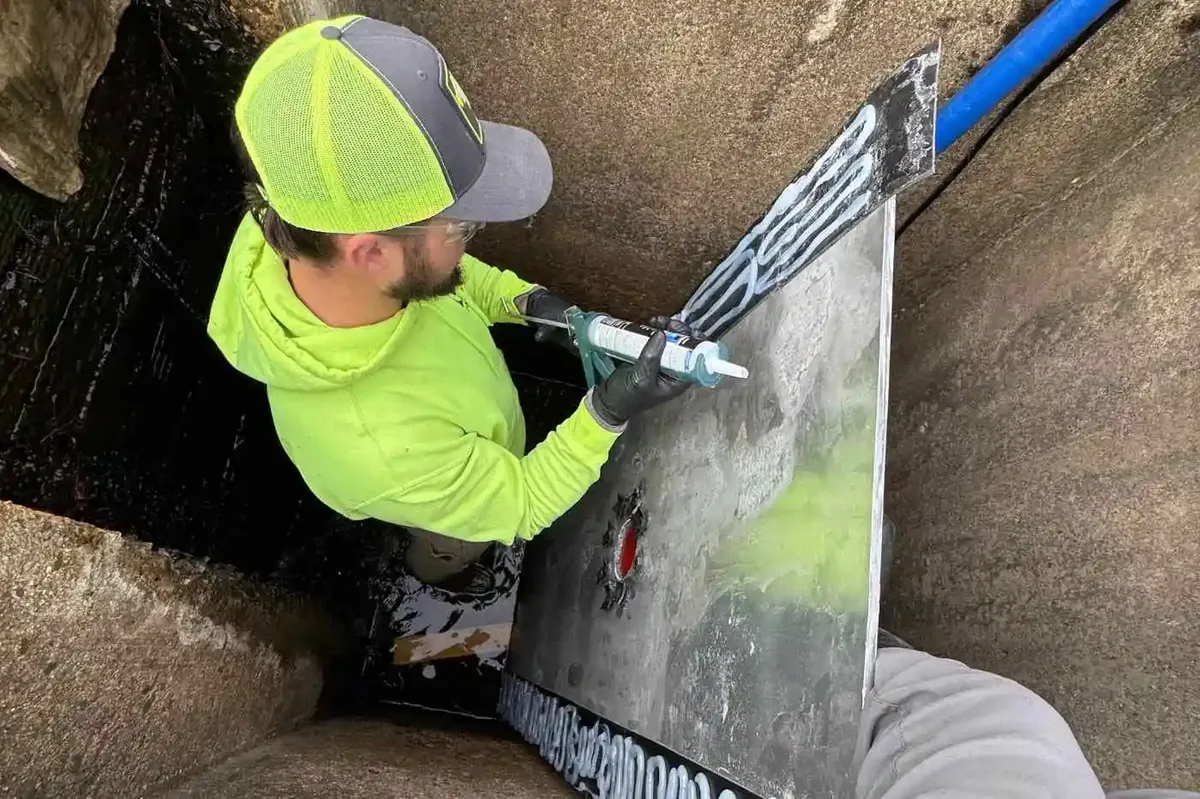
The bathroom is the second hotspot for clogs. Toilets and tub drains are wider than kitchen lines, but they still clog fast. Anything thicker than toilet paper is a problem.
Wet Wipes, Even Flushable Ones
Flushable wipes are the biggest scam in plumbing. The label says flushable, but the wipes do not break down. They snag on roots, joints, and any rough spot. Cities across New Jersey spend millions each year pulling wipe clogs from public sewer mains.
Paper Towels and Tissues
Paper towels are built to stay strong when wet. That is the opposite of toilet paper. A single sheet can plug a toilet trap. Facial tissues act the same way. Keep both in the trash.
Sanitary Products and Cotton
Tampons, pads, and cotton balls absorb water and swell. They lodge in the toilet bend or the first sewer joint. We pull these from clogged toilets almost every week, often years after they went down.
Hair and Dental Floss
Hair is the top cause of tub and shower clogs. A few strands a day knot around the stopper and trap soap scum. Dental floss is worse because it never breaks down and ties hair into a tight ball. A simple drain hair catcher solves both.
If a wipe or sanitary product is already stuck deeper in the line, a snake may not be enough. Our hydro jetting service uses high pressure water to scour the pipe clean.
Hazardous Chemicals That Damage Your Drains and the Environment
Some items will not clog your pipe right away. They will instead eat the pipe wall or poison the water system. These are just as bad as a physical clog, and often worse.
Chemical Drain Cleaners
Store bought drain cleaners use lye or sulfuric acid. The chemical heats up as it eats the clog. That same heat softens PVC and cracks older cast iron. We have replaced sections of pipe ruined by repeat use of these products.
Bleach, Ammonia, and Solvents
Bleach and ammonia in small dilute amounts are fine. A full bottle is not. The fumes are dangerous and the chemicals kill the good bacteria in any septic system. Paint thinner, gasoline, and turpentine should never enter a drain at all.
Paint and Construction Waste
Latex and oil paint coat the pipe and harden. Joint compound and grout are even worse because they set like concrete. Wipe brushes on a rag and let leftover paint dry in the can before tossing it.
Pharmaceuticals and Motor Oil
Flushing old pills sends drugs straight into the public water supply. Local water plants cannot filter most medications. Take them to a take back program at the Evesham Township police drop box or any pharmacy. Motor oil is the same story. One quart can ruin thousands of gallons of groundwater.
Cat Litter and Cleaning Cloths
Even litter labeled flushable swells and packs the toilet trap. Disinfecting cloths read like paper but act like wipes inside the pipe. Both belong in the trash, not the bowl.

What to Do If Something Slips Down by Accident
Accidents happen. A spoonful of grease, a wipe in a guest bathroom, a clump of hair on shave night. The right next step depends on what went down and how fast you act.
If a small amount of grease just went down a hot sink, run hot tap water for two minutes. Follow it with cold water. The cold flush firms the grease past the trap and into the wider line. Then change the habit going forward.
If a hard object slipped down a sink trap, do not run more water. Place a bucket under the trap and unscrew it. Most items sit in that bend. A ring, a small toy, or a piece of food often comes right out.
If the toilet is slow after a wipe or paper towel, use a flange plunger first. Skip the chemical cleaners. They will not break a fiber clog and they will damage the bowl wax ring.
If water is rising, gurgling in another fixture, or backing up into the tub, stop and call a pro. That is no longer a simple clog. Our emergency drain service covers South Jersey around the clock.
Want to learn the warning signs to watch for? See our guide on the signs of a clogged main line. Catching a backup early saves money and stress.
The U.S. Environmental Protection Agency keeps a helpful overview of fats, oils, and grease and how they harm public sewers. Read more at the EPA FOG guidance page.
Frequently Asked Questions About What Not to Put Down a Drain
No. Hot water and dish soap only push the grease a few feet down the pipe. Once it cools, it hardens to the wall. This is the single most common cause of kitchen line clogs we clear in Evesham and Marlton.
No, even wipes labeled flushable do not break down like toilet paper. They snag on joints and roots and build up in the sewer line. The Sewer Kings pulls wipe clogs from South Jersey sewers every single week.
Pour it into an empty can or jar. Let it cool and harden. Then toss the whole container in the trash. For larger amounts, many South Jersey towns offer a household waste drop off. Never pour grease down any drain.
Already Dealing With a Slow or Clogged Drain?
Customers across South Jersey trust The Sewer Kings for honest, same-day service.