

Heavy rain in South Jersey can fill up the city sewer fast. When that happens, dirty water can push back into your home through a floor drain or basement toilet.
A backwater valve stops that mess before it starts. It is a small one way gate inside your sewer line that closes the door on a backup.
Many older homes in Evesham, Cherry Hill, and Mount Laurel were built without one. If your basement has a toilet, shower, or floor drain, this device can save you from a costly cleanup.
In this guide, The Sewer Kings explain how a backwater valve works. We also cover when you need one, what it costs, and basic care. See our full sewer line cleaning service page for related work.
The Sewer Kings is a local drainage and sewer service based in Evesham, NJ.
What a Backwater Valve Does
A backwater valve is a one way check valve installed on your main sewer line. Some people call it a backflow preventer or a sewer check valve.
Inside the valve sits a small flap. The flap stays open while water and waste flow out of your home toward the city sewer.
When sewage tries to flow back the other way, the flap floats up and seals the pipe. That seal blocks dirty water from rising into your basement.
Once the backup pressure drops, the flap falls back open. Your drains then work like normal again with no reset needed.
Mainline Valves Versus Fixture Valves
A mainline backwater valve protects the whole house. It sits in the main sewer line, usually inside the basement floor near the cleanout.
A fixture valve protects only one drain, like a single floor drain or basement toilet. These are smaller and cheaper, but they only guard the fixture they sit under.
Mainline valves are the better choice for most South Jersey homes with full basement plumbing. To see how a clean main line and a backwater valve work together, visit our sewer line cleaning page.
Signs Your South Jersey Home Needs One
Not every home needs a backwater valve. A few clues tell us when one is a smart upgrade.
Your Basement Sits Below the Street
If your lowest drain sits lower than the street level, gravity works against you. A surcharged city sewer can push water uphill into your basement.
International Residential Code section P3008 calls for a backwater valve in this case. The rule covers any fixture below the next upstream manhole.
You Have Plumbing in the Basement
A basement bathroom, laundry sink, or floor drain is the first thing to flood in a backup. A valve protects those low fixtures first.
Even an unused floor drain is a risk. Sewage will find the lowest path into your home if the city line surcharges.
You Have Had a Backup Before
One sewer backup is bad luck. Two is a pattern. If brown water has come up your basement drain even once, do not wait for the next storm.
You Live in a Heavy Rain Zone
Burlington County hazard plans now rate flood risk as medium in Evesham Township. Heavy storms can overload local sewer lines and trigger basement backups. The New Jersey DEP combined sewer overflow program shows how often city sewers reach capacity during rain events.
The more your area floods, the more value a backwater valve adds. It is cheap insurance against a five figure cleanup.
Where the Valve Gets Installed and What It Costs
A backwater valve sits in the main sewer line inside or just outside your home. The exact spot depends on your layout.
Inside the Basement Floor
Most retrofits go in the basement floor near the existing cleanout. The plumber cuts a hole in the concrete and digs down to the main sewer pipe.
A short section of pipe gets cut out. The valve drops in and the pipe is sealed back up.
A concrete patch goes over the top with an access lid for future cleanouts.
Outside in the Yard
Some homes get the valve outside in the yard between the house and the city sewer. This works when there is no basement floor space. Yard installs often pair well with a drain pipe replacement job already in progress.
Typical Cost in South Jersey
A new home build install runs a few hundred dollars since the floor is still open. That is the easiest time to put one in.
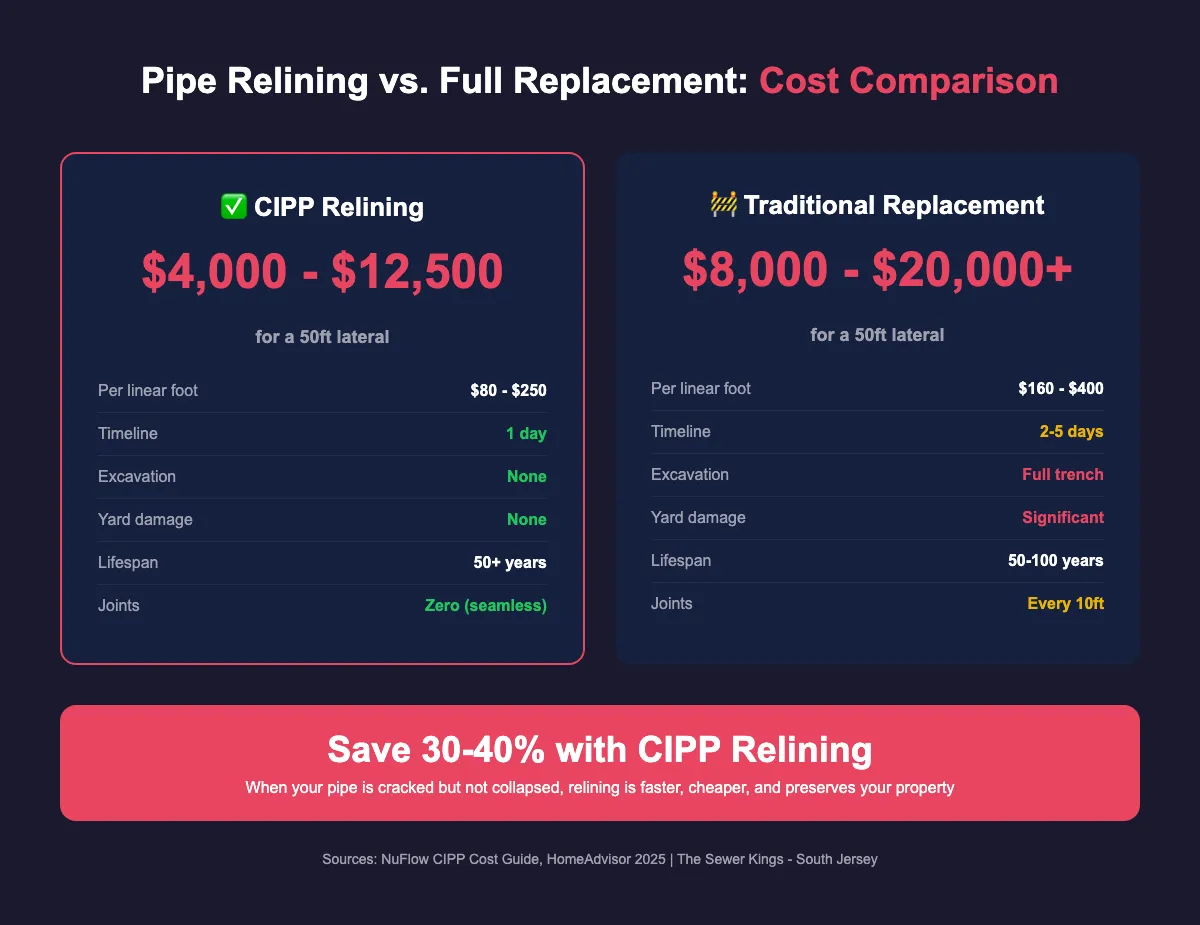
A retrofit on an older home is a sizable job, usually in the several thousand dollars range. The work involves cutting concrete, digging, and patching the floor back.
Tough installs with deep pipes, finished basements, or yard excavation cost more. We give a flat quote after a quick site visit.
If your sewer line is already damaged, the valve is best paired with a fix. Our sewer line repair team can handle both at once and save you a second concrete cut.
Maintenance and What Can Go Wrong
A backwater valve is not a set it and forget it part. It needs a quick check once or twice a year to stay ready.
Yearly Cleaning
The access lid lifts off so you can see the flap. Any debris, hair, or grease near the seat needs to come out.
A dirty flap will not seal all the way. A flap that gets stuck open is the same as having no valve at all.
Camera Check After Heavy Use
After a major storm or sewer backup, we run a camera down the line. This step confirms the flap closed and that no debris is wedged in the seat. See our CCTV drain survey for what that check looks like.
Watch for Slow Drains
A valve that gets jammed by roots or grease can slow your whole house. Tubs gurgle and toilets drain slow.
If you spot those signs, call before the next rain. Our sewer blockage clearance crew can clean the line and check the valve in one trip.
When a Backup Still Happens
If sewage shows up in your basement and the valve did not close, treat it as an emergency. Call our emergency drain service line for same day help across South Jersey.
Many homeowners also ask about coverage when a backup happens. Read our post on are blocked drains covered by insurance for what to expect from your policy.
Backwater Valve FAQ
Yes in many cases. International Residential Code section P3008 calls for a backwater valve when basement fixtures sit below the next upstream manhole. Most South Jersey towns follow this rule on permits.
A quality backwater valve lasts 25 to 30 years with yearly cleaning. The plastic body holds up well. The flap and seal may need replacing once during that time if they wear or get stuck.
It stops sewer backups, not groundwater or surface flooding. The valve seals the sewer line so dirty water cannot rise into your home. You still need a sump pump for groundwater that comes in through the walls or slab.
Worried About Sewer Backups in Your South Jersey Home?
Worried about a sewer backup this storm season? The Sewer Kings install and service backwater valves across Evesham and South Jersey.
Call today for a free estimate and an honest answer on whether your home needs one.
Across South Jersey, The Sewer Kings handles drain and sewer work every day.