
How a CCTV Drain Survey Finds Hidden Clogs

5.0
& Yelp Reviews


Book A Free Estimate
Submit your information below.

Our Reviews

Why South Jersey Trusts The Sewer Kings


Book A Free Estimate
Submit your information below.
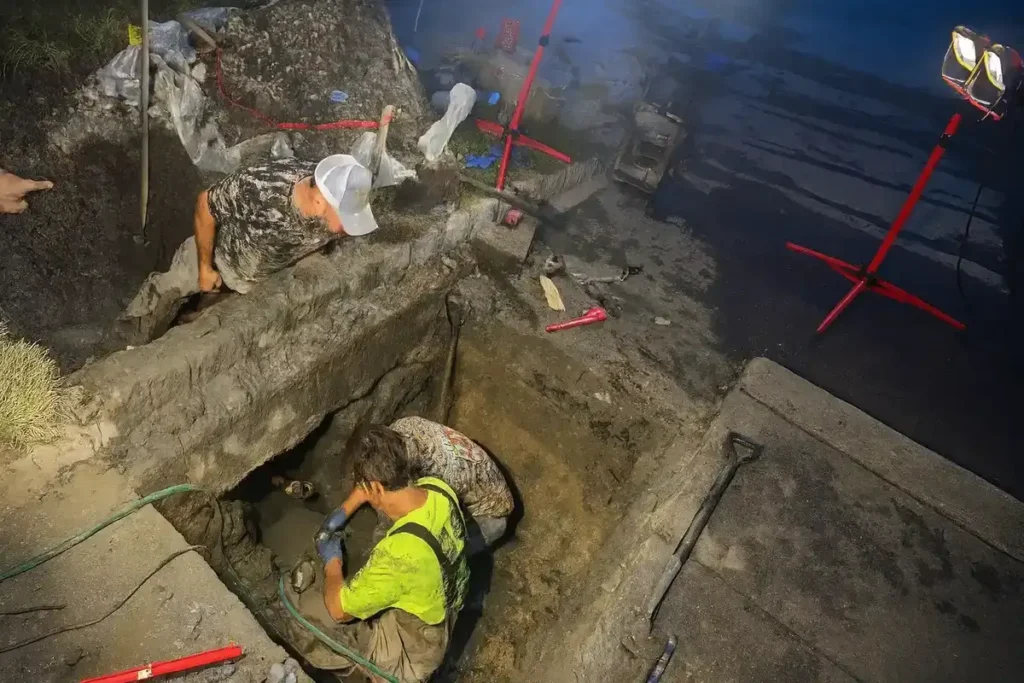
See the Clog Instead of Guessing at It
A drain that keeps backing up is frustrating because the cause is hidden. You can clear it again and again without ever knowing what is actually in the pipe.
That guessing costs money. Every repeat visit, every bottle of drain opener, and every hour of cleanup adds up while the real problem stays in the ground.
A CCTV drain survey changes that. A CCTV drain survey in Cherry Hill Township sends a camera through the line and shows the inside of the pipe on a screen. The clog and its cause are right in front of you.
This guide from The Sewer Kings explains how the survey works, what it can find, and when it is worth doing. It also covers how the video turns into a clear plan.
CCTV simply means closed circuit television. In plain terms, it is a small waterproof camera on a long cable that records what it sees inside the pipe.
How a CCTV Drain Survey Works
The crew feeds the camera into the drain through a cleanout, a fixture, or another access point. A cable pushes it along the line while it sends live video back to a screen.
Lights on the camera head brighten the pipe wall so details show clearly. The operator moves slowly through bends and stops to look closer at anything unusual.
The camera head also sends a signal that can be tracked from above ground. That lets the crew mark where a problem sits on the lawn or floor, and how deep it is.
Camera work has industry standards behind it. NASSCO, the trade group for sewer pipe rehabilitation, runs a program called PACP that trains people to code pipe conditions in a consistent way.
The video can be recorded. That gives you a copy to review, share with family, or compare against a future inspection.
Some lines need a little prep before the camera goes in. A pipe packed with grease or roots may need clearing first, so the camera has room to move and a clear view of the wall.
What a Camera Finds Inside a Drain
Root Intrusion
Roots growing through joints show up as fine hairs or thick masses inside the pipe. They catch paper and waste and cause repeat clogs.
Grease Buildup
Grease looks like a thick coating on the pipe wall. It narrows the opening and traps food and soap.
Scale in Old Pipe
Older cast iron often shows a rough, crusty wall. That scale grabs debris and slows the flow.
Sags and Standing Water
A low section holds water that the camera dips into. Waste settles in that spot and builds into a clog.
Cracks and Broken Joints
Cracks, gaps, and joints that have shifted out of line show clearly on video. These let soil and roots in and often need a repair.
Foreign Objects
Toys, wipes, and other items that should never be flushed are easy to spot. Once found, they can be pulled or cleared.
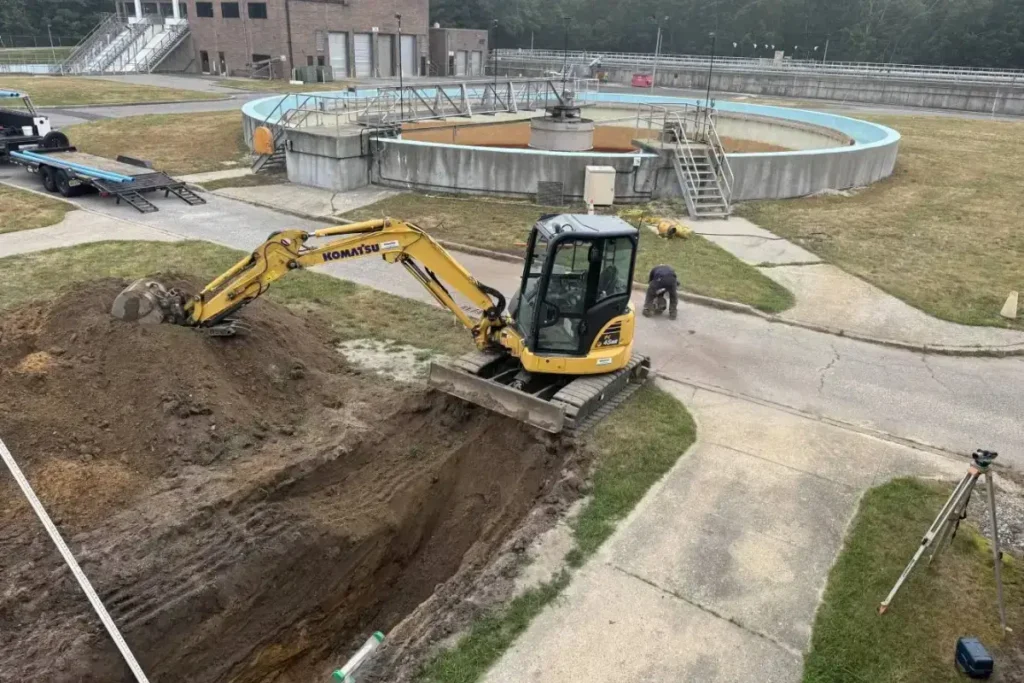
When a CCTV Drain Survey Is Worth It
The most common reason is a drain that keeps clogging. If the same line backs up again soon after a cleaning, the camera shows what the cleaning missed.
A survey also makes sense before a repair. Knowing exactly where the damage is keeps digging small and helps you compare repair options.
It is useful after a backup, too. Once the line is cleared, the camera shows whether the clog was a one-time event or the sign of damage that will keep causing trouble.
Buying a home is another good time. A camera look at the sewer line before closing shows problems a standard home inspection does not check.
Homes with large trees near the pipe route benefit too. Roots find old joints, and catching them early is far easier than clearing a full blockage.
Businesses use surveys as well. Restaurants, rentals, and commercial buildings with busy drains can catch grease and root problems before a backup shuts things down during business hours.
Landlords get value from it too. A camera look between tenants can catch a growing problem before the next family moves in and calls about a backup on the first weekend.
After a repair, a final camera pass proves the work. It shows the line is clear, the new pipe is in place, and water flows the way it should.
Turning the Survey Into a Clear Plan
The Sewer Kings walks through the video with you. We point out what we see and explain what it means in plain English.
We also note where each problem sits along the line. Distance from the access point and depth from the surface help plan any repair so it stays as small as possible.
Cleaning
Grease, sludge, and small root growth can often be cleared with a cable machine or high-pressure jetting.
Descaling
Heavy scale in old cast iron may need descaling to bring the pipe back to its full width.
Repair or Relining
Cracks, broken joints, and sags usually need a spot repair, relining, or replacement, depending on how much of the line is damaged.
You get a flat rate for the work before it starts. The video and the quote together let you make a decision based on facts, not guesses.
Some old lines look rough on camera even after cleaning. Our guide on what pipe descaling removes that snaking can’t explains why.

FAQs
Frequently Asked Questions About CCTV Drain Surveys
A CCTV drain survey shows the inside of the pipe on video. It reveals roots, grease, scale, cracks, broken joints, sags, and objects that are causing clogs or damage.
No, a drain camera does not damage a pipe in normal use. The camera moves slowly through the line on a cable. If a line is fully blocked, it may need clearing first so the camera can pass.
Yes, ask for a recording of your survey. The Sewer Kings reviews the footage with homeowners in Cherry Hill Township, NJ, so you can see the problem for yourself.
Want to See What Is Really in Your Drain?
The Sewer Kings runs camera surveys on homes and businesses across Cherry Hill Township. Every survey comes with a straight explanation of what the camera found.
Call us for a free estimate and a clear look inside your drain line.