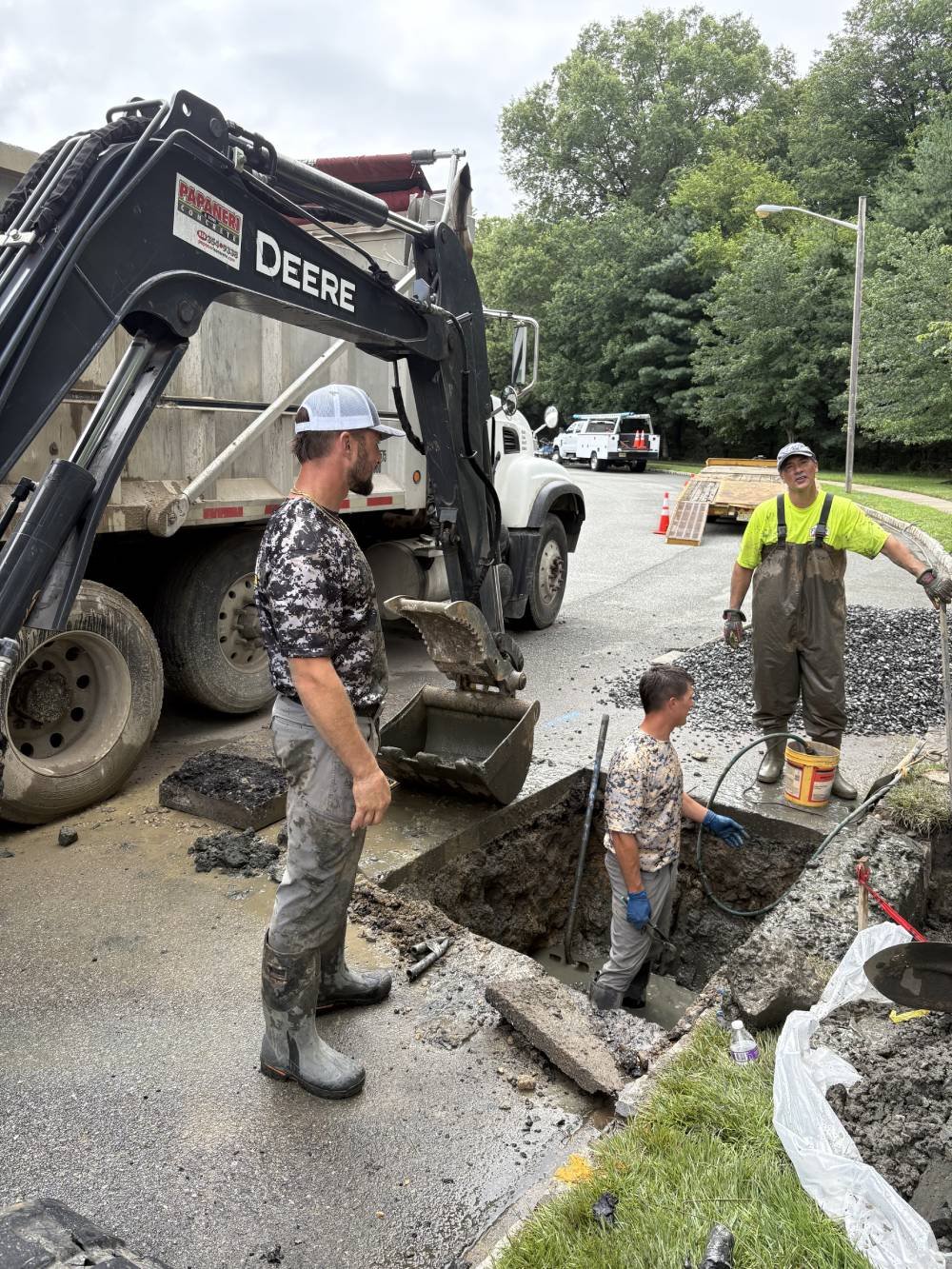
Root Intrusion Removal in Evesham, NJ

5.0
& Yelp Reviews

Book A Free Estimate
Submit your information below.

Our Reviews

Why South Jersey Trusts The Sewer Kings


Book A Free Estimate
Submit your information below.
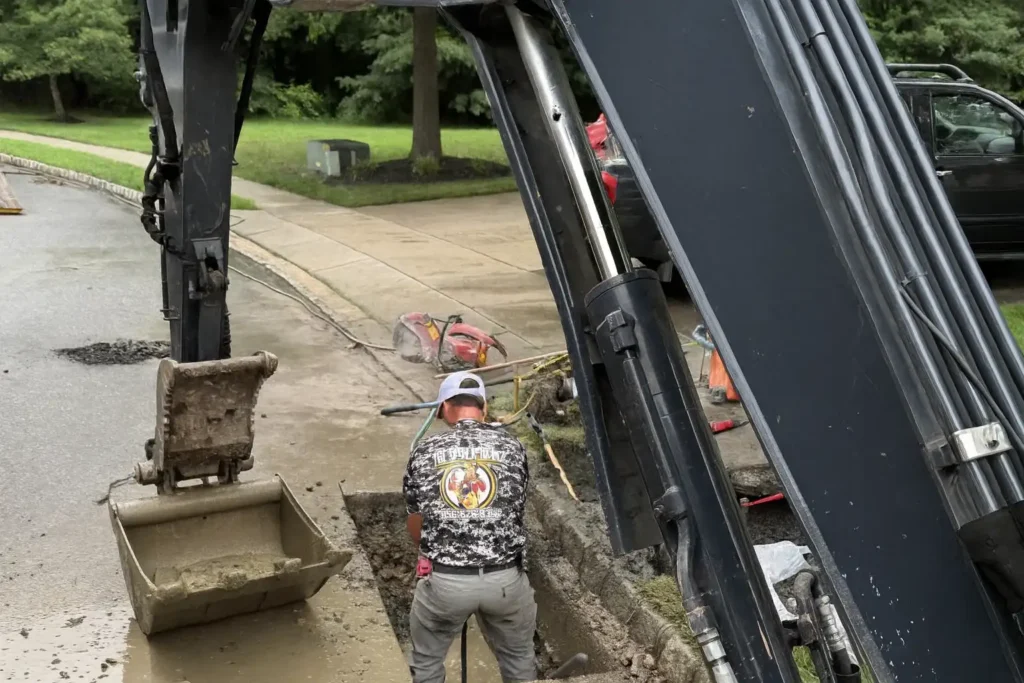
In Evesham, NJ, tree roots invade sewer lines and cause slow drains or total blockages. This page covers mechanical cutting, hydro jetting, and camera inspection for root-damaged pipes. Emergency and scheduled service is available across Burlington County. Contact us for same-day root removal. Our drainage service team restores flow without unnecessary excavation.
How Tree Roots Enter Sewer Pipes in Evesham Properties
Homeowners in mature neighborhoods like Kettle Run Estates and commercial properties with landscaping face root intrusion that worsens over time. Understanding entry points helps property owners decide between cleaning and replacement. Clay soil in Burlington County holds moisture that attracts roots to cracked sewer laterals.
Tree roots grow toward sewer pipes because they follow moisture and nutrients. Even small cracks or loose joints release vapor that roots detect from 50 feet away. Once roots reach the pipe, they force their way through openings and expand inside the line.
Clay and cast iron pipes installed before 1985 have joints that separate as soil shifts. Each joint becomes an entry point for hair-like feeder roots. These roots thicken over months until they form dense masses that catch toilet paper and waste.
Older Evesham properties have clay tile pipes with bell-and-spigot joints sealed with mortar or tar. The seals deteriorate over decades and let roots penetrate easily. Properties built in the 1960s and 1970s see the most severe root problems because pipes are reaching the end of their lifespan.
Mechanical Cutting Removes Root Masses from Drain Lines
Residents with slow drains or gurgling toilets and property managers in older Evesham buildings need immediate flow restoration. Rotating blades cut through thick root balls to restore drainage fast. Willow and maple trees common in Evesham yards send aggressive roots toward sewer pipes.
Mechanical cutting uses a motorized cable with a cutting head designed for root removal. The head has sharp blades that spin at high speed and shear roots flush with the inside pipe wall. We feed the cable through your cleanout and advance it to the blockage location shown on camera inspection.
The cutting process takes 30 minutes to two hours depending on root density and pipe length. Light root intrusion clears quickly with a few passes. Dense root masses require multiple passes with different cutting head sizes. We start with smaller heads to bore through the blockage, then use larger heads to cut roots back to the pipe wall.
Root cutting restores flow immediately so your drains work again. However, the roots left behind begin regrowing within months. The cutting head cannot remove every fiber because it only clears the pipe opening. Hair-like roots remain attached to cracks and joints.
Hydro Jetting Clears Remaining Root Fibers After Cutting
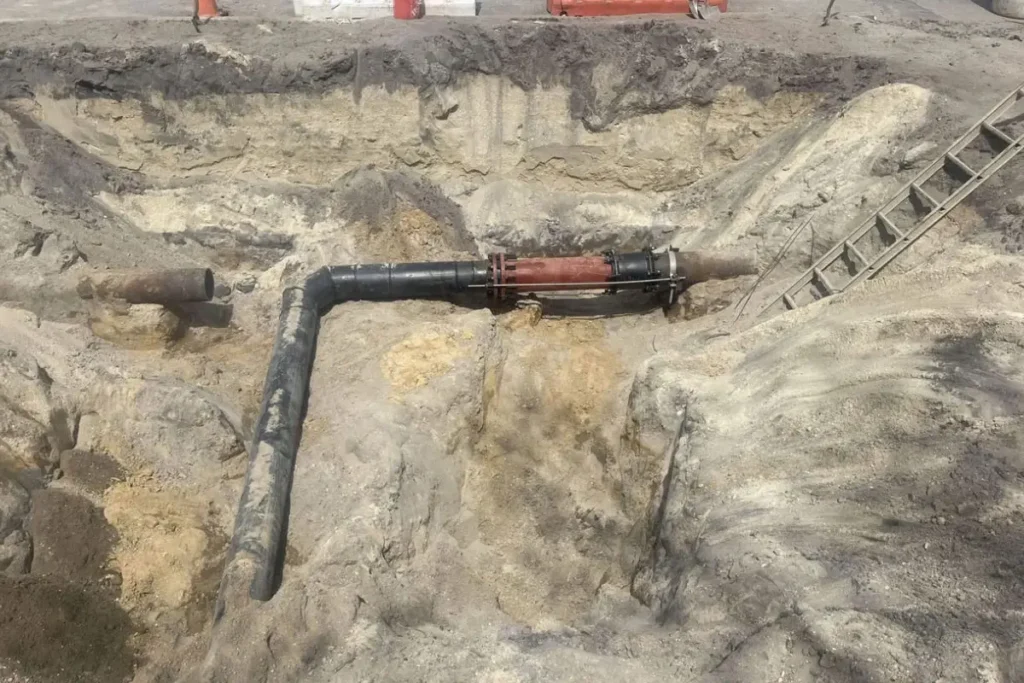
Homeowners who want thorough cleaning and businesses near Route 70 with recurring blockages benefit from hydro jetting after mechanical cutting. High-pressure water scours pipe walls clean and removes hair-like roots cutters miss. Properties built before 1985 often have clay tile pipes with open joints roots penetrate easily.
Hydro jetting plumbing uses water at 3,000 to 4,000 PSI to blast remaining root fibers from pipe surfaces.The jetting nozzle has forward-facing jets that cut through debris and rear-facing jets that propel the hose and flush material downstream. We insert the nozzle through a cleanout and pull it slowly through the line.
The water jet removes roots mechanical cutters cannot reach. Fine roots clinging to rough pipe surfaces, roots growing into cracks, and debris trapped in joints all wash away under high pressure. Hydro jetting also clears grease and scale that built up around the root mass.
This combination service extends the time between root removals. Properties that need mechanical cutting annually often go two to three years after adding hydro jetting. The thorough cleaning eliminates the debris that helps roots reestablish quickly.
We adjust water pressure based on your pipe material and condition. PVC pipes handle full pressure, while fragile clay tile requires lower settings to prevent further cracking. Camera inspection before jetting shows any weak spots we need to avoid.
The jetting process takes one to two hours for most residential sewer lines. We work backward through the pipe to ensure debris flows toward the municipal connection. Final camera inspection confirms all roots are removed and shows the clean pipe interior.
Camera Inspection Shows Where Roots Damaged Your Pipes
Property buyers doing inspections and residents in Marlton area troubleshooting repeat problems need to see actual pipe condition before spending money on repairs. Video reveals cracks, offsets, and collapsed sections before you invest in cleaning. Freeze-thaw cycles in NJ winters worsen existing cracks that let roots enter.
We send a waterproof camera through your sewer line before and after root removal. The high-definition footage shows where roots entered, how much damage they caused, and whether the pipe is structurally sound. You watch the inspection with us and see problems firsthand.
Camera inspection identifies entry points that need sealing or replacement. A single crack lets roots invade again within months after cutting. Knowing where roots entered helps you decide whether spot repairs or full replacement makes financial sense.
The footage shows pipe material, joint condition, and interior surface quality. Clay tile pipes with separated joints need different treatment than cast iron with pinhole cracks. This information determines whether root prevention treatments will work or if you need pipe replacement.
Preventive Treatments Slow Root Regrowth Between Services
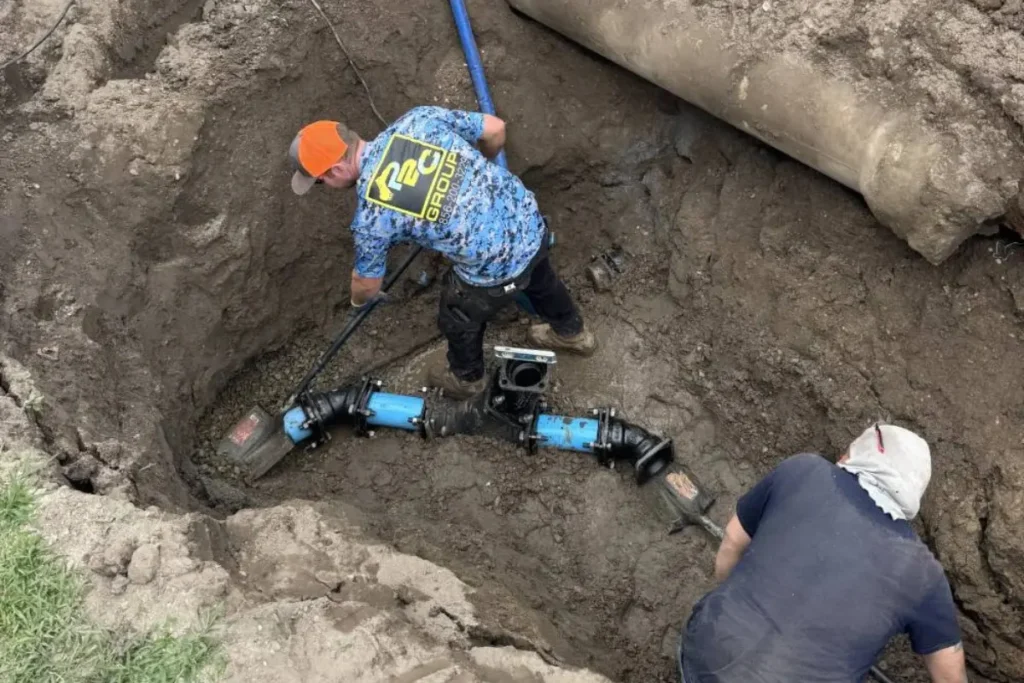
Homeowners with large trees near sewer lines and multi-unit properties in Evesham want to extend time between expensive root removals. Copper sulfate or foam treatments extend time between mechanical cleanings. High water table areas near tributaries require more frequent root control service.
Root-killing treatments use chemicals that poison roots inside pipes without harming trees. Copper sulfate crystals dissolve in water and coat roots that contact the solution. The roots die back and detach from pipe walls. We flush treatments through your cleanout twice a year for ongoing prevention.
Foaming root treatments expand to fill the entire pipe and coat all surfaces. The foam contains herbicides that kill roots on contact and create a barrier that lasts six months. This method works better than crystals for pipes with standing water or poor slope.
Physical root barriers installed during pipe replacement prevent future intrusion. These vertical panels go in the ground between trees and sewer lines. Roots hit the barrier and grow downward instead of toward pipes. Copper-treated barriers last 20 years and stop 90 percent of root problems.
What is root intrusion removal in Evesham, NJ?
Root intrusion removal in Evesham, NJ clears tree roots that grow into residential and commercial sewer lines through cracks or pipe joints. Technicians use rotating cutters and high-pressure water jets to extract root masses blocking drain flow. Mechanical auger cutting shears roots flush with pipe walls to restore immediate drainage. Hydro jetting flushes out remaining fibers and debris that cutters miss. Video camera inspection locates entry points and shows pipe damage caused by root growth. Most Evesham homeowners schedule service after repeated clogs or sewage backups in older neighborhoods with mature landscaping.

FAQs
Frequently Asked Questions about
Collapsed Drain Repair
We remove roots from backed-up sewers in Evesham within two to four hours for emergency calls. Same-day service is available when you contact us during business hours. Most residential root removals finish in one visit using mechanical cutting and hydro jetting. We arrive with camera equipment to locate the blockage before cutting. Emergency service prioritizes active backups that prevent toilet and drain use. Non-emergency root cleaning is typically scheduled within 24 to 48 hours.
Cutting roots does not damage sewer pipes when performed by trained technicians using properly sized equipment. Professional cutting heads match your pipe diameter and remove roots without gouging walls. We use camera inspection before cutting to identify fragile sections and adjust our approach. PVC, cast iron, and clay pipes all tolerate mechanical cutting when done correctly. The greater risk comes from letting roots grow unchecked until they crack pipes or create complete blockages.
Roots grow back within one to three years after removal depending on tree proximity and pipe condition. Properties with trees within 10 feet of sewer lines see regrowth in 12 to 18 months. Older pipes with multiple cracks allow faster reinvasion than newer lines with minor damage. Hydro jetting after mechanical cutting extends time between services by removing fine roots that reestablish quickly. Root prevention treatments push regrowth timelines out to two to four years.
Camera inspection after root cleaning shows cracks, breaks, and root entry points without digging. High-definition video reveals whether roots entered through existing damage or forced new cracks. We see offset joints, collapsed sections, and areas where pipe walls have deteriorated. The footage shows the size and location of each problem so you know exactly what repairs are needed. This documentation helps with insurance claims and repair planning without expensive excavation.
We offer foam and granular root prevention treatments for Evesham homes to slow regrowth between cleanings. Copper sulfate treatments flush through your sewer line twice yearly and kill roots on contact. Foaming herbicide products coat all pipe surfaces and last six months per application. These treatments extend time between mechanical removals and reduce emergency call frequency. We recommend prevention plans for properties with chronic root problems or large trees near sewer lines.
Homeowners insurance coverage for root intrusion removal varies by policy and depends on what caused the damage. Most policies do not cover root removal because it is considered maintenance, not sudden damage. However, insurance may cover pipe repairs if roots caused a collapse or crack that led to property damage. Camera reports document the extent of root damage and help support claims. Review your policy or contact your agent before filing to understand your coverage.