

Understand professional drain cleaning
If you have ever tried to unclog a stubborn drain with a plunger or store-bought liquid cleaner, you know how frustrating do-it-yourself attempts can be. While some minor clogs respond to simple fixes, major blockages often require more advanced treatment. Professional plumbers spare you the guesswork and offer a trained eye that uncovers underlying issues. By combining specialized tools and extensive experience, they pinpoint the root cause of your drain troubles and clear blockages quickly, protecting your home from costly damage.
You might wonder, “How do professionals clear drains?” The simple answer is that experts approach the problem systematically. They start by diagnosing your drains’ condition, often using video cameras to spot hidden problems. Then, they select the right method—mechanical snaking, hydro jetting, or other specialized techniques—to remove every trace of buildup. This careful process helps restore healthy water flow in less time, while also prolonging the life of your pipes. If you suspect a bigger issue might be lurking underground, check what are the signs of a clogged main line? to see if you should call a plumber sooner rather than later.
Explore specialized tools
Professional drain clearing typically relies on four main tool categories: inspection cameras, snakes or augers, hydro jet machines, and strategic cleaning attachments. Each serves a particular purpose.
• Inspection cameras. A camera feed helps plumbers identify the exact nature and location of blockages. They can detect grease buildup, invasive tree roots, or large foreign objects. This approach prevents needless guesswork and ensures your plumber chooses the safest, most efficient method. (Eyman Plumbing)
• Drain snakes and augers. A motorized drain auger uses a rotating metal cable to break up clogs lodged deep in your pipes. Professionals often use powerful augers that can navigate tight bends without damaging your plumbing. (Keefe’s)
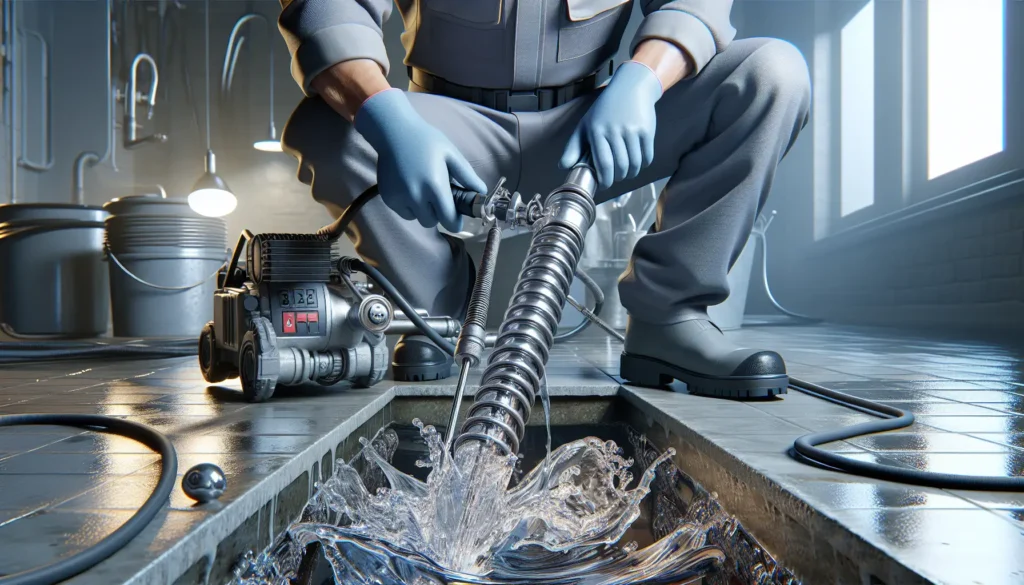
• Hydro jetting. In this high-pressure water technique, a specialized nozzle scours away debris like grease, soap scum, and even small tree roots. Pressures can range from 1,500 to 4,000 PSI, letting the water blast away years of buildup. (Benjamin Franklin Plumbing)
• Cleaning attachments. Depending on the clog, plumbers may use special cutting heads on their augers or angled nozzles on the hydro jet to get the most thorough clean. These targeted attachments help remove stubborn grease balls or thick root tangles without damaging your pipes.
By partnering these tools with decades of hands-on experience, professionals minimize risks like pipe corrosion or accidental bursts. They also avoid harsh chemicals, which can eat away at PVC or metal and threaten your home’s health over time. If you are curious about the difference in scope between basic pipe care and heavier-duty projects, you may want to see what is the difference between drain cleaning and sewer cleaning?.
Follow the expert process
Professional drain cleaning generally unfolds in four steps. This process keeps you informed from start to finish, giving you confidence that every blockage will be tackled with minimal disruption.
Assessment and consultation\ Your plumber listens to your concerns, asks about symptoms like frequent backups or slow drainage, and inspects accessible areas such as beneath sinks or cleanout pipes. This appointment sets the stage for a more detailed camera inspection if needed. (Freedom Plumbing)
Camera and location check\ When drains are badly blocked or if the plumber suspects a significant underground issue, a camera system is threaded into your lines. It provides a live feed to reveal any cracks, tree root intrusions, or dense clogs hidden behind walls or under your yard. (Keefe’s)
Mechanical or hydro jet cleaning\ After pinpointing the problem, experts decide on the best technique. Snaking is popular for smaller drain lines, while hydro jetting is the top choice for large sewer lines or dense grease blockages. (Pilot Plumbing) Each method removes debris thoroughly, ensuring clean interiors and better flow.
Final inspection and testing\ Once the clog is cleared, your plumber tests water flow and rechecks the line to confirm the blockage is gone. Finally, you receive tips on preventing new clogs and guidance on scheduling routine drain maintenance. (Poole’s Plumbing)
Professional cleaning offers two main advantages over chemical drain cleaners. First, it is safer for your plumbing because harsh chemicals can weaken pipe walls. Second, it is environmentally friendly because hydro jetting and snaking do not introduce corrosive agents into your water supply. Not only does this approach protect your household, it also preserves local ecosystems. (Benjamin Franklin Plumbing)
Prevent future blockages
After a successful cleaning, you want to prolong those clear drains. To do this, you might rethink certain daily habits. Simple changes such as disposing of kitchen grease in a waste bin, scraping plates before washing, and flushing only toilet paper down the toilet go a long way toward preventing buildup. Homeowners who prefer a proactive approach often schedule inspections every year or two to nip emerging clogs in the bud. (The Sewer Kings)
You could also explore periodic professional maintenance plans. If your drains see heavy use or if you have older piping, staying ahead of potential clogs saves you from inconvenient backups. And if you are not sure how often to tackle a comprehensive check, it is worth reviewing how often should drains be professionally cleaned? to protect your plumbing in the long run.
Plan your next steps
When a plunger or a quick fix fails, you may ask yourself, do i need a plumber to unclog a drain?. Usually, the safest option is finding a licensed professional who can handle even the toughest blockages. Service fees often range between $100 and $600 depending on the clog’s severity and your location, and accessing a buried or difficult-to-reach blockage may increase the cost a bit more. (The Sewer Kings) That might feel like a big investment, but prompt expert intervention can spare you from broken pipes or an expensive home repair bill later.
Whether you are in Evesham, NJ or any area prone to aging infrastructure, do not wait until a small clog evolves into a full-blown sewer backup. Professionals are trained to diagnose and resolve the source of your drainage hassles, ensuring you regain reliable water flow as soon as possible. Consider scheduling a camera inspection if you suspect hidden damage or repeated blockages. By partnering with an expert, you keep your plumbing system in peak condition and avoid the headaches of future clogs.
Even if everything seems to drain fine, it pays to remain vigilant. Small signals like slow drains, gurgling noises from the pipes, or foul odors can hint at early blockages. A timely inspection or consultation is typically faster and cheaper than a rushed emergency call. Keep your home protected—and your peace of mind intact—by leaning on professional know-how whenever you sense trouble ahead.
Clearing your drains does not have to be a messy, disruptive ordeal. With the right approach, you will see real results quickly and safely. A professional evaluation, advanced tools like motorized augers or hydro jets, and responsible after-care tips all combine to ensure your home’s drains stay free and clear. When you trust a proven process, you can focus on what matters most—knowing you are in good hands from the first inspection to the final test flush.
Get your quote now – contact us