

Are you wondering how much does it cost to line a sewer pipe? Lining your existing sewer pipe can often be a cost-effective way to fix leaks or cracks without digging up your whole yard. You can typically pay between $80 and $250 per foot for lining (Benjamin Franklin Plumbing), though your final price depends on variables like pipe condition, length, and accessibility. Below, we’ll walk through what pipe lining is, the main cost factors, and how it compares to traditional replacement so you can choose wisely for your home in Berlin, New Jersey.
Understand what pipe lining is
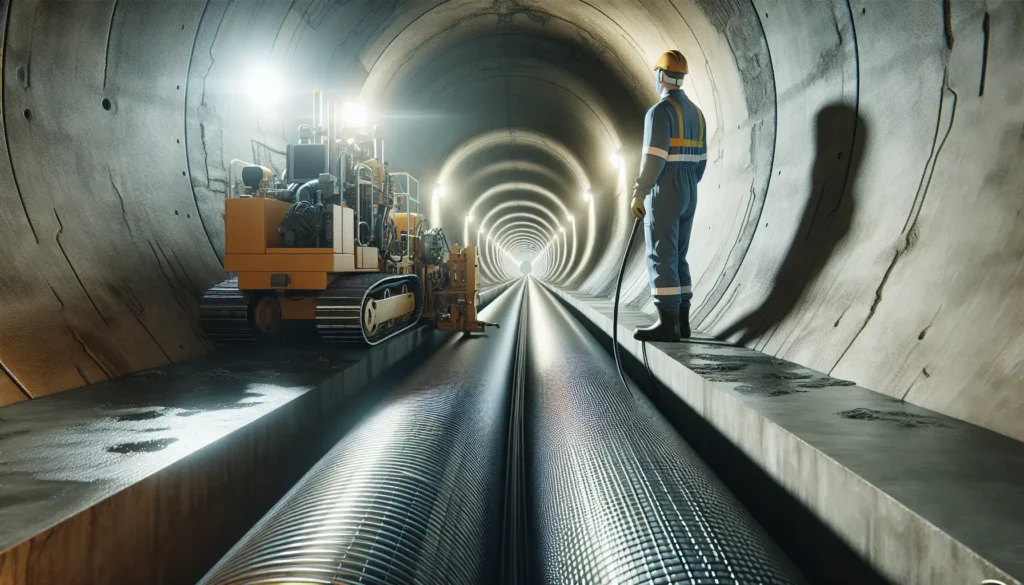
Pipe lining is a trenchless repair method designed to restore an existing sewer line by installing a new, durable interior layer. Rather than excavating your property to remove old pipes, a plumber inserts a resin-coated tube that hardens in place, creating a protective seal:
- The process is less disruptive than a full excavation, so you often keep your landscaping, driveway, or sidewalk intact.
- It can address cracks, leaks, or minor root invasions without replacing the entire pipe network.
- Lined pipes often last 50 years or more, which may offset the initial price.
It’s good news that the installation typically happens in a day or so, saving you from the larger disruptions of open-trench digging. If you worry your sewer might have bigger problems, read more about red flags to watch for in how do you tell if your sewer line needs to be replaced?.
Know the cost factors
Several elements can shift your final bill for sewer pipe lining:
- Pipe length and diameter
- Longer or wider pipes require more lining material. This increases both resin costs and labor.
- Prices usually land between $80 and $250 per foot (Benjamin Franklin Plumbing).
- Pipe condition
- If repairs require cleaning out heavy blockages or removing large root clusters, expect added prep costs.
- Greater damage drives up prices because it takes more time and materials to complete a proper seal.
- Location and accessibility
- Hard-to-reach pipes (like those under driveways) may need more specialized equipment or partial excavation.
- Urban areas often have higher labor rates due to stricter permitting or dense infrastructure (Splash Plumbing).
- Permits and inspections
- Permits can add up to $1,000, depending on your municipality (Angi).
- Inspection fees may also apply. These steps ensure safety standards and help avoid future fines.
- Liner material
- Epoxy resin liners, known for longevity, have a premium cost ($100–$250 per foot). Polyester liners may be cheaper but offer a shorter lifespan.
Estimates suggest that lining can save you about 30–50% compared to full pipe replacement (Benjamin Franklin Plumbing). That’s a significant difference when you consider the added expense of major excavation.
Compare alternative methods
Traditional open-trench replacement and other trenchless options have pros and cons:
Traditional excavation
Pros: Completely replaces the line with new material.
Cons: Involves digging, possibly damaging driveways or landscaping, and can cost more in restoration work.
Pipe bursting
Pros: Breaks apart your old pipe while pulling through a new one, so it’s still trenchless.
Cons: Costs $150–$190 per foot (Angi), which is higher than some lining methods.
Sliplining
Pros: Often an affordable option that inserts a smaller pipe into your existing line, with little downtime.
Cons: Reduces flow capacity because the new pipe diameter is narrower.
Cured-in-place pipe (CIPP) lining
Pros: Minimal digging, strong seal, potentially adds 50 years or more of life (T3 Lining Solutions).
Cons: Requires professional prep. Heavily damaged pipes might still need partial replacement.
Before deciding, think about your pipe’s length, condition, location, and your timeline for repairs. Each method has unique benefits and price tags.
Plan your next steps
If your sewer line has cracks or leaks, aligning with a trusted local plumber or contractor in Berlin, NJ, can help you figure out whether pipe lining is your best option. A professional assessment pinpoints the scope of damage, ensures you meet any municipal codes, and helps you budget accurately. Here are a few tips to make the process smoother:
- Gather multiple quotes
- Compare at least two or three estimates. Check what each quote covers, from materials to permits.
- Ask about financing
- Some companies offer payment plans, especially if you’re facing an unexpected repair.
- Clarify your warranty
- Most lining materials carry extended guarantees. You’ll want to confirm how long your specific liner is covered.
- Check insurance
- Sometimes, a policy might cover partial expenses, or you can see if does home insurance cover main sewer line replacement?.
- Stay proactive
- Consider routine sewer inspections and keep an eye out for slow drains or unusual odors to catch issues early.
Quick recap and encouragement
- Pipe lining is a trenchless method that seals up existing pipes and requires minimal disruption.
- Lining costs typically range from $80 to $250 per foot, depending on pipe length, condition, location, and liner material.
- Traditional replacement may still be necessary in severe cases, but lining can often save you 30–50% compared to digging a trench.
By taking these steps now, you’re setting yourself up for fewer plumbing headaches, stronger pipe performance, and long-term savings. You’ve got this, and with the right approach, your sewer line can serve you well for decades.
For a closer look, see our guide on bursting and lining compared.