

Sewer lines can work reliably for decades, but eventually they deteriorate. So how often does a sewer line need to be replaced? The answer depends on pipe material, local ground conditions, and your maintenance habits. A 2023 industry survey found many homeowners spend around $3,319 on average for a new sewage line. The good news is, you can often postpone that expense by spotting trouble signs early and scheduling preventive maintenance.
Understand sewer line lifespan
Many sewer lines last between 50 and 100 years. Still, several factors can shorten or lengthen that window. Pipe material has one of the biggest impacts:
| Pipe material | Typical lifespan |
|---|---|
| Cast iron | 50–75 years with good upkeep |
| Clay | 50–60 years |
| PVC | 50–100+ years |
| Orangeburg | Sometimes under 10–15 years |
Aging lines can crack or corrode, especially if you flush items like paper towels or wipes. Tree roots can also invade older pipes. Once a line deteriorates enough, it may need a complete replacement.
Recognize the warning signs
Sewer problems rarely appear overnight. By acting early, you can keep repair bills lower. Typical warning signs include:
- Slow drains in multiple fixtures, even after plunging or snaking
- Sewage smells in or around your home
- Frequent backups or bubbling/gurgling noises
- Sudden patches of extra-green grass or soggy spots in your yard
If you see these signals and aren’t sure if it’s time for a professional fix, check out how do you tell if your sewer line needs to be replaced?. You’ll learn more about what to watch for and how a plumber identifies potential breaks.
Extend your sewer line’s life
Good news—this is easier than it sounds. You can take practical steps to keep your line healthy for decades:
- Schedule routine inspections
- A simple camera inspection every year or two can catch small cracks before they become major leaks.
- Early detection is vital, and some providers in Berlin, NJ, offer affordable inspection packages.
- Keep roots at bay
- Tree roots naturally seek water sources and often infiltrate sewer lines.
- Professional root treatments and barrier methods can help you avoid severe clogs.
- Use hydro jetting
- High-pressure water cleaning (known as hydro jetting) blasts away grease and debris linked with backups.
- This technique can significantly reduce buildups in aging cast iron or clay pipes (Pipelining Technologies).
- Mind what you flush
- Tossing grease, wipes, or other non-biodegradable items down the drain accelerates damage.
- Properly disposing of solids and oils keeps your line flowing smoothly.
Plan for replacement
Even if you take great care of your sewer line, eventually repair or replacement is unavoidable. Here’s what to expect:
- Timing: Full replacement can take one to five days, depending on your property layout and pipe depth (Balkan Plumbing).
- Cost: A typical replacement runs between $3,000 and $7,000, but complex projects can exceed $10,000. For trenchless repairs, expect anywhere from $60 to $250 per foot (The Sewer Kings).
- Insurance coverage: Some policies might help. To better understand the details, see does home insurance cover main sewer line replacement?.
- Severity of damage: If your line has fully collapsed, learn more about what happens if your sewer line breaks?.
Replacement options
- Trenchless methods
- Pipe bursting and cured-in-place pipes (CIPP) can restore your line with less digging.
- These processes typically last 50 or more years, making them a popular choice.
- Traditional excavation
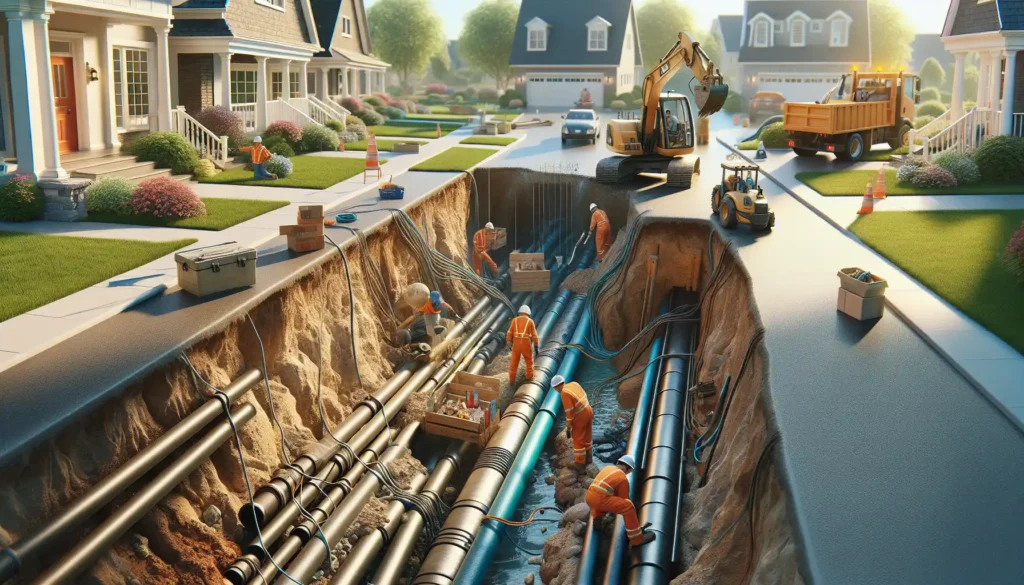
- Old-school digging may still be necessary if your line has multiple collapses or complex layouts.
- Although more disruptive, it sets you up with brand new piping.
- Partial pipe lining
- If only a portion of your line is damaged, consider how much does it cost to line a sewer pipe?. This localized fix can save you money and yard space.
Quick recap and next step
- Most sewer lines serve you well for 50 to 100 years.
- Warning signs include slow drains, strange odors, or wet yard patches.
- To extend your sewer line’s life, focus on regular inspections, root maintenance, and proper waste disposal.
- If you need a replacement, factor in costs, timing, and insurance questions.
Choose one proactive step to tackle this week, like scheduling a camera inspection or adding routine root treatments to your home checklist. By staying alert and handling small issues early, you’ll avoid costly surprises and keep your plumbing system running smoothly for years to come.