Septic System Troubleshooting in Evesham, NJ - Fast Diagnosis & Expert Drainage Solutions

5.0
& Yelp Reviews

Book A Free Estimate
Submit your information below.

Our Reviews

Why South Jersey Trusts The Sewer Kings


Book A Free Estimate
Submit your information below.
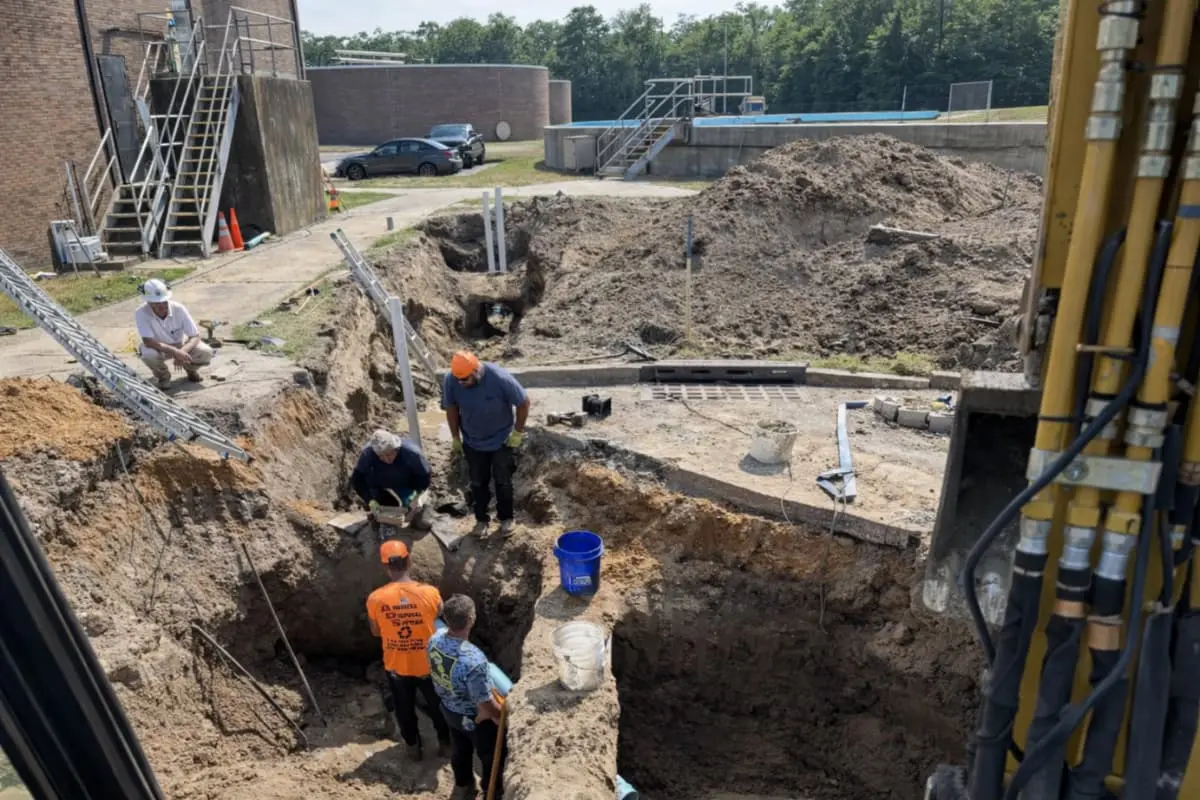
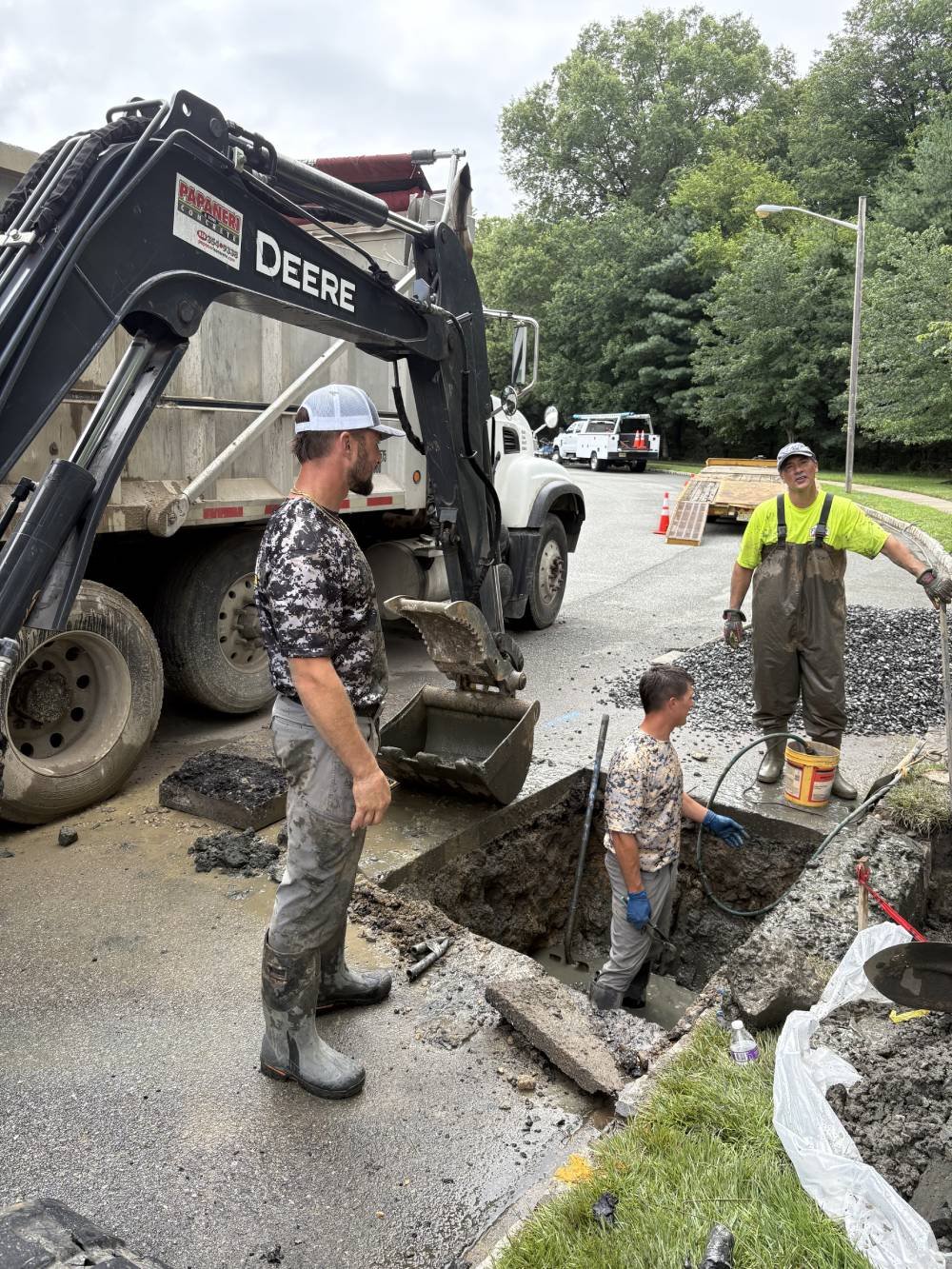
In Evesham, septic problems show up as slow drains, alarm beeps, or wet spots in your yard. This page covers how to troubleshoot common septic issues before they become emergencies. We offer same-day diagnosis and our drainage service experts are ready to help. You get clarity on what’s wrong and we stop small problems from turning into big repairs.
Septic Alarm Signals Point to Tank Levels and Pump Problems
If you hear beeps or see red lights on your septic alarm panel, you need to know whether to reset the alarm yourself or call for pump repair right away. Heavy rain in Burlington County can trigger high-water alarms even when your system works fine.
Check the alarm panel near your tank first. Most panels have a reset button you can press once. If the alarm comes back on within a few hours, your pump may have failed or your tank is too full. Listen for pump noise when you flush a toilet or run water. A working pump hums or clicks when water enters the tank.
Standing water around the tank or drain field means the system can’t handle the load. High sludge levels also trigger alarms because there’s less room for new wastewater. We check pump floats, electrical connections, and tank levels during troubleshooting visits. You get a clear answer about what’s causing the alarm and what needs fixing.
Some alarms signal electrical problems rather than septic failures. Tripped breakers, loose wiring, or damaged float switches can set off the panel. We test the electrical system first to rule out simple fixes. You avoid unnecessary pump replacements when the issue is just a faulty wire or switch. Learn more about our septic alarm installation services.
Slow Drains and Backups Start with Simple Troubleshooting Steps in Evesham Homes
Residents in Marlton Lakes or near Kettle Run notice toilets that drain slowly or sinks that gurgle when septic trouble starts. You want to rule out clogged vents and full tanks before assuming drain field failure.
Try these steps before you call:
- Flush one toilet at a time and watch how fast water drains
- Run the washing machine and listen for gurgling in nearby drains
- Check the date of your last septic pumping
- Look at roof vents to make sure they’re not blocked by leaves or nests
Older septic systems in rural Evesham neighborhoods may need pumping every two to three years instead of every five. If all your drains run slow at once, the tank is likely full. If just one drain backs up, you may have a clog in that line. We locate the problem with camera inspections and pressure tests. You avoid paying for drain field work when a simple pump-out or line cleaning fixes the issue.
Gurgling sounds often point to venting problems or air trapped in the lines. We check vent stacks for blockages and inspect the tank inlet pipe for partial clogs. Tree roots can also invade pipes between the house and tank. Our septic system camera inspection service shows us exactly where roots or buildup are restricting flow.
How do you troubleshoot a septic system in Evesham, NJ?
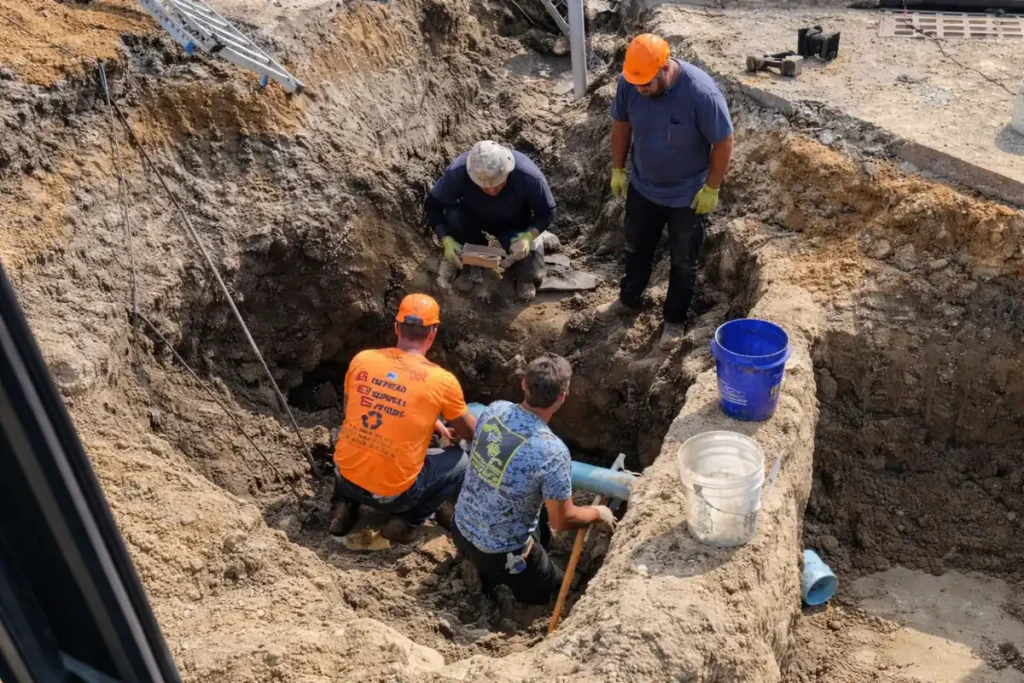
- Check the alarm panel and reset button near your septic tank
- Listen for pump noise when you flush or run water
- Look for standing water or soft ground above the drain field
- Open the tank access lid to check water levels
- Test one drain at a time to locate slow or gurgling lines
- Call a drainage service if the alarm stays on or backups occur
- Document what you find to help the technician diagnose faster
Drain Field Clogs Cause Most Septic System Failures
Homeowners in Evesham see soggy grass, sewage odor, or wet spots where the drain field sits when the system starts failing. Catching biomat buildup or compacted soil early helps you avoid full drain field replacement.
Biomat forms when bacteria and solids clog the soil around drain pipes. This happens faster if you use too much water or skip regular pumping. Clay-heavy South Jersey soil drains slower and requires larger drain fields to handle wastewater properly. Compacted soil from vehicle traffic or construction also blocks water absorption.
Watch for these drain field warning signs:
- Bright green grass or extra growth over the field
- Musty smell near the yard even in dry weather
- Spongy or wet ground when you walk on the area
- Sewage surfacing after heavy water use
We inspect drain fields with soil probes and effluent tests. If biomat buildup is caught early, rest periods or bacterial treatments can restore function. Severe clogs need pipe jetting or field expansion. You get options based on what we find during troubleshooting.
Distribution boxes control how wastewater spreads across the drain field. When these boxes tilt or fill with sediment, one section of the field gets overloaded while others sit dry. We level distribution boxes and clean outlet pipes to balance the flow. This extends the life of your existing drain field without expensive replacement work.
Septic Inspections Catch Problems Before Alarms Sound
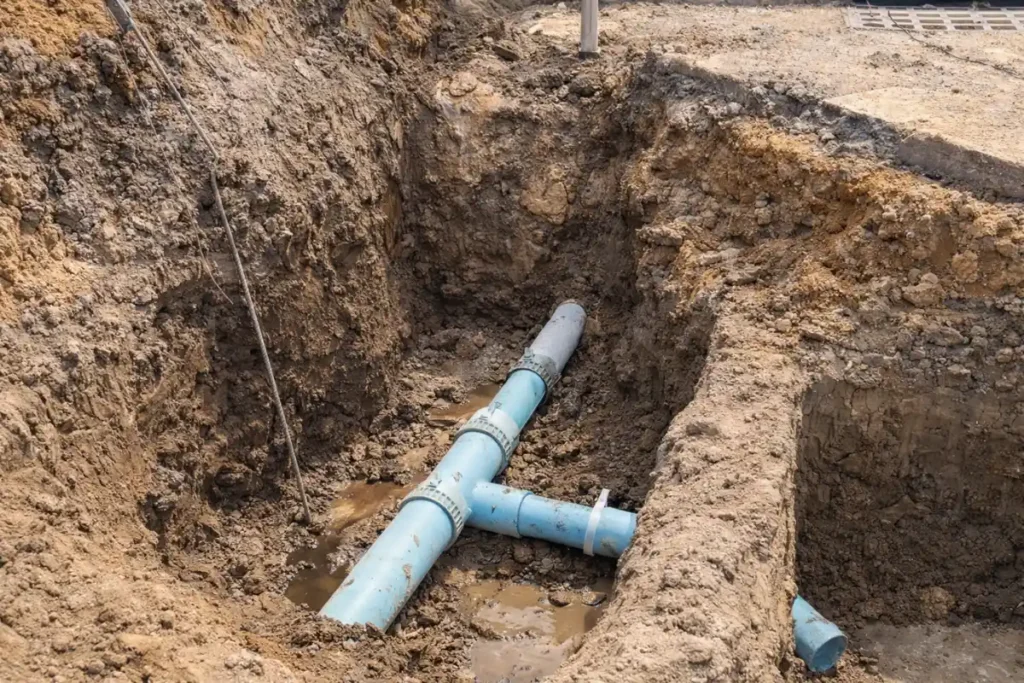
Evesham property owners schedule annual or pre-sale septic checkups to find cracks, worn baffles, or sludge buildup before they cause backups or system failure. Township regulations may require inspection reports for home sales in certain Evesham zones.
During an inspection, we measure sludge and scum layers to see if pumping is due. We check inlet and outlet baffles for cracks or detachment. Tank walls get inspected for leaks or structural damage. Pump floats and controls are tested to confirm they activate at the right water levels.
Inspections also review drain field conditions. We look for surface pooling, odors, and soil saturation. Distribution boxes are opened to check for clogs or uneven flow. Effluent filters get cleaned or replaced if clogged with solids. You receive a written report with photos and recommended repairs.
Regular maintenance keeps your system running and prevents expensive failures. The EPA recommends inspecting septic systems every one to three years and pumping every three to five years depending on household size and usage. Learn more about resolving septic system malfunctions from the Environmental Protection Agency.
Pre-sale inspections protect buyers and sellers. Buyers know what repairs to expect before closing. Sellers can fix problems ahead of time instead of negotiating last-minute price drops. Lenders often require proof of a working septic system before approving mortgages on properties without public sewer access.
We catch worn parts before they fail and prevent small leaks from becoming big problems. Annual inspections cost less than emergency repairs. When we find issues that need attention, our septic tank repair team handles everything from baffle replacement to tank patching. You keep your warranty valid and maintain property value with documented maintenance records.

FAQs
Frequently Asked Questions about
Septic system troubleshooting
Call a licensed drainage service that handles septic pumps and tank inspections. We respond the same day for alarm calls and diagnose the cause on-site.
Yes, saturated soil can raise the water table and trigger high-water alarms temporarily. The alarm should reset once the ground dries and water levels drop.
Full tanks, clogged drain lines, failed pumps, or compacted drain fields are the main causes. We isolate the problem with flow tests and tank inspections.
Not always, but high sludge levels can hide other problems during inspection. We measure sludge depth first and recommend pumping if levels are too high.
A drainage service technician checks pump function, baffles, and effluent levels to tell the difference. We explain what we find and give you repair options with pricing.