


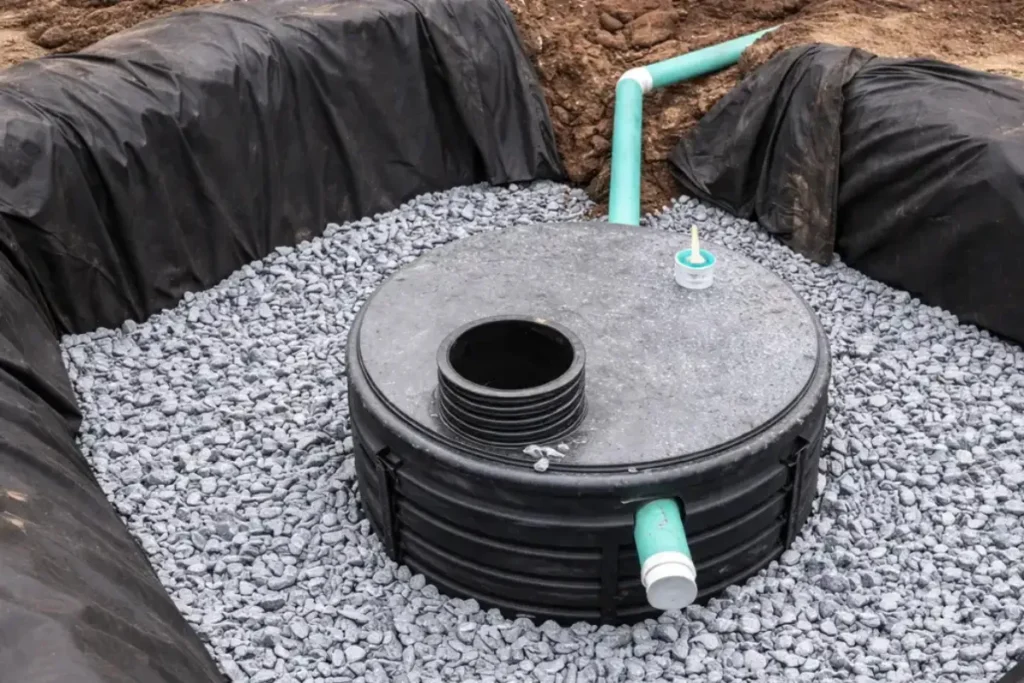
New Jersey has over 400,000 homes on septic systems, yet many homeowners have never seen what happens during a professional service appointment. When a septic truck pulls into your driveway, what should the technician be doing, and how can you tell if they’re doing it right?
Understanding how septic system service is performed in New Jersey homes helps you recognize quality work, prepare your property, and catch problems before they turn into expensive emergencies. This guide walks through the complete septic service process so you know what to expect and can make sure your system gets the maintenance it needs.
What are the steps of professional septic system service in New Jersey?
Professional septic system service in New Jersey follows seven steps:
- Locate and uncover access points - Technician finds tank lids and removes soil or vegetation
- Initial inspection - Check for structural damage, cracks, or ground saturation around tank
- Measure sludge and scum layers - Determine if pumping is needed (NJ requires pumping when combined layers exceed one-third of tank depth)
- Complete pump-out - Remove all solids and liquids from tank compartments
- Interior inspection - Examine baffles, inlet and outlet pipes, and tank walls with flashlight
- Filter maintenance - Clean or replace effluent filter if present
- Document and advise - Record measurements, note any concerns, recommend follow-up if needed
Quality providers complete all seven steps at every service visit, not just pump and leave. Ready to schedule thorough septic system service in Evesham? Book your appointment with certified NJ technicians.
Pre-Service Preparation: What Homeowners Need to Do Before the Truck Arrives
A smooth septic service appointment starts with proper preparation. The service truck needs a direct path to your tank location. Most trucks require at least 10 feet of clearance width and 14 feet of overhead clearance for tree branches or power lines.
If you know where your tank and distribution box are located, mark them with flags or stakes. Having previous service records ready helps technicians compare measurements and track your system’s condition over time.
Minimize water use the morning of service. Avoid running dishwashers, washing machines, or taking long showers right before your appointment. Let anyone home know the service is happening, as toilets and drains should not be used during the actual pumping process.
In our years servicing Burlington County homes, the most common delay is truck access. A narrow driveway blocked by cars or low-hanging branches can turn a one-hour appointment into a two-hour job.
The Complete Septic Service Process: Step-by-Step Breakdown
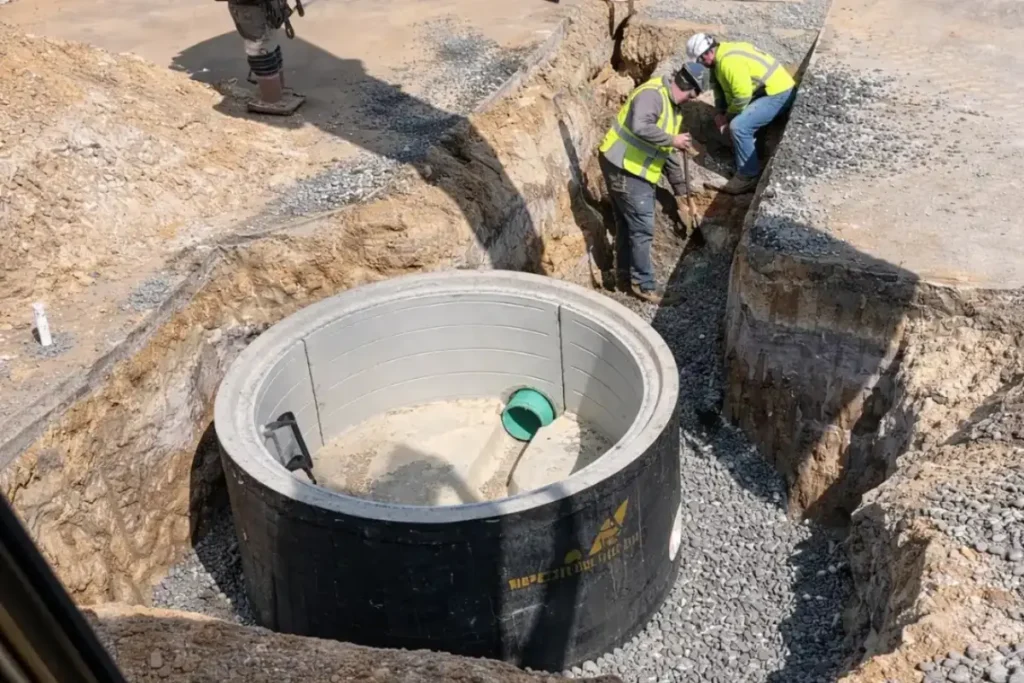
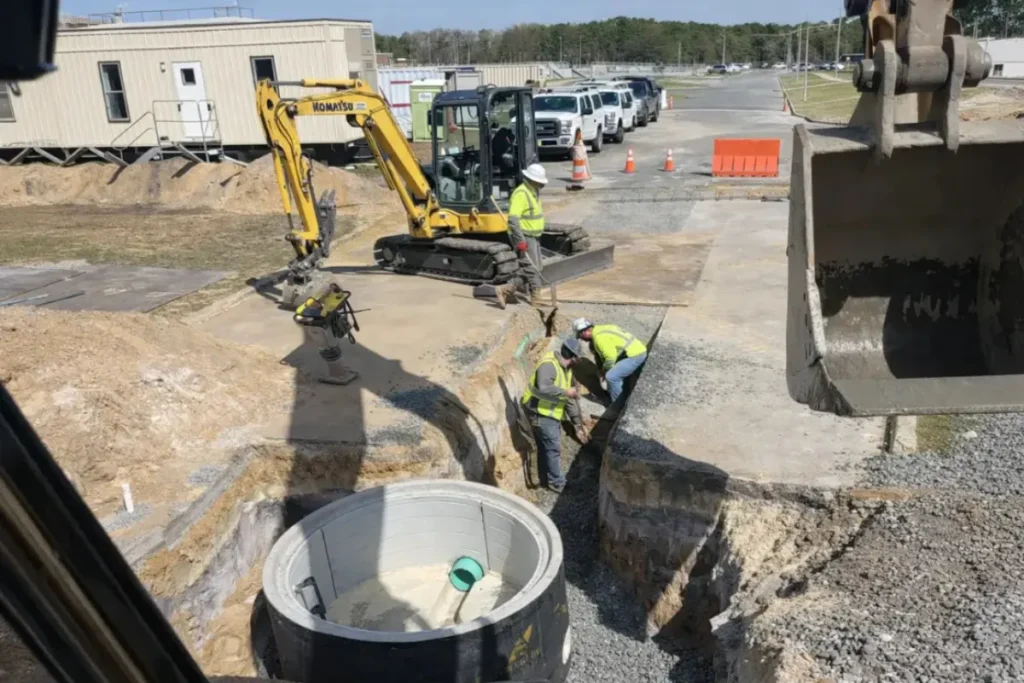
Professional septic service follows a specific sequence. Each step serves a purpose, and skipping any of them means incomplete maintenance.
Technicians use probe rods or previous service records to find your tank. Most residential tanks sit 12 to 24 inches below ground. Before opening the tank, technicians check the surrounding area for soggy ground, settling soil, or unusual vegetation growth. These signs point to leaks or drain field problems.
Technicians lower a measuring stick into each compartment to determine how much solid waste has accumulated. New Jersey regulations require pumping when the combined sludge and scum layers reach one-third of the tank’s liquid depth.
The technician inserts a large vacuum hose and removes all liquids and solids from both compartments. Quality service means pumping until the tank is completely empty. This process typically takes 20 to 40 minutes depending on tank size.
With the tank empty, technicians use a flashlight to examine the inside. They check inlet and outlet baffles for damage, look at tank walls for cracks, and search for root intrusion through connection points. If your system has an outlet filter, the technician removes it, rinses accumulated solids, and reinstalls it.
The technician records all measurements, notes any problems found, and recommends your next service date. You should receive this information in writing before the truck leaves.
New Jersey-Specific Requirements Every Service Must Include
New Jersey septic regulations go beyond basic pumping. The New Jersey Department of Environmental Protection requires septic systems to be maintained according to the New Jersey Administrative Code Title 7, Chapter 9A. These regulations specify when pumping is required, what inspections must happen, and how service providers document their work.
When combined sludge and scum layers reach one-third of your tank’s liquid depth, pumping is required by law. Technicians must measure these levels, not guess. During service, technicians must check inlet and outlet baffles, examine structural integrity of the tank, and verify the drain field shows no signs of failure.
Both homeowners and service providers need to keep documentation. You should receive a written report after every service that includes the date, measurements taken, work performed, and recommendations. Some New Jersey townships require service documentation during real estate transactions.
When servicing homes in Evesham Township, we verify both state compliance and local health department rules to keep homeowners fully covered.
How the Septic Service Process Addresses Common Problems
The service process does more than just pump waste. A thorough appointment identifies the root causes of problems homeowners notice every day.
If your sinks or toilets drain slowly, the service technician checks the inlet baffle to see if it’s clogged or damaged, inspects the distribution box for blockages, and looks at scum layer thickness that might restrict flow.
Septic smells inside or outside your home point to specific failures. During service, technicians check vent pipes to make sure gases escape properly and look for cracks in the tank that release odors.
Standing water or unusually green grass above your drain field means something is wrong. Technicians look for signs during the service appointment: extremely high liquid levels in the tank, outlet baffle damage that sends solids into the field, or ground saturation near the tank.
Sometimes pumping and filter cleaning solve your problem completely. Other times, the interior inspection reveals damaged baffles, cracked tank walls, or failed outlet pipes. Component inspection during routine service spots issues early. A baffle showing minor deterioration gets replaced before it collapses.
What Happens After the Truck Leaves: Documentation and Follow-Up
Quality providers give you written records that include the service date, sludge and scum measurements from each compartment, liquid depth at time of service, condition of baffles and other components, any problems or concerns noted, and recommended next service date.
Some providers take pictures of the tank interior, damaged components, or problem areas. Photos help you understand recommendations and provide proof of system condition for insurance claims or property sales.
The technician uses your measurements to determine when you need service again. A four-person household that filled one-third of the tank in two years needs pumping every two years. Proper calculation prevents both too-frequent service that wastes money and delayed service that risks backups.
Service documentation matters when you sell your home, apply for permits, or troubleshoot recurring problems. Some New Jersey townships require service records during real estate transactions.
Choosing a Septic Service Provider in New Jersey: What Quality Service Looks Like
New Jersey requires septic service providers to hold proper licenses and dispose of waste at permitted facilities. Ask any provider about their licensing status, insurance coverage, and disposal site permits.
Be cautious if they quote service without asking about tank size, refuse to provide written estimates or service reports, skip measurements and pump on a fixed schedule regardless of need, or rush through appointments in 30 minutes or less.
Ask specific questions before hiring: Do you measure sludge and scum layers before pumping? Will you inspect baffles and other components? Do you clean or replace effluent filters? What documentation will I receive after service?
Lower prices often mean incomplete service. A quote should cover locating and uncovering the tank, complete pumping of all compartments, interior inspection with empty tank, filter service, documentation, and site restoration.
One homeowner came to us after years of pump-only service from a discount provider. During our first complete inspection, we found both baffles had collapsed and solids were flowing directly into the drain field. The repair cost $4,000. Annual inspections would have caught the baffle deterioration when replacement cost $800.
Frequently Asked Questions About Septic Service in New Jersey
Most New Jersey homes need septic service every 3 to 5 years. The exact interval depends on household size, tank capacity, and water usage. Your service technician calculates the right schedule based on actual sludge accumulation rates.
Complete service includes seven steps: locating and uncovering the tank, initial inspection for damage, measuring sludge and scum layers, pumping all compartments empty, interior inspection of baffles and walls, filter cleaning or replacement, and documentation with recommendations.
Professional septic service in New Jersey typically costs $300 to $600 depending on tank size, access difficulty, and property location. Prices under $250 often mean incomplete service that skips inspections and documentation.
Signs you need service include slow drains throughout the house, gurgling sounds in pipes, sewage odors inside or outside, standing water or soggy spots above the drain field, and unusually green grass over the septic area.
Quality providers measure sludge levels before pumping, take 60 to 90 minutes for the complete appointment, inspect all components with the tank empty, clean or replace your filter, and provide written documentation with measurements.
Conclusion
Quality septic service in New Jersey follows all seven steps, meets state requirements, and provides clear documentation. Understanding what happens during a professional service appointment helps you recognize thorough work and choose providers who do the job right.
Ready for septic system service that covers all the steps? Call our Evesham team today at https://thesewerkings.com/contact-us/
Need emergency service? We offer 24/7 repair available in Burlington County at https://thesewerkings.com/contact-us/