


You may think every home automatically comes with a sewer line, but the reality is more nuanced. Some properties rely on municipal systems, while others turn to septic tanks or off-grid toilets. By understanding how these systems work, you can better manage your own household’s wastewater needs and steer clear of unnecessary stress or costly repairs. Proper sewer line maintenance is essential regardless of which system you have.
Below, you’ll discover the essentials of sewer lines, how to identify your home’s setup, and what to do if you suspect an issue. Let’s clear up the confusion so you feel prepared and confident about your property’s plumbing.
Get to know sewer lines
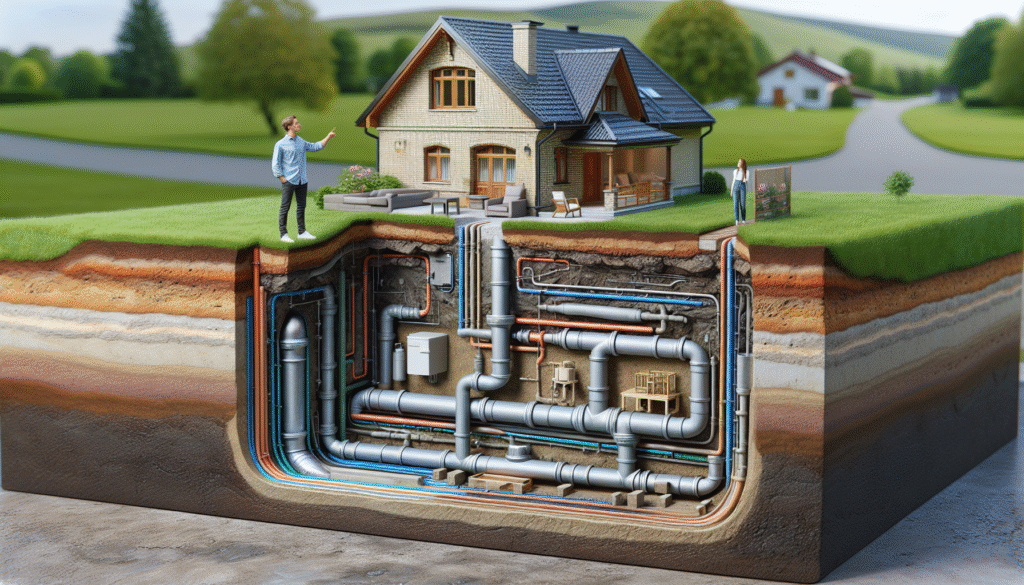
A sewer line is the main pipeline that carries wastewater from your home’s drains and toilets to a municipal system or a septic tank. This lateral pipe is usually located underground on your property. You are responsible for keeping it clear of blockages and damage, even though it eventually connects to a public sewer main in many urban areas. According to U.S. News Real Estate, sewer lines can develop hidden issues over time, and you may not notice a problem until you see slow drains or suspicious odors.
Homes in busier regions tend to be connected to centralized sewer systems. That means you pay local taxes or fees that help fund the maintenance of public pipes and treatment plants. This network is convenient, but it also means you might share responsibility for certain repairs, especially in older neighborhoods where lines haven’t been updated in decades.
Do all homes have sewer lines?
You might ask yourself, “Does every home have a sewer line?” While many do, especially in populated areas, not all homes are connected to city infrastructure. Properties in rural regions often rely on septic systems or off-grid solutions. In fact, some building codes in the Dallas-Fort Worth area, for example, only required lawn cleanouts after 2012. Older homes may lack these features or any sewer line cleanout at all. (AugerPros)
Additionally, if you live in a remote location without municipal sewer service, your property might never have been linked to a public main. Instead, you could have a well-maintained septic system or an eco-friendly alternative, such as a composting toilet. It all depends on local regulations, geography, and when the home was built.
When off-grid toilets are used
Off-grid toilets, such as composting or bio-toilets, do not require a connection to municipal water or electricity. These units treat waste on-site, turning it into compost or fertilizer, and they’re perfect for remote cabins, boats, or eco lodges. According to HomeBiogas, an off-grid toilet can be a solid option if your house is not near a sewer line or if you want a sustainable setup.
You typically see these systems in areas that lack sewer infrastructure. Although many people imagine them only in faraway retreats, off-grid solutions can also appear in suburban settings where hooking up to a city sewer is cost-prohibitive or simply unavailable. This route may seem unconventional, but it can offer a stable and environmentally friendly alternative.
Check for septic systems
Septic systems are more common than many homeowners realize. If you are located in a rural area, there is a good chance that your water drains into a septic tank buried on your property. As Premier Tech explains, a septic system filters and breaks down waste on-site, so you never have to tie into a public sewer.
Over time, these tanks require pumping to remove buildup. Watch for soggy ground or odors around your yard, which could hint at septic drain field trouble. If you suspect an issue, call a trained professional to diagnose and service your tank. Though upkeep can be manageable, failure to maintain your system could lead to backups and expensive repairs.
Locate your home’s sewer line
If your property is on a municipal network, you should know where your lateral sewer line is positioned. Sometimes, you’ll spot a cleanout, a capped pipe that sits above ground, for easy inspection. Yet many older homes do not have visible cleanouts, meaning you might need to access the line through a vent stack on your roof. (AugerPros)
If you’re trying to pinpoint your sewer line, check out:
You may also want to learn whether neighborhood drains connect to yours or remain separate. In that case, see How do I find out if my drain is shared?. Remember that local building codes often shape where pipes are laid, so each home is a little different.
Below is a quick overview of common wastewater systems:
| System type | Key feature | Common setting |
|---|---|---|
| Municipal sewer | Carries wastewater to city network | Urban or suburban areas |
| Septic system | On-site tank and drain field | Rural locations |
| Off-grid toilet | Self-contained treatment | Remote or eco-oriented properties |
Address common sewer line issues
Over time, your sewer line can crack, clog, or experience root intrusion. Recurring backups, persistent odors, or damp patches in your yard are often warning signs that the line needs attention. According to The Sewer Kings, older clay or Orangeburg lines are especially prone to collapse from invasive roots.
Fixing localized leaks might be cheaper than replacing the entire length of pipe, but repeated or severe issues could call for more extensive work. Professional sewer line repair options include trenchless methods for certain fixes, though a full replacement can cost anywhere from a few thousand dollars to well over $10,000, depending on labor and excavation needs. Scheduling a camera inspection is one of the best ways to confirm the exact cause of your plumbing woes. You can learn more by reading How can I find out where my sewer line runs?.
If you notice frequent clogs, foul smells, or multiple slow drains, do not wait for the problem to escalate. A professional plumber can diagnose whether your line is compromised below ground. Catching the issue early often saves you money and prevents serious damage to your home’s foundation or yard.
Putting it all together
In many neighborhoods, the answer to “Does every home have a sewer line?” is yes, but with some major exceptions. Homes in remote, rural, or older areas might connect to a septic system or use off-grid toilets that operate independently of municipal infrastructure. No matter which category you fall into, getting familiar with your property’s wastewater setup helps you avoid unpleasant surprises.
Look for clues like visible cleanouts, local codes, or a marked septic system. If you are ever unsure, call on a trusted plumber or schedule a camera inspection to get a clear picture of what’s happening under your lawn. By staying informed, you’ll keep tabs on potential issues and ensure your home’s drainage is in good shape for years to come.