
Planning to sell your home in New Jersey? Your septic system could make or break the deal. More than one in four households across the United States relies on septic systems for wastewater treatment, and thousands of New Jersey homeowners find themselves navigating complex compliance rules when preparing for a sale or avoiding violations.
This guide breaks down New Jersey septic system rules every homeowner should know. You’ll learn about required permits, minimum setback distances from wells and property lines, inspection requirements for home sales, and daily maintenance practices that keep you compliant.
Understanding these regulations now saves headaches and money later. Whether you’re preparing to list your property, planning a home addition, or simply want to avoid fines, knowing your responsibilities protects your investment and your family’s health.
What regulations do New Jersey homeowners need to follow for septic systems?
New Jersey homeowners must follow these septic system regulations:
- Permitting: New installations and major repairs require permits from local health departments
- Setback distances: Minimum 25 feet from property lines, 50 feet from wells, 100 feet from water bodies (per NJAC 7:9A)
- Inspection requirements: Many municipalities require inspection when selling a home (timing varies by location)
- Maintenance: Systems must be pumped every 3-5 years; keep records of all service
- Prohibited practices: No dumping of grease, chemicals, or non-biodegradable items into the system
Compliance protects groundwater quality and prevents costly violations. Local ordinances may add stricter requirements beyond state standards.
Need a compliance inspection before selling? See septic system services in Evesham
New Jersey Septic System Permitting Requirements
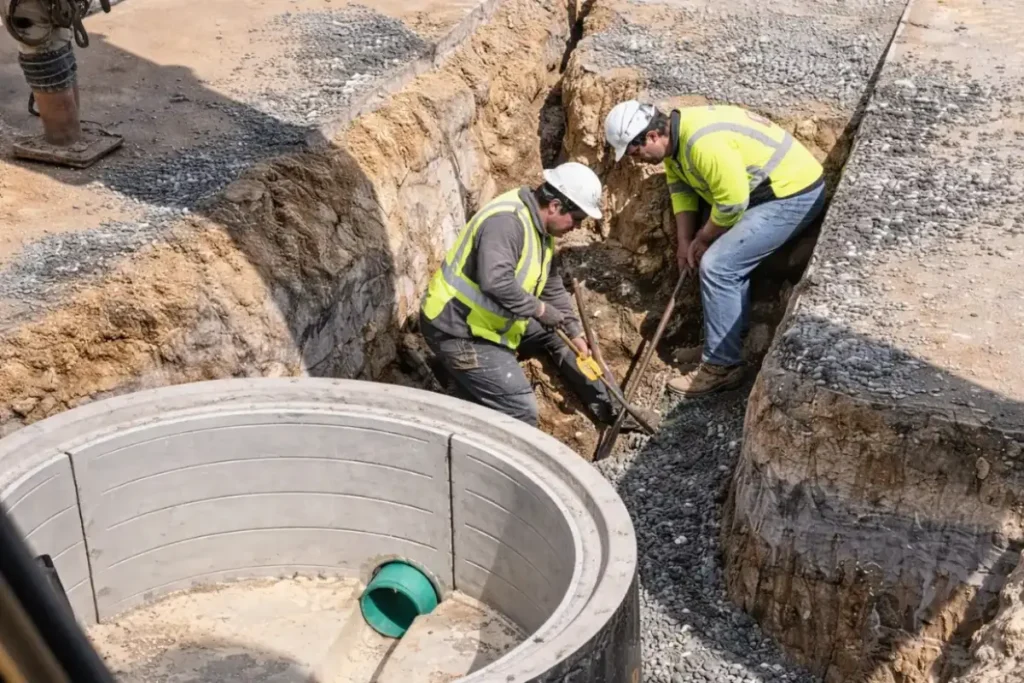
All new septic system installations in New Jersey require permits from your local health department. The same applies to major repairs involving tank replacement, leach field modifications, or system capacity changes.
The permit process starts with a site evaluation. A licensed professional engineer or certified soil scientist conducts percolation tests to measure how quickly water drains through your soil. These test results determine what type of system your property can support.
Once testing is complete, an engineer designs your system according to NJAC 7:9A standards. Your health department reviews this design to confirm it meets state and local requirements. Typical permit processing takes 4-8 weeks in most New Jersey counties.
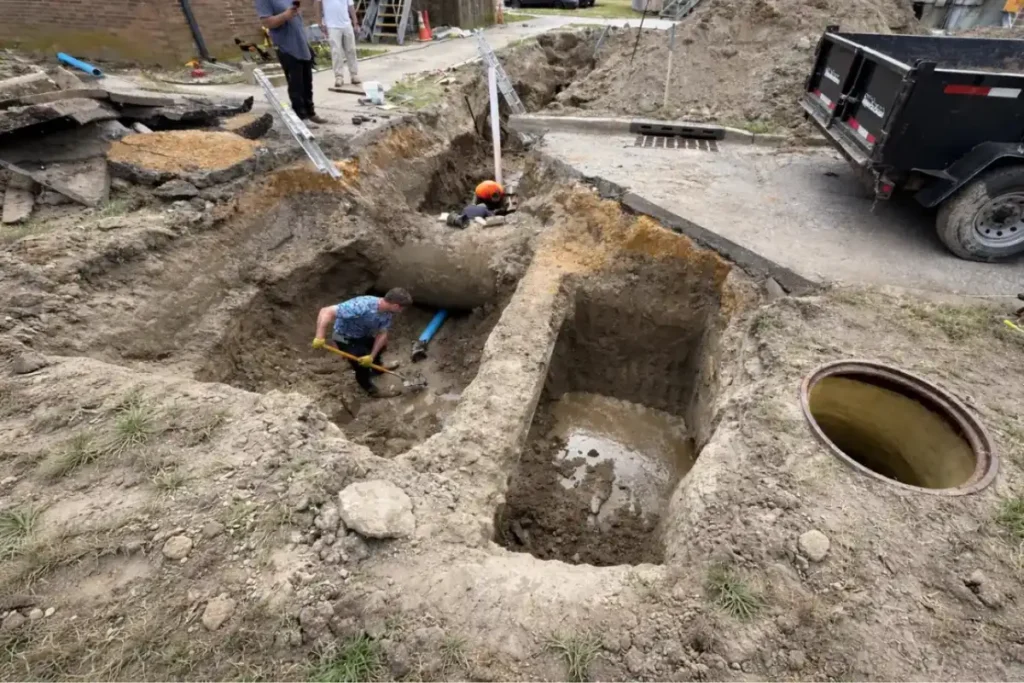
Penalties for unpermitted work are serious. Installing or altering a septic system without approval can result in fines, mandatory removal of the system, and complications when selling your property.
Required Setback Distances for NJ Septic Systems
New Jersey regulations establish minimum distances between septic system components and other features on your property. These setback requirements prevent contamination and protect water sources.
Minimum Required Setbacks (NJAC 7:9A-4.3):
Feature | Minimum Distance |
Property lines | 25 feet |
Potable water wells | 50 feet |
Streams, ponds, wetlands | 100 feet |
House foundation | 10 feet |
A septic system placed too close to a well can contaminate your drinking water with bacteria and nitrates. Systems near property lines create liability issues with neighbors. Insufficient distance from water bodies threatens streams and lakes with nutrient pollution.
Your property must accommodate all required setbacks before you can obtain a permit. If your lot is too small or oddly shaped, you may need an alternative system design or a variance from local officials.
Septic Inspection Requirements When Selling a Home in New Jersey
New Jersey has no statewide law requiring septic inspections during home sales. However, many municipalities do require them, and the New Jersey Department of Environmental Protection strongly recommends inspections for all property transfers.
Common municipal requirements call for inspection within 12 months of closing. Burlington County townships like Evesham, Medford, and Mount Laurel often enforce this standard.
What inspectors evaluate:
- Septic tank condition (cracks, leaks, structural integrity)
- Sludge and scum accumulation levels
- Leach field function and signs of failure
- Compliance with current setback distances
- Distribution boxes and piping condition
Professional septic inspections typically cost $400-$800 in South Jersey. The inspector pumps the tank, uses video cameras to check underground pipes, and opens distribution boxes for visual assessment.
A failed inspection doesn’t automatically kill your sale. Many buyers negotiate repairs or ask for closing credits to cover replacement costs. However, some municipalities require repairs before issuing occupancy permits, so understand your local rules early.
Selling your home in Burlington County? Schedule a pre-listing septic inspection to avoid surprises during negotiations.
Septic System Maintenance Rules and Best Practices
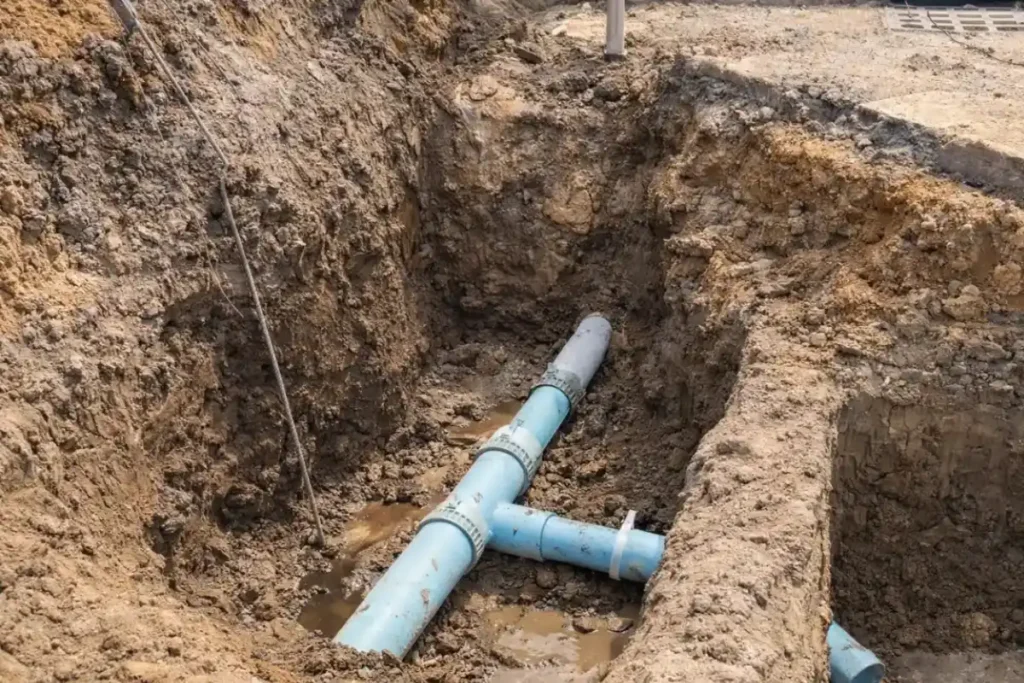
Regular maintenance keeps your system compliant and prevents expensive emergency repairs. New Jersey recommends pumping every 3-5 years depending on household size, water usage, and tank capacity.
Keep detailed maintenance records. Save all pumping receipts, inspection reports, and repair invoices. These documents prove compliance during home sales and help track your system’s service history.
Do’s and Don’ts:
Do:
- Pump your tank every 3-5 years
- Conserve water to reduce system load
- Plant only grass over your leach field
- Direct downspouts away from the system
Don’t:
- Flush grease, oils, or "flushable" wipes
- Pour household chemicals down drains
- Grind excessive food waste
- Park vehicles over system components
Warning signs of system failure: Slow drains, sewage odors near the tank or leach field, soggy spots in your yard, unusually green grass over the leach field, or sewage backup in toilets.
In our years servicing Evesham-area homes, we’ve found that most system failures trace back to skipped pumping schedules and garbage disposal overuse. Homeowners who pump on time rarely need emergency repairs. The few hundred dollars spent on regular maintenance prevents the $15,000-$35,000 cost of leach field replacement.
When to Call a Professional for Septic Compliance
Pre-sale inspections prevent surprises during real estate negotiations. Having your system checked before listing gives you time to address problems on your schedule rather than under buyer pressure.
Routine maintenance by licensed professionals extends your system’s life. Technicians inspect tank baffles, check for cracks, measure sludge accumulation, and spot developing issues before they escalate.
Call a professional if you’re unsure about setback compliance. Systems installed before current regulations may not meet today’s standards. This becomes relevant during home additions, property line disputes, or when installing new wells.
Local expertise matters because county-specific rules vary across New Jersey. Burlington County, Camden County, and Gloucester County health departments interpret NJAC 7:9A differently in some areas. Professionals familiar with your municipality navigate these local requirements efficiently.
Get peace of mind with a professional septic compliance check. Call The Sewer Kings in Evesham or request service online.
Frequently Asked Questions About NJ Septic System Rules
You need a permit for major repairs involving tank replacement, leach field modifications, or capacity changes. Minor repairs like pump replacements may not require permits, but rules vary by municipality. Contact your local health department before starting any repair work.
New Jersey recommends pumping every 3-5 years for most residential systems. Larger households, homes with garbage disposals, or smaller tanks need more frequent pumping. Keep all service records to document compliance.
Yes, you can sell a house with a failed septic system. You must disclose the failure to buyers. Most require either repairs before closing, a price reduction, or funds held in escrow. Some municipalities require repairs before issuing certificates of occupancy.
Systems installed before current regulations are typically grandfathered. However, major repairs, system expansions, or significant home additions may require bringing the system into compliance with current setback standards.
No statewide law requires septic inspections for home sales. However, many municipalities mandate inspections, and the NJ Department of Environmental Protection strongly recommends them. Burlington County townships including Evesham commonly require inspections within 12 months of closing.