
New Jersey regulations require septic inspections every three years for certain systems. Industry reports show over 40% of inspections reveal maintenance issues that need immediate attention. If you’re buying a home, refinancing, or simply due for routine maintenance, knowing what happens during the inspection helps you prepare and avoid surprises.
This guide walks you through exactly how septic system inspections are performed in New Jersey, from the initial visual assessment to the final report, so you know what inspectors look for and what your results mean.
How is a septic inspection performed in NJ?
A New Jersey septic inspection follows a standardized process. First, the inspector locates and uncovers all access points including tank lids and the distribution box. Next, they pump the tank to measure sludge and scum layers while checking for structural damage. The inspector then examines the drain field for signs of saturation, odors, or surfacing effluent. They test mechanical components like pumps, floats, and alarms, and measure the distance between the outlet baffle and sludge layer. Finally, they perform a hydraulic load test by running water fixtures to observe how the system handles flow. The entire process takes 2-4 hours and results in a detailed compliance report.
Need a certified inspection for your Evesham property? Contact us for professional septic system service.
Pre-Inspection Requirements and Preparation
Before your inspector arrives, you’ll need to complete several preparation steps. Start by locating your septic tank access lids. Many older systems in Burlington County have buried lids that need uncovering before the inspection begins.
Gather any records you have about your system. This includes the installation date, past pumping receipts, and maintenance logs. Clear a path to your drain field and tank location. The inspector needs easy access to walk the property and bring equipment to the tank area.
Schedule your inspection during dry weather when possible. Heavy rain can affect drain field assessments and make it harder to spot certain problems. Most inspections in the Evesham area cost between $300 and $500, depending on system size and whether pumping is included.
Step 1: Visual Assessment and System Location
The inspection begins with a thorough walk of your property. Your inspector examines the yard for warning signs before opening any tanks.
We look for wet spots, standing water, or unusually lush grass over the drain field area. These signs often point to effluent surfacing or drain field saturation. Strong sewage odors near the tank or drain field also raise red flags.
The inspector maps out your entire system layout. This includes the septic tank location, distribution box, and drain field boundaries. In our Evesham service area, we frequently encounter systems from the 1970s and 1980s that lack proper documentation.
Visual red flags inspectors look for:
- Sewage odors near tank or drain field
- Spongy or saturated ground over drain field
- Bright green grass patches in one area
- Slow draining fixtures inside the home
- Gurgling sounds from drains or toilets
Step 2: Tank Excavation and Pumping
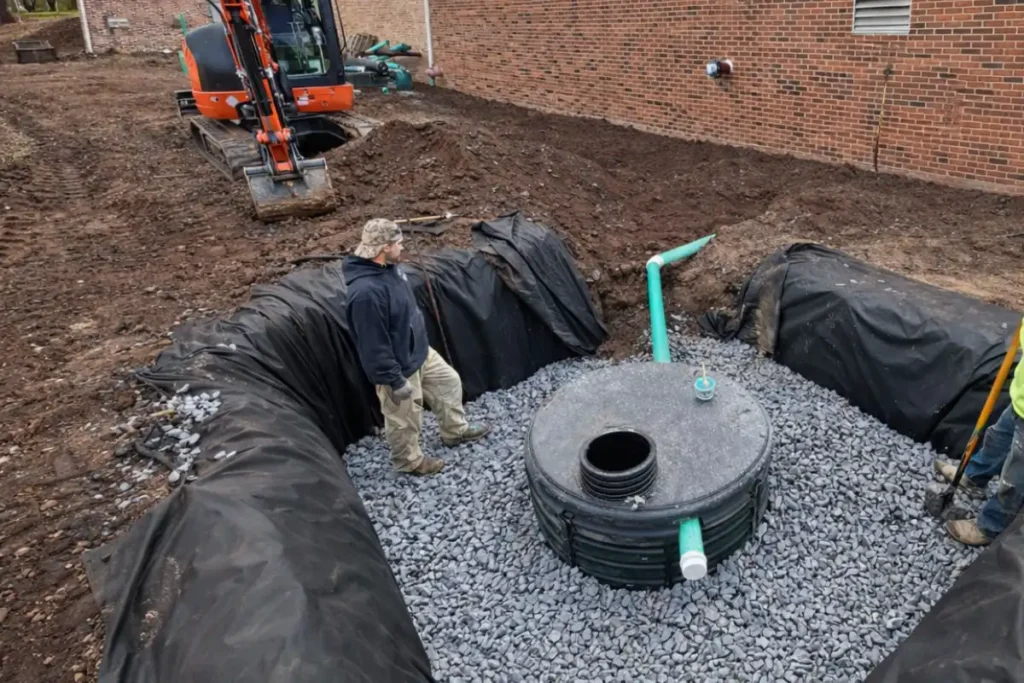
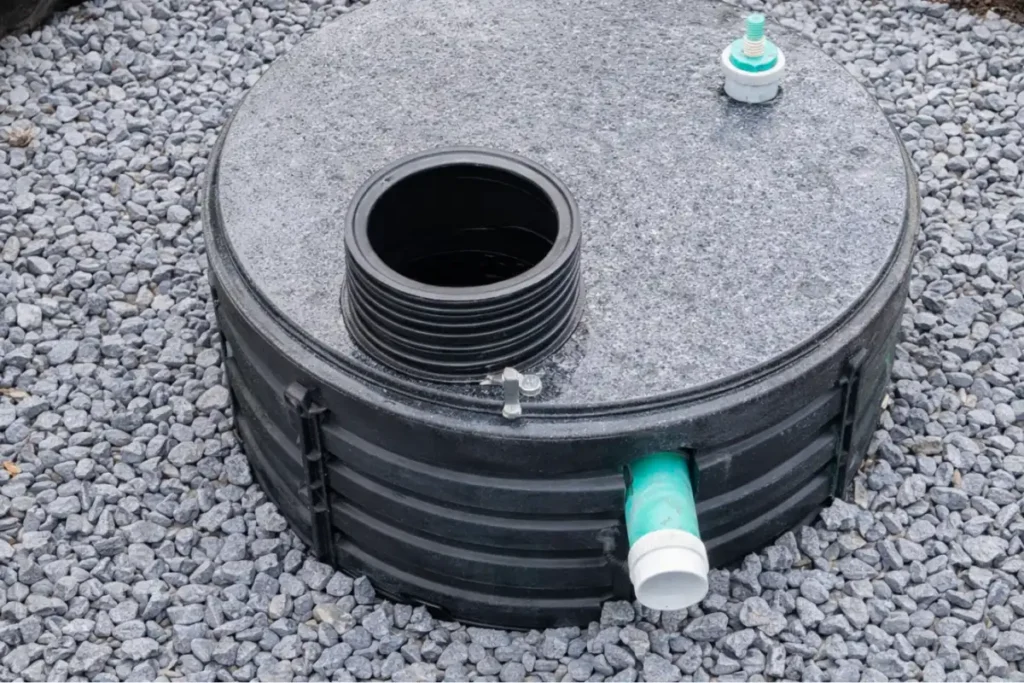
Once the inspector completes the exterior assessment, they move to opening and evaluating the tank itself. The inspector opens all access points on your tank, including the main access lid, inlet opening, and outlet opening.
Using a calibrated measuring tool, the inspector checks sludge depth at the tank bottom and scum layer thickness at the top. Pumping the tank contents allows the inspector to see inside. They examine inlet and outlet baffles or tees for damage, deterioration, or missing pieces. Broken baffles let solid waste escape into your drain field, causing premature failure.
The inspector checks tank walls for cracks, leaks, or corrosion. NJ regulations require pumping when the sludge layer reaches within 12 inches of the outlet or when the scum layer sits within 3 inches of the outlet.
Step 3: Structural and Mechanical Component Evaluation
With the tank inspection complete, attention shifts to structural integrity and any mechanical parts your system uses. Concrete tanks get inspected for cracks, spalling, or signs of structural compromise.
If your system includes a septic pump, the inspector tests it during this phase. They check float switches, verify the pump runs properly, and test high-water alarms. Effluent filters require examination and often need cleaning during inspection. A clogged filter slows flow and can cause backups in your home.
All piping connections get checked for leaks or separation. We document component manufacturers and model numbers for future service reference.
Step 4: Drain Field and Soil Absorption Assessment
After all physical components pass inspection, the inspector evaluates your drain field’s ability to absorb and treat wastewater. The inspector probes the soil around distribution lines to check for saturation or compaction.
Effluent surfacing is one of the most serious problems inspectors find. If sewage appears on the ground surface, your drain field has failed. This creates health hazards and requires immediate repairs.
The distribution box gets opened and examined during this step. This box splits wastewater flow evenly between drain field lines. The inspector performs a hydraulic load test by running multiple fixtures simultaneously. According to NJ testing protocols, this simulates normal household water usage.
Found an issue during your inspection? Contact us for emergency repairs.
Step 5: Flow Testing and Final System Evaluation
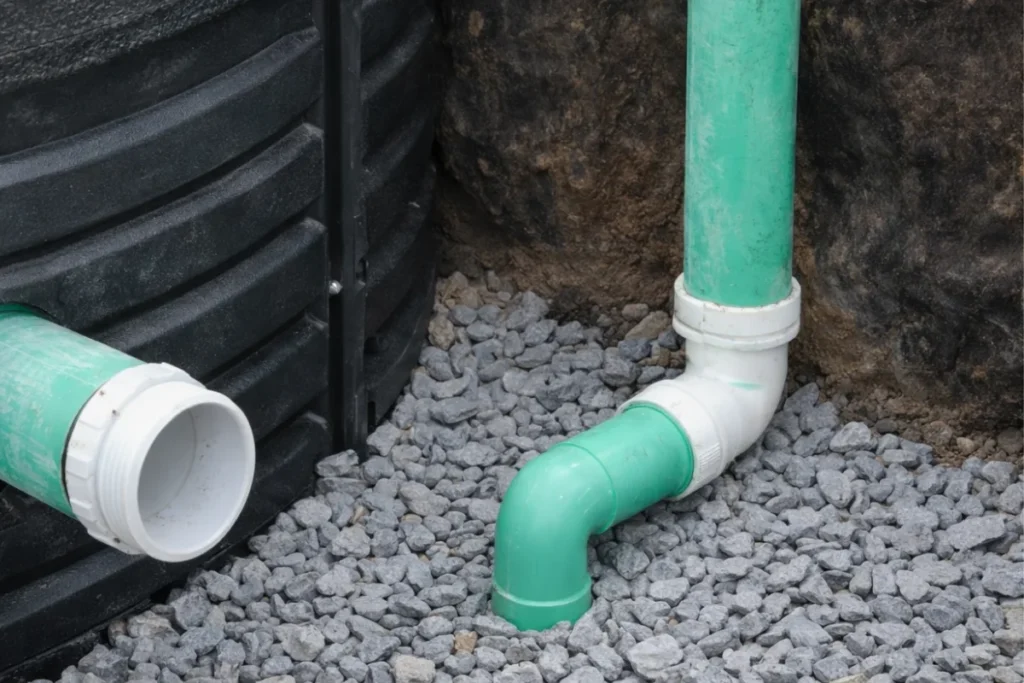
The final test simulates real-world usage patterns to confirm the system handles your household’s demands. The inspector runs water from multiple fixtures at once, including sinks, toilets, showers, and washing machines.
Water should drain quickly from fixtures without gurgling, bubbling, or backing up. The inspector monitors how quickly the tank refills after pumping. NJ regulations require at least 12 inches of clearance between the outlet baffle and the sludge layer.
Understanding Your Inspection Report and Next Steps
Your inspection results fall into three categories: pass, conditional approval, or fail.
A passing inspection means your system meets all NJ requirements and functions properly. You’ll receive a compliance certificate valid for three years.
Conditional approval happens when minor issues need fixing but don’t require immediate system replacement. Examples include a damaged baffle, missing riser lid, or clogged filter.
Failed inspections indicate serious problems that pose health risks or environmental hazards. Common failure reasons include surfacing effluent, structural tank damage, or complete drain field saturation.
Real estate transactions in New Jersey often require septic inspections before closing. Buyers use inspection results to negotiate repairs or price adjustments.
Regular maintenance prevents most inspection failures. Learn more about our septic system service in Burlington County.
Frequently Asked Questions
A complete septic inspection takes 2 to 4 hours on average. The time depends on your system size, whether pumping is needed, and how accessible your tank and drain field are.
You don’t need to be home during the inspection, but it helps. Being present lets you ask questions and learn about your system’s condition directly from the inspector.
Most septic inspections in the Evesham and Burlington County area cost between $300 and $500. The price varies based on system size, age, and whether pumping is included.
If your system fails inspection, you’ll receive a detailed report explaining the problems found. You’ll need to make repairs before receiving a compliance certificate.
NJ regulations require inspections every three years for certain system types. You should also inspect before selling your home or if you notice drainage problems.