

What Is Drain Relining and How Much Does It Cost?
The Short Answer on Drain Relining
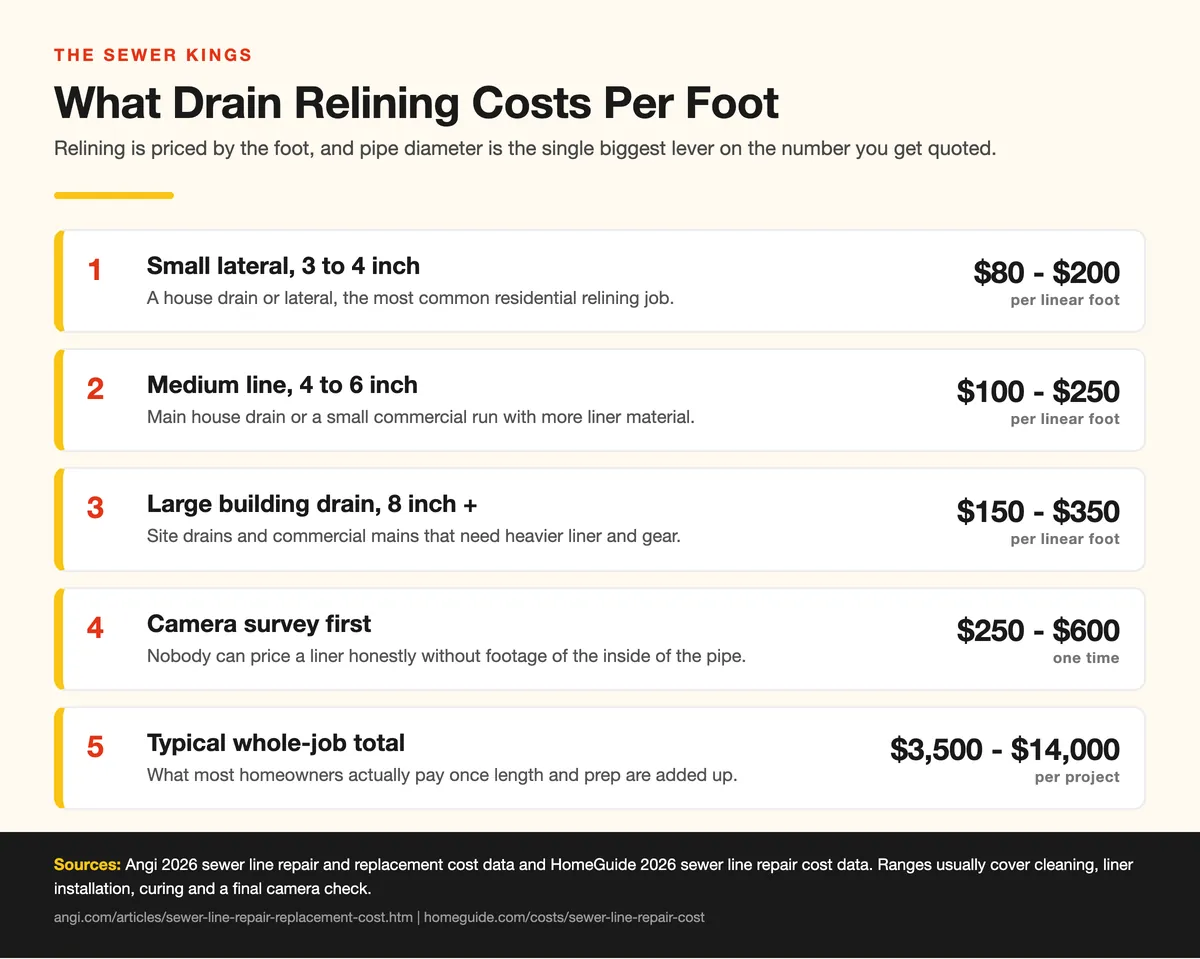
Drain relining costs roughly $80 to $250 per linear foot, and most whole projects land between $3,500 and $14,000 based on 2026 sewer line repair cost data from Angi. Pipe diameter and run length move the number more than anything else.
A liner is a resin-soaked sleeve pulled or pushed into the old pipe and cured hard in place. When it sets, you have a new pipe inside the old one, jointless and smooth.
The appeal is obvious. Instead of opening the full length of a lawn or a driveway, the crew works through an access point and leaves most of the ground untouched.
The Sewer Kings run both liners and open-cut repairs, so the honest position is that relining is not always the right answer. Below is what the job involves, what it costs, and where drain relining stops making financial sense.
What Drain Relining Actually Is
The name sounds technical, but the idea is simple. You are casting a new pipe wall inside the pipe you already own.
The liner
A flexible felt or fibreglass sleeve is soaked in epoxy resin. It goes into the host pipe soft, then gets inflated against the wall so it takes the shape of the pipe, bends included.
The cure
The resin hardens in place using ambient temperature, hot water or steam, depending on the system. Once it sets, the liner is a structural pipe in its own right and does not depend on the old one for strength.
The result
The finished line has no joints for roots to enter and a smoother wall than the original clay or cast iron. Flow usually improves even though the inside diameter is slightly smaller.
What still gets dug
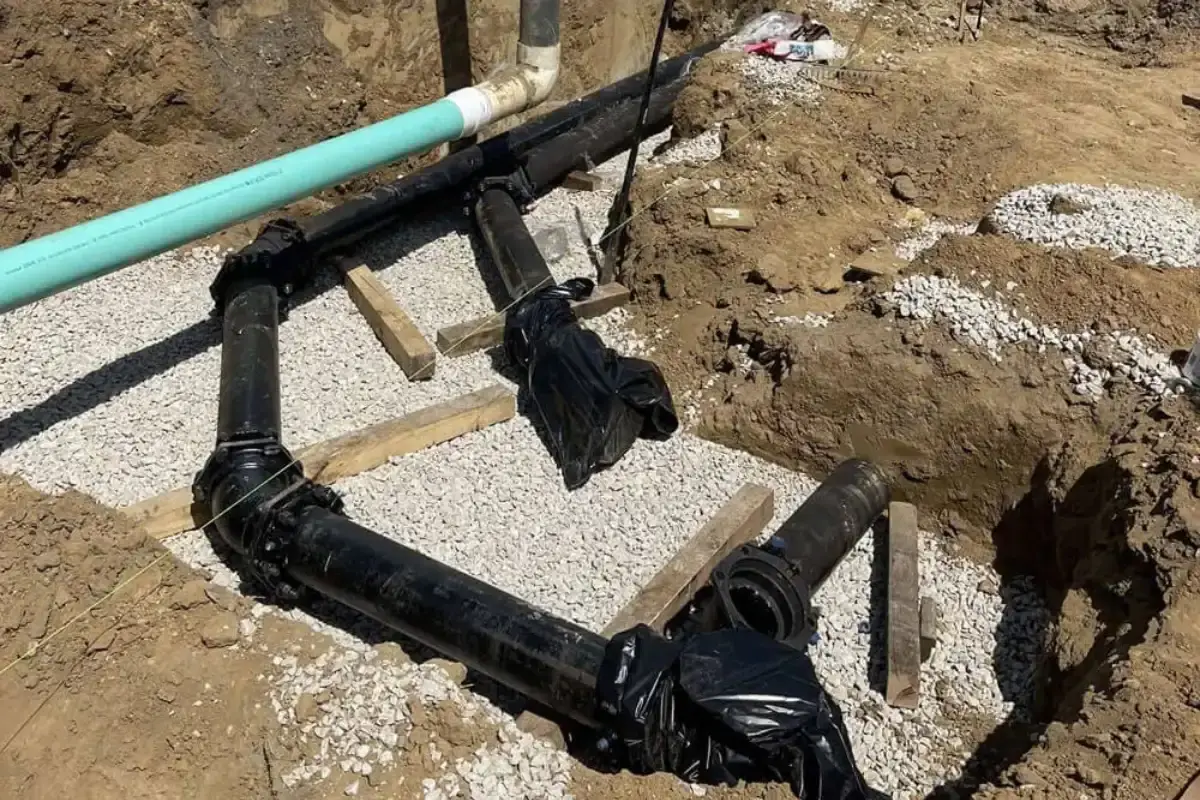
Access is not free. The crew works through an existing cleanout where one exists, or opens a small pit at one end of the run. That is far less ground than a full open-cut, but it is not nothing, and any company promising zero excavation is overselling. Our older explainer on how pipe relining works walks the same process step by step.
How Much Does Drain Relining Cost?
Relining is sold by the foot, so the quote is really two numbers multiplied together: a rate and a length. The Sewer Kings price it that way too, which makes competing bids easy to line up.
Small laterals, three to four inch
The common house drain sits around $80 to $200 per linear foot. This covers most residential jobs, and it is the range you should expect on a standard lateral.
Medium lines, four to six inch
A main house drain or a small commercial run costs about $100 to $250 per linear foot. Bigger pipe needs more liner material and more resin, and the equipment gets heavier.
Large building drains, eight inch and up
Site drains and commercial mains run $150 to $350 or more per linear foot, in line with HomeGuide’s 2026 sewer line repair cost guide. These jobs are usually priced as projects rather than by a rate card.
The camera survey
Expect a separate charge of a few hundred dollars for the inspection that comes first. Nobody can price a liner honestly without footage, and any quote given without it is a guess with a number attached.
Cleaning before lining
The host pipe has to be scrubbed back to bare wall before a liner will bond. Heavy scale or root mass adds a jetting or descaling visit to the invoice, and on badly neglected lines that is not a small line item.
How the Job Runs from Camera to Cure
A relining job has four stages, and skipping any of them is how liners fail early.
It starts with footage. The camera confirms the pipe is cracked or root-damaged rather than collapsed, measures the run, and shows every bend the liner has to travel through.
Next comes cleaning. Grease, scale and roots all get stripped off the wall, because resin bonds to pipe and not to buildup. This stage takes longer than most homeowners expect.
Then the liner goes in and inflates against the wall. Curing takes anywhere from a couple of hours to most of a working day depending on the system, the pipe size and the ground temperature.
While the resin sets, the line is out of service. Plan for a day with no laundry, no dishwasher and limited toilet use, and ask the crew for the exact window before they start rather than after.
The last stage is a second camera pass. Ask for that footage in writing before you pay. Our team treats it as part of every drain repair job, because a liner you cannot see is a liner you cannot verify.
The Sewer Kings are family owned and PSMA certified, and Anthony and Mark Papaneri learned this work on their father’s municipal water and sewer projects. That background is why the crew treats the footage as the deliverable, not just the pipe.
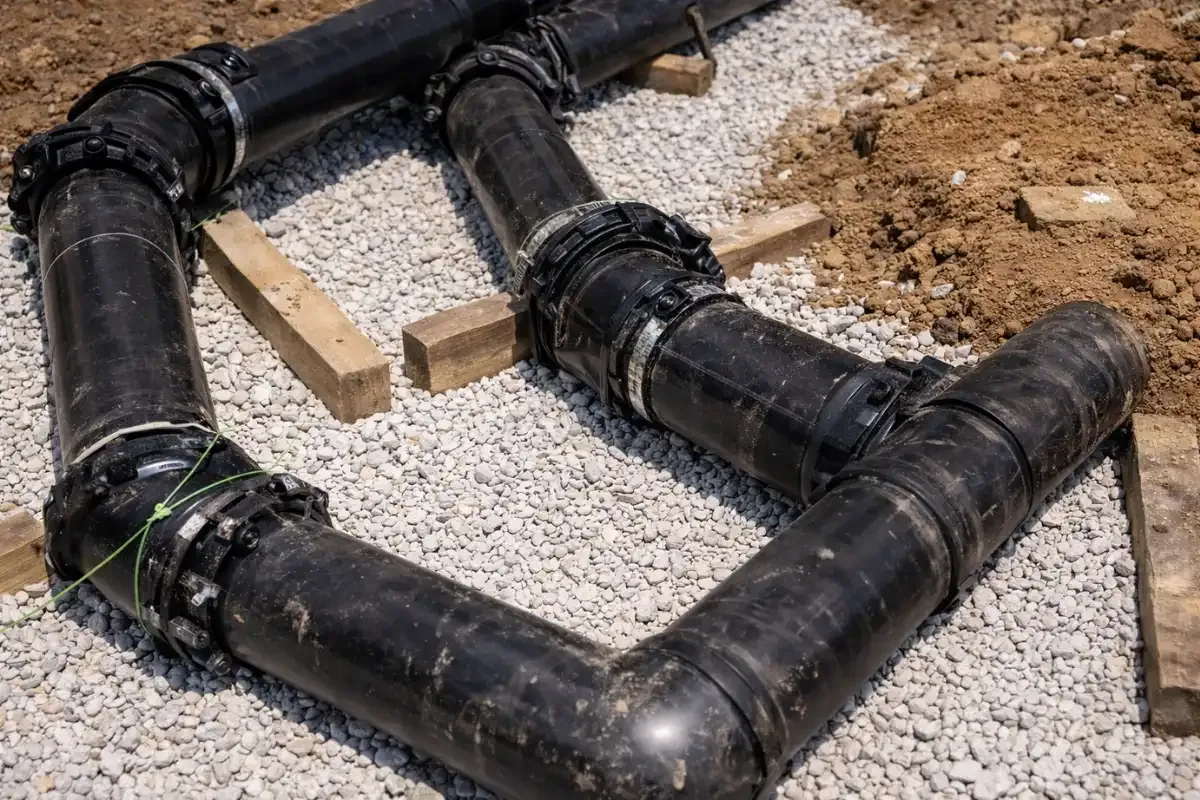
When Relining Is the Right Call and When to Replace
Relining wins when the pipe is damaged but still holding its shape. Cracks, open joints, root intrusion and general age are all good candidates.
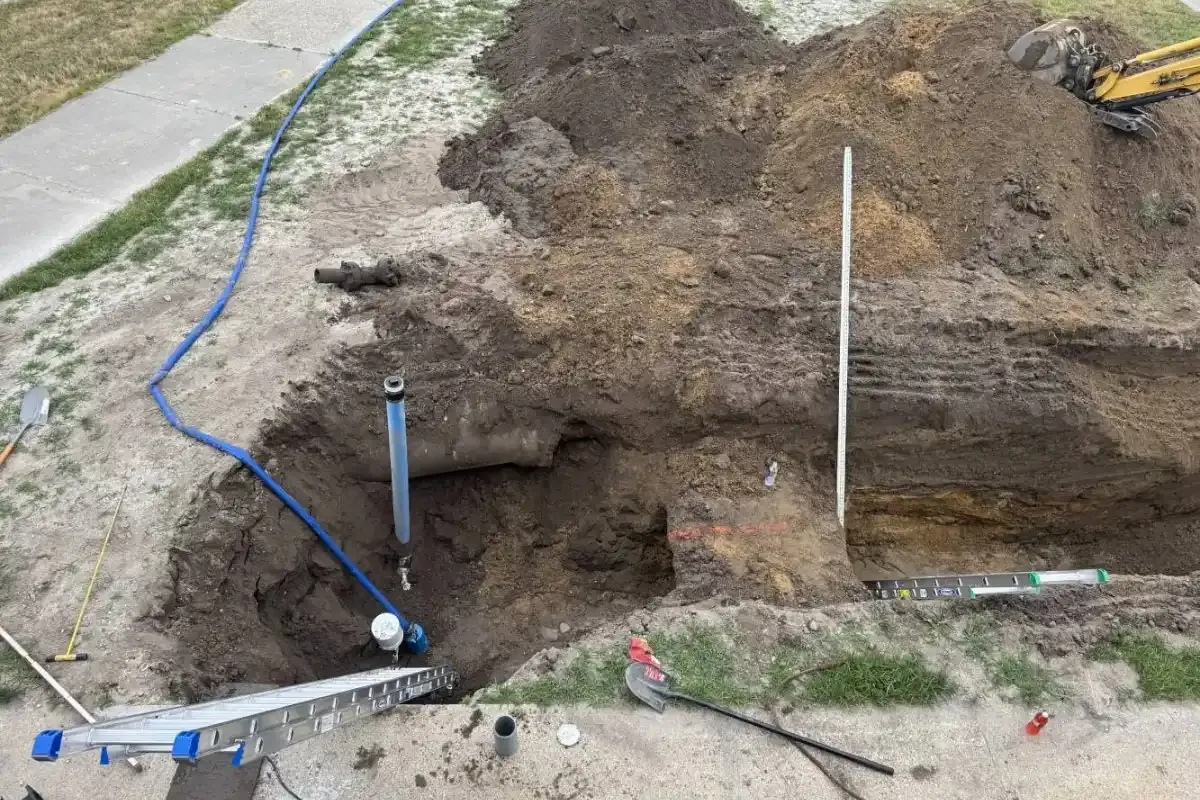
It wins even harder when the run sits under something expensive. A driveway, a mature tree, a patio or a finished basement floor all make open-cut work costly to put back, and that restoration bill is what tips the math.
Replacement wins when the pipe has collapsed or lost its shape. A liner needs a host to take the form of, and a crushed section gives it nothing to hold.
Replacement also wins on a bad sag. A liner follows the low spot instead of correcting it, so the line keeps holding water and the same fixture keeps backing up. Fixing a belly means digging and resetting the fall.
Watch the diameter too. A liner takes a small bite out of the inside of the pipe. On a line that is already undersized for the house it serves, giving up that width is the wrong trade, and a new pipe at the right size is the better long-term buy.
On a short run in open lawn, plain excavation is often cheaper than lining anyway. If you want a straight cost comparison for a sewer-side line, our guide to what it costs to line a sewer pipe runs the same numbers from the other direction.
Drain Relining Cost: Common Questions
How long does a relined drain last?
Most liner systems are rated for roughly fifty years, which is comparable to new PVC. The number depends on the resin, the quality of the install and how clean the host pipe was before the liner went in. Poor prep is the usual reason a liner fails early.
Is relining cheaper than digging up the pipe?
It depends entirely on what is above the pipe. Under a driveway, a patio or mature landscaping, relining almost always comes out ahead once restoration is counted. Under open lawn on a short run, straight excavation is often the cheaper job.
Can any drain be relined?
No. The host pipe has to be intact enough to hold the liner’s shape, and the run has to be reachable from an access point. Collapsed sections, severe sags and pipes with too many tight bends all get ruled out by the camera survey before a price is ever quoted.
Find Out If Your Line Can Be Relined
The Sewer Kings put a camera down the line first, then price the option that actually fits the pipe, whether that is a liner or an open-cut repair. Family owned, fully licensed, bonded and insured, and available 24/7 across Burlington, Camden, Gloucester and Atlantic counties.
Call (856) 626-9366 and we will tell you what the footage shows before anyone quotes you a foot of liner.