
Your drain setup might be something you rarely think about, until a foul odor or sudden backup grabs your attention. But how do you find out if your drain is shared? Understanding whether multiple properties connect to the same drainage pipe can save you from costly surprises and unwanted repair bills down the road. In places like Evesham, NJ, where older homes and modern neighborhoods often mix, detecting a shared drain early is crucial. Proper sewer line maintenance becomes even more important when multiple properties share the same line.
Whether you’re a homeowner, a local contractor, or someone responsible for maintaining underground utility lines, knowing how your drain is configured helps you prevent clogs and manage potential repairs more effectively.
Understand shared drains
A “shared drain” is a drainage pipe that serves more than one property before connecting to the main sewer. Terraced or semi-detached houses often have interlinked drainage systems, where multiple toilets, sinks, or showers feed into a single line. These setups can exist with or without your knowledge, especially if your home’s documentation isn’t crystal clear.
In many older neighborhoods, shared drains evolved over decades of expansions. If your house was built before local regulations or if you notice multiple sewer covers near your property, there’s a possibility your drain isn’t as private as you think. Checking your property’s drainage configuration will help you pinpoint future responsibilities and avoid paying for a problem caused by your neighbor’s clogged pipe.
Why identifying a shared drain matters
First, shared drains can complicate repair costs. When you share a line, any blockage in that pipe can affect multiple households. This means repair expenses could be split among several owners, or, if no formal agreement exists, you might find yourself negotiating last-minute to figure out who pays what.
Second, understanding whether your drain is shared shapes your approach to home maintenance. For instance, if you encounter frequent blockages, you’ll want to know if they stem from your own plumbing or from combined usage with neighbors. You can then plan routine cleanings or schedule professional inspections before small clogs turn into major headaches.
Lastly, if you plan to buy or sell a home, discovering a shared drain too late might slow the transaction. Disclosing or investigating a shared connection helps you and future buyers handle any pending legal or financial responsibilities.
Indicators your drain may be shared
Properties with shared drains often show specific signs. When more than one property feeds into the same line, symptoms sometimes surface all at once. For example, you might notice slow-draining sinks or toilets across multiple homes or hear unexpected gurgling noises in your pipes when you aren’t running any water. Frequent blockages happening simultaneously in your neighborhood could point to a collective sewage conduit.
You can also look for:
- Multiple sewer covers close to each other behind row houses.
- Periodic sewer backups that affect you and a neighbor at the same time.
- Shared sewer bills, in areas where the cost is split among local properties.
According to Plumbing United, these are some of the most common red flags indicating a shared sewer line. If you spot one of these issues, further investigation is well worth your time.
Check property deeds and local records
When you’re asking, “How do I find out if my drain is shared?” one of the easiest first steps is to look at your property deeds and any easement documentation. Deeds sometimes detail how waste lines run across property boundaries. You can also check with your local water authority, they often keep records of sewer line layouts or known shared connections. (Plumbing United)
If your local authority does not have digital maps, a phone call or in-person visit might help. In some neighborhoods, you can view permit applications for past sewer line replacements along the street. If you see repeated work on a line that seems to pass behind multiple properties, you may have a shared setup. (reddit.com)
It’s also possible that your drain is partially shared. In this scenario, multiple properties might connect well before reaching the main sewer line, then all feed into a single final pipe. Confirming the exact intersection points can help you know which portion is your responsibility.
Camera inspections and professional assistance
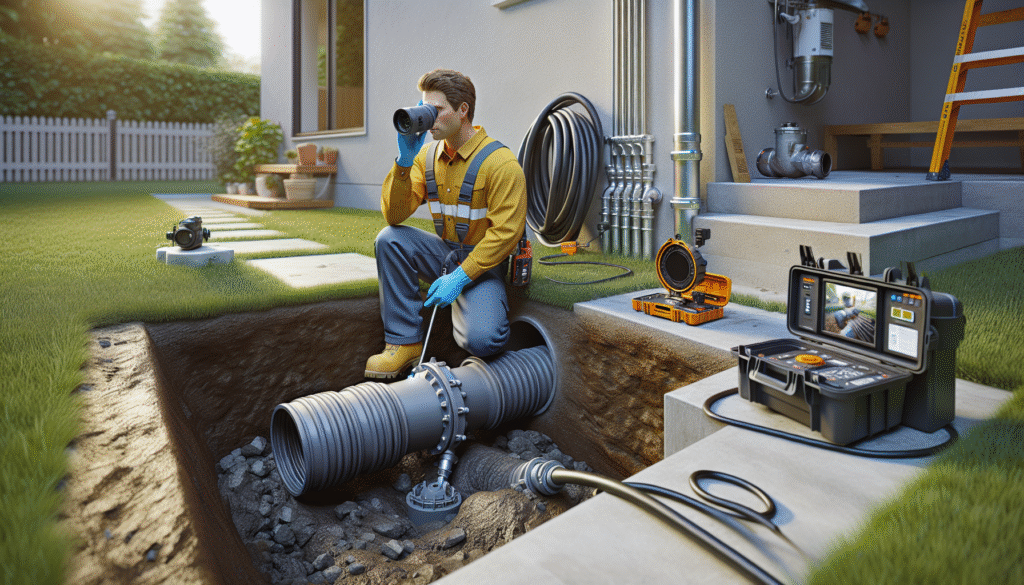
Even the best records can be incomplete or outdated. That’s why many homeowners in the Fairfax or Evesham areas rely on sewer camera inspections to confirm whether a drain is shared. A skilled plumber feeds a specialized camera through your lines to capture a live video feed of the pipe interior. This inspection reveals connections, crossovers, and potential damage like cracks or tree root intrusion.
Veteran Plumbing Services, for instance, emphasizes that advanced camera inspections can quickly pinpoint issues and uncover whether neighboring properties connect to the same line. (Veteran Plumbing Services) During the procedure, a plumber may use existing cleanouts or carefully remove a fixture (like a toilet) to access the line. If you rely on a septic system, keep in mind that a standard septic inspection might not always scope from the house all the way to the tank. Make sure you specifically request a full camera survey for clarity. (reddit.com)
Here’s how a camera inspection can help:
- Identify illegal cross-connections or partial misalignments.
- Determine whether the drain physically connects your pipes with a neighbor’s.
- Pinpoint root damage, deterioration, or other blockages.
- Provide clear video evidence that clarifies your ownership boundaries.
If you don’t have an obvious cleanout, professionals can explore different access points to complete the visual survey safely and effectively.
What to do after confirming a shared drain
If you confirm your drain is shared, there are a few steps you should consider:
• Clarify rights and responsibilities: Legal documents such as easements or homeowners’ association rules might detail how costs are split. If no formal agreement exists, talk to your neighbors about drafting one.\ • Plan regular maintenance: Shared drains need consistent upkeep to avoid major clogs. That might include scheduled cleanings or monthly checks.\ • Coordinate with neighbors: Effective management of shared infrastructure demands good communication. If you spot signs of a problem, alert everyone affected quickly.\ • Know your local regulations: In some places, once a drain crosses a certain boundary, the water authority takes responsibility. (FS Group) Check your local rules so you don’t unintentionally pay for something your municipality should handle.
Staying proactive can save you the hassle of emergency repairs. When issues do arise, understanding your options for sewer line repair helps you make informed decisions about fixing shared infrastructure. And if you ever decide to remodel or change your home’s plumbing, keep that shared line in mind as you plan.
Helpful resources for sewer line navigation
For deeper insight into your specific setup, you might want to explore the following posts:
• If you’re curious about the usual location of sewer lines, take a look at where is the main sewer line typically located?\ • Unsure whether every property has its own sewer line? Visit does every home have a sewer line?\ • Wondering if local utility locaters can find sewer routes? Check does 811 locate sewer lines?\ • Need help mapping the path of your line? Explore how can i find out where my sewer line runs?
These resources can guide you in understanding typical sewer setups, excavation rules, and the role of public agencies in your area.
Avoiding future surprises
Once you’ve confirmed whether your drain is shared, keep an eye on the long game. Sewer lines are out of sight, so it’s easy to forget them until a crisis hits. Marking cleanouts, scheduling camera checks every couple of years, and staying connected with your neighbors are all powerful ways to maintain a healthy line. If you ever suspect a blockage or you detect a sudden spike in your water bill, act early. Even a simple partial clog can spiral into a more expensive problem if multiple households are flushing or draining through the same pipe.
Depending on your arrangement, you might also consider updating your homeowner’s insurance or verifying coverage in case a major repair is needed. Some insurers offer riders that specifically address sewer backups or certain types of water damage. Having that coverage in place could be the difference between a minor inconvenience and a financial setback.
Final thoughts
Shared drains require a bit of extra attention, particularly if you live in an older part of Evesham or any town where properties are lined up close together. Confirming whether your plumbing is individually owned or shared with neighbors brings real peace of mind. It also sets you up to avoid confusion the next time a clog appears or a major repair is needed.
Take a moment to confirm what’s underground. Look through your property records, consult local authorities, or schedule a camera inspection for a definitive answer. Once you know where you stand, you can make confident decisions about maintenance, cost-sharing, and future home improvements. After all, proactive steps now mean fewer headaches, and fewer repair bills, later on.