

How Long Drain Pipes Really Last
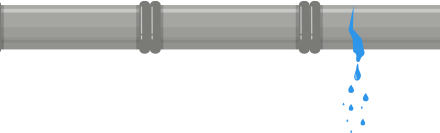
Drain pipes do not last forever. Most pipes in New Jersey homes hold up for 50 to 100 years. The exact number depends on the material, the soil, and how the line was installed. If your home was built in the 1960s or 1970s, your pipes are near the end of that range.
This guide breaks down the lifespan of each common drain pipe material. It also covers the signs of failure and when to repair versus replace. If you already know your pipes are failing, see our drain pipe replacement service for next steps.
At The Sewer Kings, we work on drain lines across South Jersey every day. We see what fails first and what still works after 70 years. Here is what we have learned.
The Sewer Kings is a local drainage and sewer company based in Evesham, NJ.
Drain Pipe Lifespan by Material
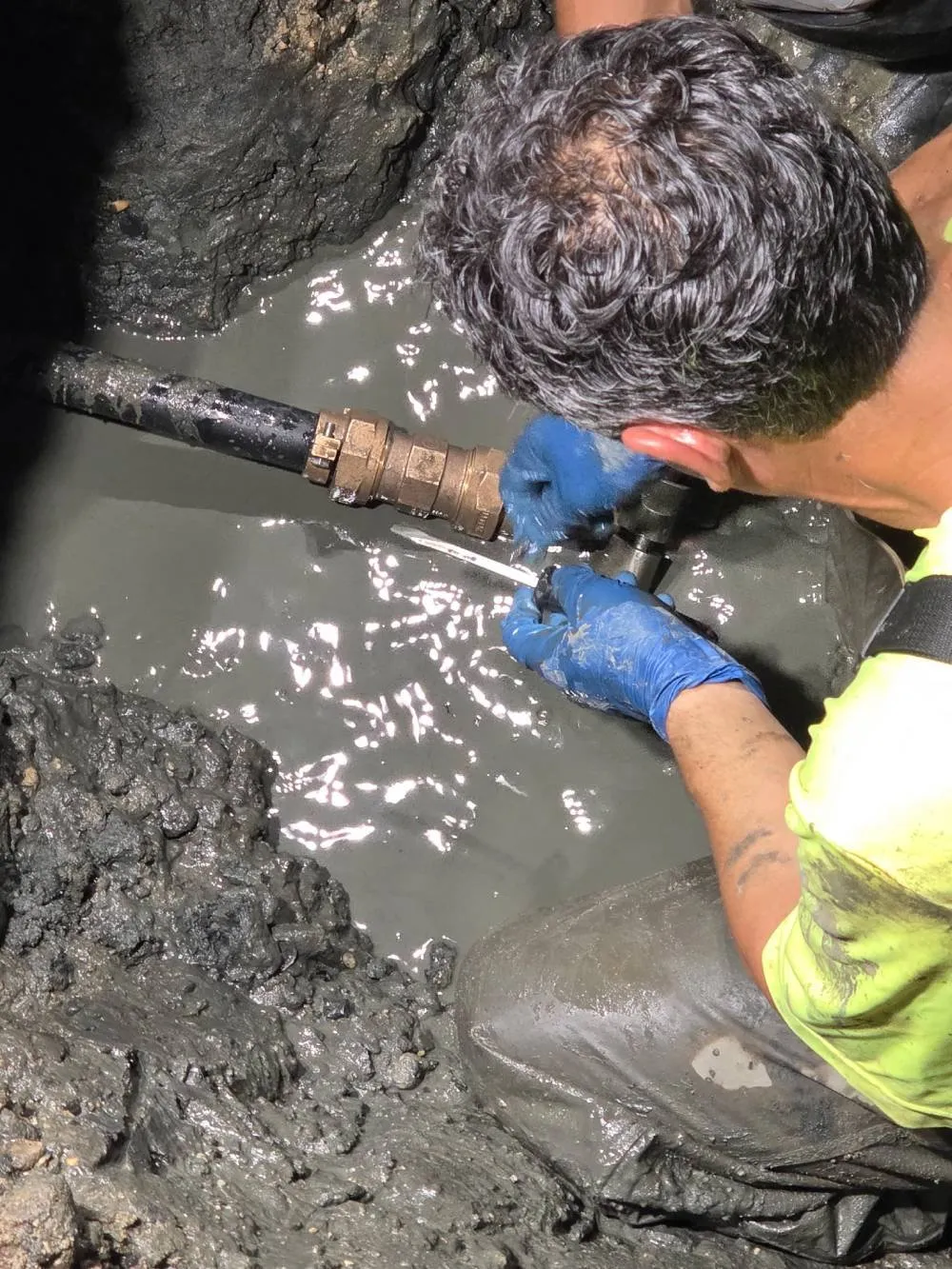
Not all drain pipes age the same way. The material your plumber used decides how long the line will last. Most NJ homes have one or two of these pipe types under the floor or in the yard.
Cast Iron (50 to 75 Years)
Galvanized Steel (50 to 70 Years)
Galvanized steel pipes were used for smaller drain and vent lines. The zinc coating wears off over time. Rust then chokes the inside diameter down by half or more. Most NJ galvanized drain lines from the 1950s are at or past the end of life.
PVC (25 to 100 Years or More)
PVC plastic took over for new construction starting in the 1970s. It does not rust. It does not corrode. Buried PVC sewer pipe can last 80 to 100 years or longer with good glue and bedding. Inside a home, PVC drain pipes can last as long as the house.
ABS (50 to 80 Years)
ABS is the other black plastic drain pipe. It looks similar to PVC but is one solid piece, not layered. ABS lasts 50 to 80 years on average. Some early ABS from the 1980s had factory defects and cracked early, but most installations are still going strong.
Copper (50 Years Plus)
Copper drain lines are less common than copper water lines. When used as a DWV pipe, copper can last 50 years or more. Acidic water and harsh cleaners shorten that range. Pinhole leaks are the most common failure mode.
Clay (50 to 100 Years)
Clay tile was the standard sewer lateral pipe before plastic. Many South Jersey homes built before 1970 still have clay running from the house to the street. Clay lasts 50 to 100 years if no roots find the joints. Roots almost always find the joints.
Orangeburg (30 to 50 Years)
Orangeburg is the worst pipe ever buried in a yard. It is bituminous fiber, basically tar and wood pulp. It was sold from the 1940s to the 1970s as a cheap sewer lateral. It collapses, blisters, and deforms. If your home has Orangeburg, it is already failing.
Signs Your Drain Pipes Are Failing
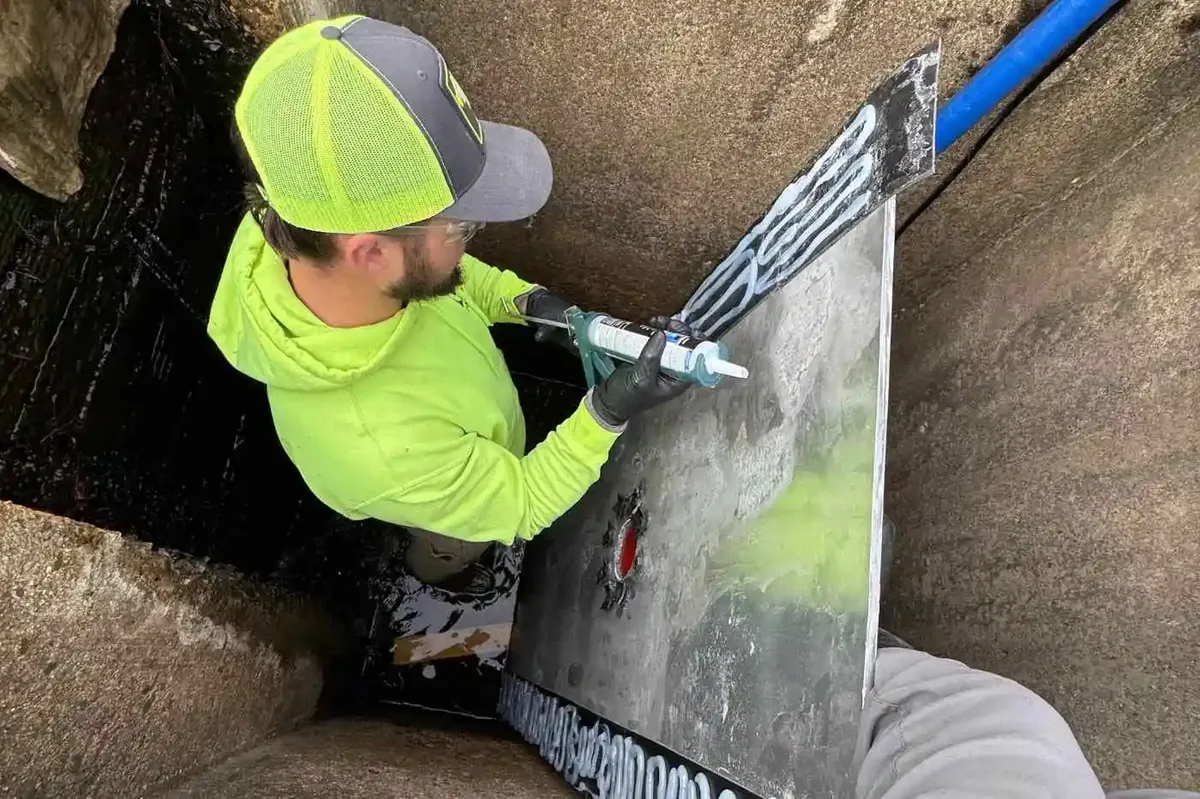
Old pipes rarely fail without warning. The clues show up in your sinks, your yard, and your water bill. The earlier you catch them, the less you spend on the fix.
Slow Drains Across the House
Frequent Backups
If you snake the same drain every few months, the pipe itself is the problem. Cracks, bellies, and offsets trap waste no matter how many times you clear them.
Sewer Smell Inside or Outside
A sewer odor in the basement or near the cleanout means gas is escaping a broken pipe. Healthy drain lines are sealed and vented to the roof.
Wet Spots or Lush Grass in the Yard
A leaking sewer lateral feeds the lawn above it. One green stripe across a brown yard is a classic sign of a cracked clay or Orangeburg pipe.
Foundation Cracks or Sinking Spots
A long-term leak under the slab washes away soil. That can crack the foundation or leave a soft spot in the basement floor. This is a serious sign and needs a camera inspection right away.
Rust Stains or Pinholes on Visible Pipe

Why South Jersey Pipes Wear Out Differently
New Jersey has one of the oldest housing stocks in the country. Many South Jersey towns boomed in the 1950s, 1960s, and 1970s. That puts a huge share of local drain pipes in their final decades of service.
The soil under towns like Evesham, Voorhees, and Cherry Hill is sandy on top with clay below. Clay holds water against buried pipes. That speeds up rust on cast iron and feeds roots into clay laterals.
Tree cover is another factor. Mature oaks and maples line many streets in South Jersey. Their roots travel 40 feet or more in search of water. Old joints in clay or Orangeburg pipe are easy targets.
Local water chemistry also plays a part. South Jersey water is slightly acidic. Over decades, that acid thins copper drain walls and speeds up corrosion in galvanized steel. Newer plastic pipes are not affected.
When to Replace Versus Repair Drain Pipes
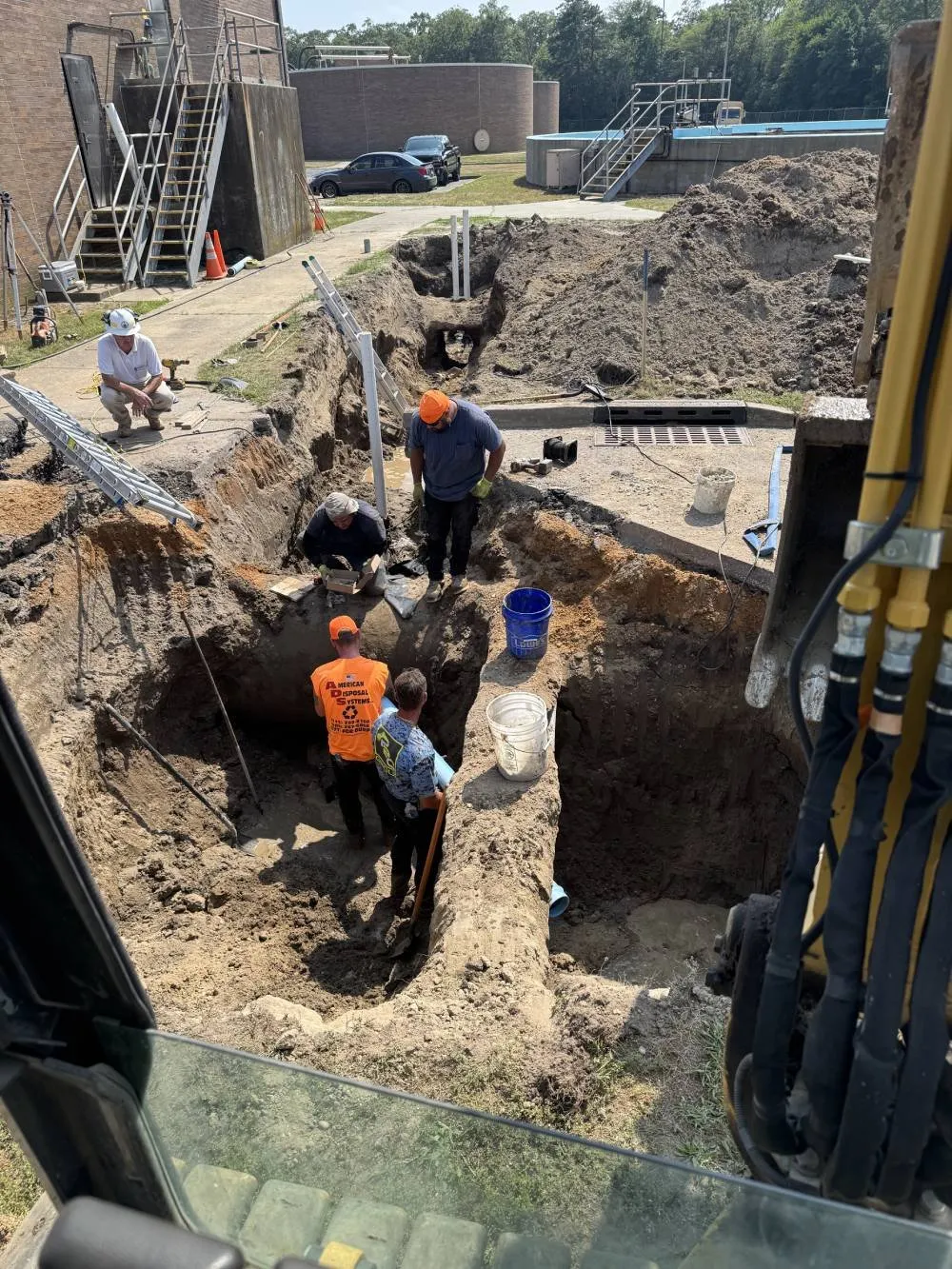
Not every old pipe needs to be ripped out. The right call depends on the damage, the material, and how much of the line is affected.
Spot Repair
Drain Relining
Full Replacement
Need help deciding? Our other guide on the average lifespan of a sewer line explains the sewer side of the same question in more detail.
Frequently Asked Questions About Drain Pipe Lifespan
Look at the exposed stack in your basement. Black with bell joints is cast iron. White or off-white plastic is PVC. Solid black plastic is ABS. For buried sewer lateral material, a camera inspection is the only sure way.
Sometimes. If the walls still have meat, we can hydro jet the rust scale and reline the inside. If the pipe is rusted through or cracked, replacement is the better call. A camera inspection shows which path makes sense.
Get a camera inspection every 3 to 5 years if your home is more than 40 years old. Every year is smart if you have had backups before or large trees in the yard.
Worried About the Drain Pipes in Your NJ Home?
Customers across South Jersey trust The Sewer Kings for honest, same-day service.