

How Often Should You Inspect Your Sewer Line?
Sewer lines run under your yard and you never see them. That makes it hard to know when something is wrong. A regular camera inspection takes the guessing out of it. The Sewer Kings runs sewer camera surveys across South Jersey every week.
Most homes do well with a sewer line inspection every two to three years. Newer plastic pipes can sometimes stretch that out to five years. Older homes need a check far more often, and we will get into the details below.
If you want to see exactly how the survey works, read our service page on a CCTV drain survey in Evesham, NJ. That page walks through the camera gear, the report you get, and the typical visit time.
This guide covers the timing rules and the things that change the schedule. It walks through the warning signs that mean an inspection now. It also shows what the camera visit looks like.
The Sewer Kings is a local drainage and sewer company based in Evesham, NJ.
How Often Most Homes Should Be Inspected
The simple answer for the average home is every two to three years. That window catches root growth, small cracks, and grease buildup long before they turn into a backup.
Homes built in the last 20 years usually have PVC plastic sewer pipe. PVC is smooth, joint-tight, and root resistant. A camera check every four to five years is often enough on these lines.
Homes built between 1970 and 2000 sit in a middle zone. The pipes are often a mix of PVC and older clay or cast iron near the house. Every two to three years is the safer call for this group.
Homes 30 years old or more should get a sewer line inspection every single year. The pipes from that era show their age in joint gaps, scale, and slow shifts in the soil.
If you are buying a home, schedule a camera survey before you close. The inspection costs far less than a surprise repair after move-in day.
Factors That Change the Schedule
Not every home fits the standard two to three year rule. A few key factors can move you into the yearly checkup group. Here are the big ones we see in South Jersey.
Big Trees in the Yard
Mature trees within 20 feet of the sewer line are root risk number one. Oak, maple, and pine roots chase the moisture inside the pipe. A yard full of big trees means a yearly camera check is smart.
Pipe Material
Clay pipe and cast iron crack at the joints over time. Orangeburg pipe, used in the 1940s through the 1970s, collapses on its own. Any of these materials warrant an inspection every year.
Age of the Home
Homes built before 1980 almost always have older pipe under the yard. The seals, the joints, and the bends all wear with age. Plan on a yearly inspection once your home passes 30 years old.
History of Backups
If you have had even one main line backup in the last five years, you need yearly checks. A repeat clog is the pipe telling you the root or crack is still down there.
Heavy Use Households
Larger families, home daycares, and rental properties push more water and waste through the line. More use means more chances for buildup, so a yearly survey makes sense.
Warning Signs That Mean an Inspection Right Now
Sometimes you should not wait for the next scheduled visit. Certain signs mean the sewer line is already in trouble. Call for a camera check the same week if you notice any of these.
Slow Drains Across the House
One slow sink is a local clog. Slow drains in two or more rooms point to the main sewer line. That pattern is your top reason to inspect right away.
Gurgling Toilets
A toilet that bubbles or burps when the washing machine runs is a clear sign. The main line is partly blocked. Air gets pushed back up the line because waste cannot pass.
Sewer Odor Inside or Outside
A foul smell near floor drains, in the basement, or in the yard means sewer gas is escaping somewhere. A camera survey locates the break fast.
Repeat Clogs Within Months
If you keep needing the snake or the auger, the pipe itself is the problem. Cleaning will not fix a cracked or root filled line, only a real look inside will.
Wet Spots or Sinkholes in the Yard
A soggy patch or a dip in the lawn over the sewer path means waste is leaking underground. That is an emergency. Schedule a survey the same day.
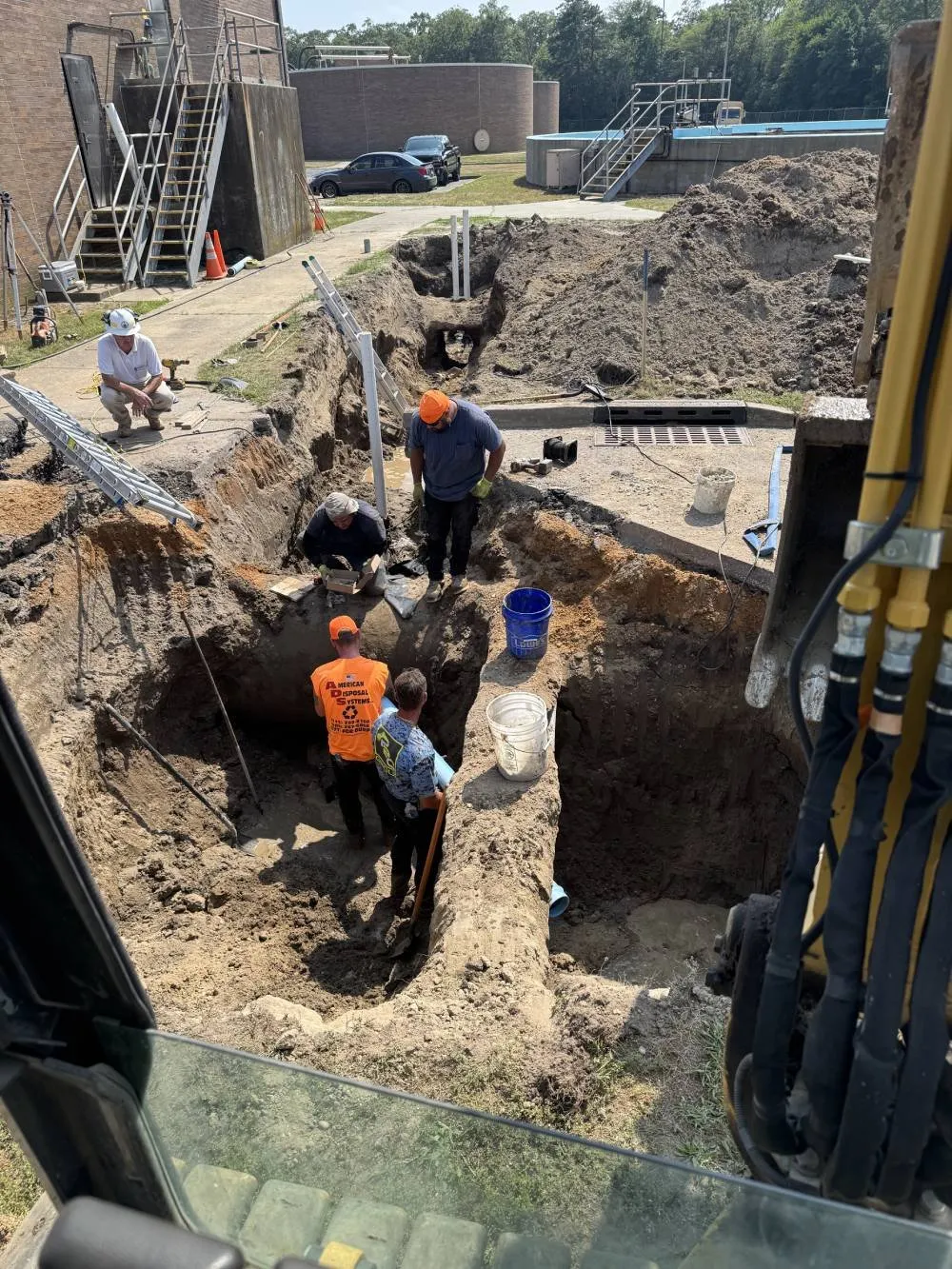
What a Sewer Camera Inspection Looks Like
The visit is short and clean. Most jobs take 45 to 90 minutes from start to finish. You can read the full step by step on our CCTV drain survey page.
Step one is finding the cleanout. That is the small capped pipe outside the home or in the basement. We pop the cap and feed in a flexible camera on a long cable.
Step two is the run. The camera travels through the line all the way to the city main or the septic tank. The image streams to a screen so you can watch with the technician.
Step three is the report. You get a video file, time stamped notes on any problem spots, and a clear next step. If the pipe is clean, we tell you it is clean.
If we find roots, we can usually clear them on the same visit with sewer line cleaning. If we find a crack or a collapse, we set up a follow up for sewer line repair.
Curious what a single inspection visit involves before you book?
Want to know if the camera survey is worth the cost? Our sibling guide answers that question in detail. Read Is a Sewer Camera Inspection Worth It? for the full breakdown.
For broader pipe care tips, the EPA WaterSense home guide is a solid third party resource on home plumbing health.
Frequently Asked Questions About Sewer Line Inspection Timing
Most camera surveys take 45 to 90 minutes from the moment we arrive. That includes finding the cleanout, running the camera to the city main, and showing you the footage on screen. You get a written summary before we leave.
A homeowner can buy a cheap drain camera. The cheap version will not reach the full sewer line or show joints and roots well. A pro camera reaches 100 feet or more and shows fine detail. For a real answer, hire a licensed crew.
A routine inspection is rarely covered by homeowners insurance, since it is preventive. After a backup or a sewer line break, some policies will cover the camera fee as part of the claim. Always ask your agent first.
Ready to Schedule Your Sewer Line Inspection?
Customers across South Jersey trust The Sewer Kings for honest, same-day service.