

Unlicensed septic work often costs homeowners double. First, you pay for the faulty installation or repair. Then, you pay again when a licensed contractor has to fix the damage and bring everything up to code. In New Jersey, septic system work requires specific credentials for good reason. This guide explains what those requirements are, why they matter, and how unlicensed work puts your property and wallet at risk.
Do I Need a Licensed Contractor to Service My Septic System in NJ?
Yes. The New Jersey Department of Environmental Protection requires valid licensing for all septic system work. Here’s what licensed contractors must have:
- Current DEP certification for their specific trade
- Proof of liability and workers' compensation insurance
- Permits pulled for installation, repair, or modification work
- Knowledge of state and local code requirements
Working with an unlicensed contractor can result in fines up to $10,000, failed inspections, and costly system failures. If you need septic system service in Evesham, work with licensed contractors for compliant results.
New Jersey’s Septic Licensing Requirements Explained
The DEP oversees all septic professionals through a structured licensing program. Three main license types exist. Septic pumpers handle waste removal and basic maintenance. Septic installers design and build new systems or replace failed components. Septic inspectors evaluate system condition and compliance before property sales or permit approvals.
Licenses must be renewed regularly, and contractors need continuing education to stay current. The DEP tracks every active license in a public database you can search online. Master licenses allow contractors to supervise complex projects and sign off on permits. When you hire a septic company, ask which team members hold which credentials.
What Can Go Wrong with Unlicensed Septic Work
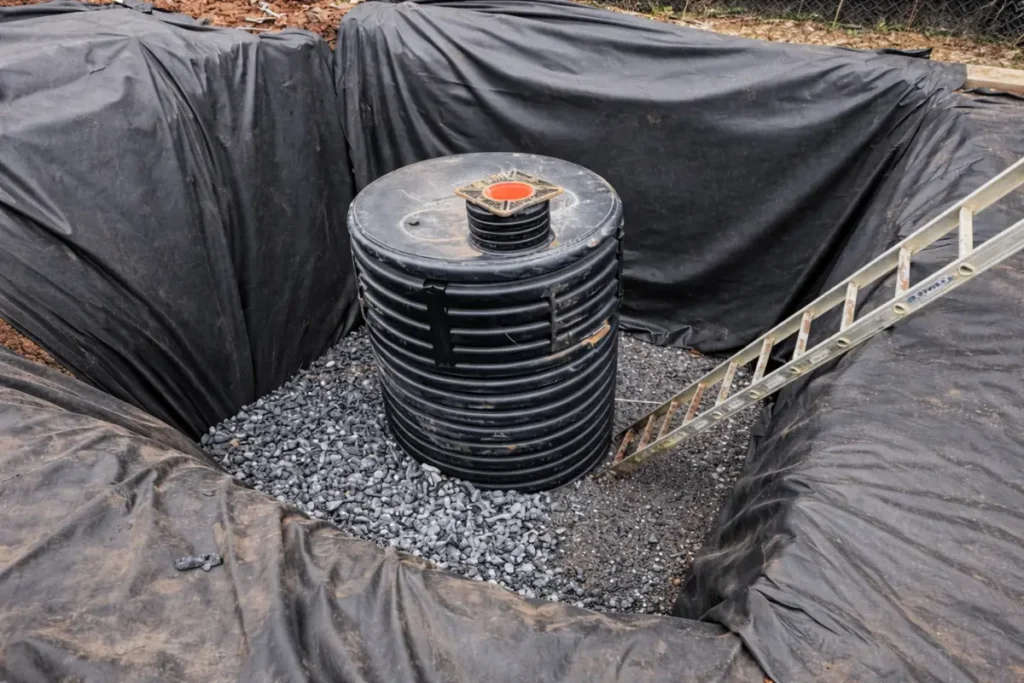
Improper installation causes most early system failures. Unlicensed contractors often skip required soil testing, install drain fields at the wrong depth, or use substandard materials. When the system fails within months, you’re stuck with repair bills and a contaminated yard.
Property sale violations create serious problems. The buyer’s inspector flags unpermitted work and requires corrections before closing. You cover the cost of bringing the system up to code or lower your sale price. Your title company flags the violation and delays or cancels the transaction.
Unlicensed work voids manufacturer warranties on tanks, pumps, and system components. Insurance gaps leave you exposed since unlicensed contractors rarely carry proper liability coverage. Environmental contamination brings legal and financial consequences. County health departments track violations and issue fines for failing systems.
How Licensed Professionals Protect Your Property Investment
Permit documentation creates a paper trail that protects you. When we pull permits for septic work, the township records show compliant installation dates, system specifications, and inspection results. This documentation adds value when you sell.
Insurance protection covers you if anything goes wrong. Our liability and workers’ compensation policies mean you’re never on the hook for injuries or property damage during the job.
Code compliance directly impacts system longevity. Licensed contractors follow specifications for tank depth, drain field sizing, and setback distances. Systems built to code last 20 to 30 years or more. Shortcuts cut that lifespan in half.
Schedule a septic inspection with our licensed professionals to verify your system’s condition and compliance status.
NJ Septic Regulations Homeowners Need to Know
New Jersey requires septic tank pumping every three to five years depending on household size and usage. The DEP recommends keeping pumping records to prove compliance if questions arise.
Property sale inspection rules apply statewide. When you sell your home, the buyer can request a septic inspection. Some townships require inspections before sale closing. Failed inspections delay closings and cost you money in repairs.
Permit requirements vary by project type. Routine pumping and maintenance don’t need permits. Repairs that involve excavation, tank replacement, or drain field work require township permits. New installations always need DEP approval and multiple inspections.
Keep copies of pumping receipts, repair invoices, permit approvals, and inspection reports. Store these with your property deed. Future buyers want to see maintenance history.
How to Verify Your Septic Contractor’s Credentials
The DEP database check takes five minutes and confirms active licenses. Visit the New Jersey DEP website and enter the contractor’s business name or license number. Confirm the license type matches the work you need done. Check the expiration date to verify current status.
Request three items before signing any contract. Ask for the contractor’s license number and verify it yourself. Get proof of current liability insurance and workers’ compensation coverage. Request references from recent jobs similar to yours.
Red flags tell you to walk away. The contractor pressures you to skip permits or inspections. They offer prices far below other quotes without clear explanation. You can’t verify their license in the DEP database. They ask for full payment upfront before starting work.
At The Sewer Kings, we answer common homeowner questions during estimates. Our team holds current DEP certifications and pulls permits for every job that needs them.
Frequently Asked Questions
No, you cannot legally pump your own septic tank in New Jersey. Only licensed septic pumpers with valid DEP certification can remove and transport septic waste. Attempting this yourself violates state regulations and creates health hazards.
Licensed septic inspections in New Jersey typically cost between $300 and $600 depending on system size and complexity. This investment protects you from much larger expenses if problems go undetected before a property sale.
You face fines up to $10,000 from the state, voided warranties on system components, failed property sale inspections, and liability for any environmental contamination. You’ll also need to pay a licensed contractor to redo the work correctly.
A properly installed and maintained septic system lasts 20 to 30 years or more. Licensed contractors follow code requirements that maximize system longevity. Unlicensed installations often fail within 5 to 10 years.
Yes, replacing a septic pump typically requires a local permit in New Jersey. Your licensed contractor will pull the necessary permits and arrange required inspections. Skipping this step can cause problems when you sell your property.
Don’t Risk Unlicensed Work
Your septic system is too important to trust unlicensed contractors. At The Sewer Kings, our team maintains required insurance and delivers honest, compliant septic system service you can verify and trust. We serve Evesham and surrounding areas with the credentials, experience, and accountability that protect your property investment.
Contact us at 535 Kettle Run Rd, Evesham, NJ 08053 or call for 24/7 service.