
If you have ever wondered, “What are the signs of a clogged main line?” you are not alone. Your home’s plumbing depends on a clear, unobstructed main sewer line to carry wastewater away smoothly. When that line becomes blocked, you may see several telltale indicators before a more serious backup occurs. Knowing these signs and acting early can help you avoid extensive damage and high repair costs. Below are the most trusted warning signals to watch for, along with insights on what they mean and when to call for professional help.
Watch for slow drains
One of the earliest red flags of a clogged main line is abnormally slow drainage throughout your home. If sinks, bathtubs, and showers all empty too slowly, it likely means a blockage is building up deeper in your sewer line. Slow drains can arise from everyday materials like hair, soap residue, grease, or even tree roots infiltrating older pipes. If you constantly notice standing water in multiple fixtures, it is wise to look closer at your main line.
Slow drainage can also manifest in the kitchen, where food scraps and cooking grease easily clump up in the pipe. (Mr. Rooter Plumbing) Over time, these small clogs may merge into one major restriction. If a few standard fixes, like clearing the P-trap or using a plunger, do not improve water flow, it is time to consider that the problem may lie in the main sewer line.
Notice foul smells
Sewer lines carry organic waste, which naturally decomposes and produces odors. When everything is flowing correctly, those smells stay tucked away in the plumbing. However, if you catch persistent, unpleasant odors near drains or in bathrooms and laundry areas, it can be a clear sign that your main line is clogged. (Mr. Rooter Plumbing)
You might first notice the smell in a rarely used shower drain or basement utility sink. Even if the water still appears to drain, foul odors suggest sewage is not moving as swiftly as it should. This backup breeds germs and can pose a genuine health risk. If you detect these smells early, you have a better chance of fixing the issue before it escalates into a messy backup.
Listen for unusual noises
Plumbing systems generally do their job quietly, so odd gurgling, bubbling, or knocking sounds from your drains should raise an eyebrow. When air and water cannot pass through the pipe freely, you may hear gurgles as they push around blockages. Sometimes flushing a toilet can trigger a gurgling noise in a different drain, indicating air pockets trapped by an obstruction. (Accurate Leak)
In some homes, vibrations might accompany the gurgling if the blockage forces water to move erratically. A one-time noise after a large flush might not be alarming, but repeated gurgling or popping is cause for concern. Keep notes on what you hear and where, because sharing these details with a professional can speed up the diagnostic process.
Look for water backups in multiple drains
If your shower floods when you flush the toilet, or your bathtub overflows as you do laundry, the main sewer line could be the culprit. When the main line is blocked, wastewater has nowhere to go and is forced back up through the lowest points in your plumbing system. (Plumbline Services) This often shows up as puddling water in bathtubs, sinks, or even floor drains in basements.
Occasional backups in a single drain can be a localized clog. But if multiple drains in different parts of your home experience simultaneous backups, that points straight to your main line. Be sure to pay attention to washing machine cycles too—if the toilet bubbles or the shower drain overflows while your machine drains, it is time to investigate your line.
Check for standing water at the cleanout
Most homes have a sewer cleanout port, marked by a round or rectangular cap, placed outside or in a basement. This access point allows plumbers to service the main line directly. If you see standing water or sewage oozing from that area, you are looking at a serious blockage. (Plumbline Services)
Standing water around the cleanout can sometimes show up even before your indoor drains back up. This is because wastewater builds up behind the clog, then seeks any exit it can find. If you notice pooling near the cap or wet spots in your yard that never dry, take it as a strong indication your main line is in distress.
Tip: Some blockages stem from tree roots creeping into older clay or concrete pipes. Swift action can often stop root growth from splitting or crushing your sewer line.
Know when to call for professional help
Handling small drain clogs with a plunger or enzyme-based cleaner can sometimes keep minor issues at bay. However, a main sewer line clog is more complicated. If you see recurring backups, strong sewage odors, or entire fixtures failing to drain, you likely need professional intervention.
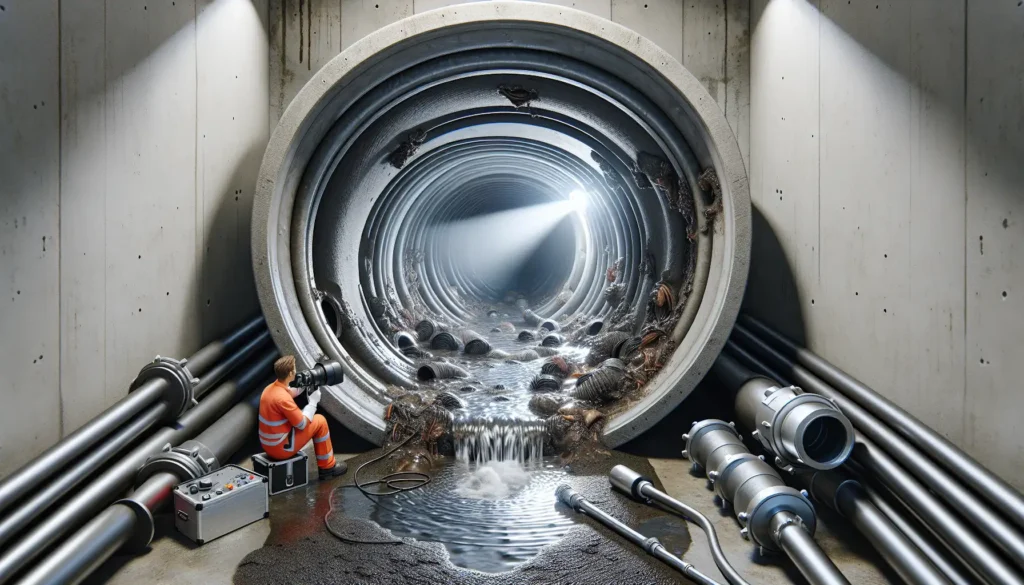
Experts use specialized cameras and equipment to identify the exact source of your blockage. (The Sewer Kings) They can then clear the line using hydro jetting or mechanical tools that are more effective than over-the-counter solutions. Want to know more about how the pros handle these tasks? Check out how do professionals clear drains?
Below is a quick rundown of key signs worth remembering if you suspect your main line is in trouble:
- Multiple drains run slowly at once
- Unpleasant, persistent sewer odors
- Gurgling or popping noises from pipes
- Backups or water pooling in different fixtures
- Sewage or water seeping at the cleanout port
Choosing to ignore a clogged main line could lead to widespread damage and health complications from wastewater exposure. If you think the clog is progressing or you have spotted standing water in your yard, do not wait for it to worsen. Knowing do i need a plumber to unclog a drain? can put you on the best path to a thorough fix.
Preventing future blockages
Once your line is clear, it helps to establish regular maintenance habits. Grease, food debris, and even “flushable” wipes can accelerate buildup. A professional inspection every year or two can catch potential issues quickly and save you from bigger headaches later on. For routine maintenance in sinks, try using strainers to collect food scraps, and avoid putting cooking oil down the drain. If you want more information, see how often should drains be professionally cleaned?
For those bigger questions about your overall plumbing health, you might also wonder what is the difference between drain cleaning and sewer cleaning? Understanding each approach helps you pick the right service at the right time, preventing repeated clogs and safeguarding your home’s pipes.
Protect your home and peace of mind
A clogged main sewer line is not something to brush off. Slow drains, rancid smells, odd gurgles, multifixture backups, and water near the cleanout are all signals the flow of waste has been interrupted. If you see a pattern of these signs, consulting a professional sewer service is your best move.
In Evesham, NJ, quick intervention can make a big difference in both repair cost and convenience. A proactive stance keeps your home’s plumbing on track, ensuring that wastewater flows away as it should. By spotting the early warnings and seeking the right help, you keep your home safe, efficient, and prepared for daily life.