
You may not think about your main sewer line until you face a backup or a sudden spike in water bills. Still, understanding where this crucial pipe sits on your property can save you time, money, and stress. Proper sewer line maintenance starts with knowing your line’s location and staying ahead of potential problems. So, where is the main sewer line typically located? Let’s explore the common places you might find it, how to pinpoint its exact path, and why this knowledge matters if you’re a homeowner in Evesham, NJ or anywhere else.
Understand your main sewer line
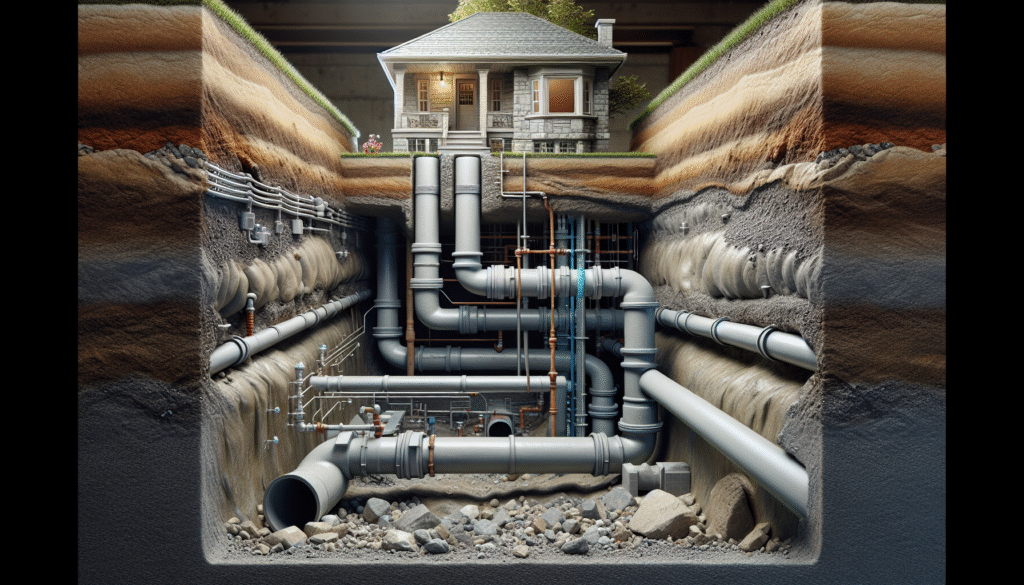
Your home’s main sewer line is the pathway that channels all wastewater away from the house and into either a municipal sewer system or a septic tank. It typically begins where all indoor drains converge in your basement or crawl space, then extends underground until it reaches the main sewage system or a private septic unit. According to experts, the line is often buried 4 to 6 feet deep to protect against damage and freezing, though local codes can adjust that depth. (John’s Sewer & Drain Cleaning)
Because all of your sinks, toilets, and laundry systems connect through this pipe, any issue along the way affects the entire home. Any sign of a clog or leak can point back to the main sewer line, so learning its typical location is a smart move for preventing bigger headaches down the road.
Check indoors for cleanouts
One of the simplest ways to locate the main sewer line is to check inside your home for a cleanout. A cleanout is a capped pipe, approximately four inches in diameter, used by plumbers or homeowners to clear clogs. In many homes, you’ll find the cleanout in the basement, crawl space, or utility area.
Look around for: • A T- or Y-shaped pipe with a screw cap.\
• A pipe often near the laundry area or near basement bathrooms.\
• A marking or label that identifies it as a cleanout.
If you don’t spot one indoors, don’t panic. Not every home has an indoor cleanout. Some properties, especially older ones, only have an outdoor access point. (Mr. Rooter Plumbing)
Look outside your foundation
If your indoor search hits a dead end, head outside. The main sewer line typically exits through the foundation and extends beneath the yard or driveway, eventually connecting with the municipal sewer or leading to a septic system. This section is also where you’ll often find another cleanout pipe. Look for a short, capped tube near your home’s exterior wall or near the curb. (John’s Sewer & Drain Cleaning)
Sometimes, the outdoor cleanout is hidden under landscaping or buried by dirt and mulch. You might need to dig a little, especially if you suspect it’s near a flower bed or an overgrown portion of the yard. If you still can’t spot it, consult any property records or municipal sewer diagrams that might show the path of public sewer lines. Tracking how your drains connect to the municipality can give you a solid clue about where your private line runs. And if you’re having a tough time pinpointing it, you can also explore whether does 811 locate sewer lines? is an option in your region for underground utility marking.
Know your local regulations
Different states and municipalities have specific rules for how deep and where sewer lines can be buried. In Virginia, for example, gravity sewers must be placed deeply enough to avoid ice blockages and to protect the wastewater flow (Virginia Administrative Code). In many places, sewers should follow public rights-of-way such as streets or alleys. If lines need to cross private property, official easements are typically required.
Regulations also govern horizontal spacing between water mains and sewer lines to prevent contamination, often requiring at least 10 feet of separation. (Virginia Administrative Code) And you’ll find manholes at planned intervals so crews can inspect, maintain, or repair the lines more easily. Even if you’re not in Virginia, knowing that these rules exist can help you grasp why your sewer line is likely in a specific area or at a certain depth.
Consider typical sewer challenges
Main sewer lines can face a variety of problems, many of which boil down to their location and environment. If your line is buried near large trees or shrubs, roots may push through older clay or Orangeburg pipes and cause blockages or collapses. This often leads to recurring backups or even standing water in your yard. In newer homes with PVC lines, you may see fewer root intrusions, but freezing temperatures and shifting soil can still cause damage. (The Sewer Kings)
A few location-based challenges you might face include:
- Overgrown landscaping hiding your outdoor cleanout.
- Sewer odors or damp patches on your lawn, which could indicate a leak.
- Concrete driveways or patios built over the main line, complicating repairs.
- Poorly installed lines that don’t meet local codes, leading to frequent clogs.
If you wonder “does every home have a sewer line?” or “how do i find out if my drain is shared?” you can learn more about different configurations and municipal setups for drainage and waste removal. Checking these details helps you plan for potential repairs before they become urgent.
Plan your next steps
Once you know where the main sewer line is typically located, it’s wise to keep a clear record of it. If you ever need excavation or line repair, having this information handy will speed up the process. You also reduce the risks of digging in the wrong spot and damaging pipes accidentally. Staying on top of sewer line maintenance helps you catch small issues before they turn into expensive emergencies.
Here are a few ways to move forward:
Map it out.\
Mark the line on a property survey or keep a digital note with clear measurements. You’ll thank yourself during future renovations or landscaping projects.Schedule an inspection.\
If you suspect your main sewer line is compromised or you want confirmation of its location, a professional sewer camera inspection can be invaluable. This reveals any cracks, blockages, or root intrusions.Know your local resources.\
If you’re curious about utility locators and how they can help, consider whether does 811 locate sewer lines? in your area. Also, ensure you’re up to date with municipal requirements in Evesham, NJ, or whichever township you call home.Explore shared drains.\
In some neighborhoods, multiple houses might share a larger sewer line segment. If you want to clarify whether this is the case, see how do i find out if my drain is shared?.Check alternative lines.\
Maybe you suspect you have another waste line or you’re not sure how your property’s sewer line runs. Read more on how can i find out where my sewer line runs? to discover smart research methods and expert help.
Keep in mind that not all homes have an indoor sewer cleanout, or any functional cleanout at all, making professional assistance even more crucial when a problem arises. This is especially true if your underground pipe sits beneath concrete or heavily landscaped areas.
Locating your main sewer line is all about being proactive. Once you know exactly where it lies, you eliminate guesswork when issues pop up. If you suspect clogs, contact a local plumber or excavation service sooner rather than later, getting ahead of the problem can spare your yard, foundation, and wallet from unnecessary strain.