


What Two Clogged Toilets Are Telling You
Two toilets clogging at once almost always means a shared drain is blocked, not two separate problems. The clog is usually in a branch line or the main sewer line. Learn how to tell which one and what to do, and see our sewer blockage clearance service when you need it cleared.
This post covers the common causes, a simple test you can run at home, and when to stop and call a pro.
Why Do Two Toilets Back Up at the Same Time?
Because they share a drain. Every toilet in your house drains into a branch line, and the branch lines drain into one main sewer line. A clog downstream of two toilets hits both of them.
A blocked branch line
If the two toilets sit on the same floor or back to back, they likely share a branch. A pile-up of paper or wipes in that branch slows both. Other fixtures on that branch, like a sink or tub, may gurgle too.
A blocked main sewer line
If toilets on different floors clog, or a tub or floor drain backs up as well, the main line is the likely problem. Everything in the house drains through it, so a blockage there shows up in the lowest drains first.
A blocked vent stack
Vent pipes let air into your drains. When one is blocked, toilets flush slowly and gurgle. It is less common, but it can look like a clog.
The key is the pattern. One slow toilet points to a local clog. Two or more toilets, or a toilet plus a tub, point to a shared line. The more fixtures affected, the closer the clog is to the main line.
It also helps to notice timing. If both toilets slowed down right after a big laundry day or a house full of guests, extra water and paper may have pushed a weak spot over the edge. If it came on slowly over weeks, roots or buildup are more likely.
What Causes a Shared Drain to Clog?
Most shared-drain clogs come from a short list of causes.
Wipes and paper products
Wipes do not break down like toilet paper. Utilities across the country blame them for tangled clogs in home sewer lines and city mains.
An NBC Philadelphia report on flushable wipes found that wipes labeled flushable cause problems in sewer systems nationwide. The EPA also says to flush only toilet paper.
Tree roots
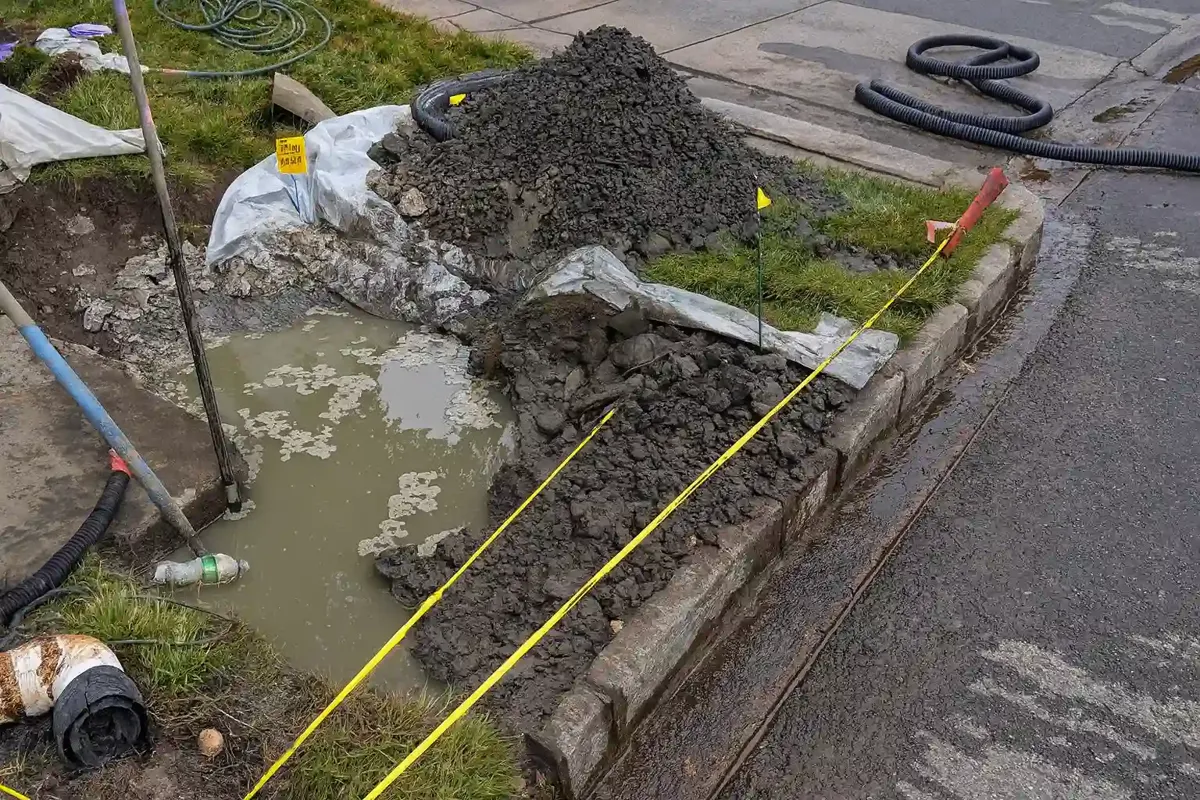
Roots slip into tiny cracks and joints in older pipes. Once inside, they grow into a net that catches paper and waste. This is a top cause of repeat main-line clogs.
Grease, buildup and damaged pipe
Grease and scale narrow the pipe over time. A cracked, sagging or collapsed section can also hold water and waste, so clogs keep coming back.
Older homes carry extra risk. Clay and cast iron pipes crack, shift and rust with age, and each rough spot catches paper. A line that worked for decades can start to fail when roots find one small gap.
Low-flow toilets add to the problem. Under the federal standard, new toilets use no more than 1.6 gallons per flush, and EPA WaterSense models use 1.28 or less. That is less water to push waste through a pipe that is already narrowed.
You can read the standard on the EPA WaterSense toilets page.
How Do You Tell a Branch Clog From a Main Line Clog?
Run a quick test before you call anyone. Stop using water first, then follow these steps.
Check the lowest drain
Look at the tub or shower and any basement floor drain. If they are slow or hold water after a flush, the main line is likely blocked.
Run the water and watch
Run a sink on its own. If the water drains fine but a toilet flush makes the tub bubble or rise, the blockage is past the point where those lines join.
What our crew sees in South Jersey
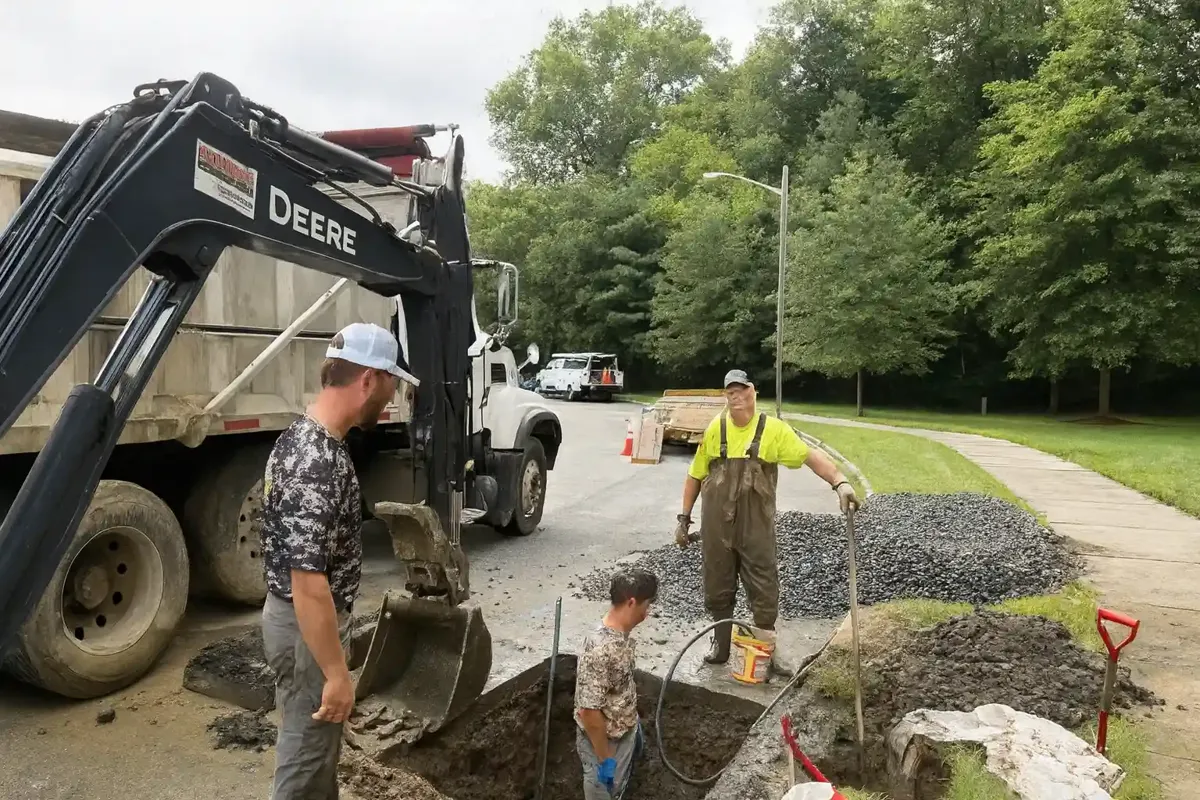
Our crew works on sewer lines in Evesham and across South Jersey every week. Homes with older clay or cast iron lines and mature trees nearby are the ones most likely to call us about more than one toilet backing up. A camera inspection shows exactly what is in the pipe, so we fix the real cause and not just the symptom.
Should You Plunge It or Call a Pro?
Plunge once or twice if only the two toilets are slow and no other drain is affected. A plunger can clear a paper clog in a branch line.
Call a pro if plunging does nothing, if a tub or floor drain backs up, or if the problem returns within days. Do not pour chemical cleaners into a backed-up line. They sit in the pipe and can hurt you or the plumber.
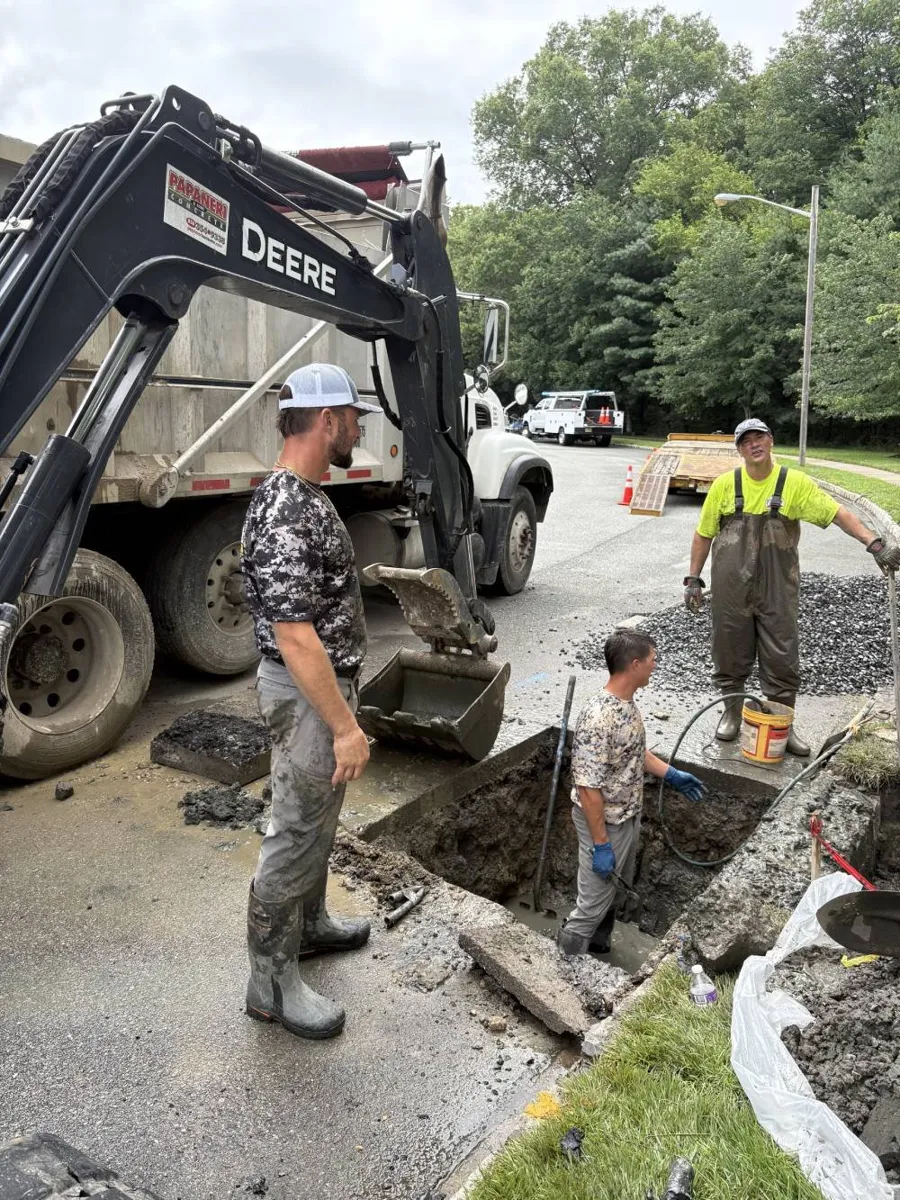
A pro can clear the line with a cable machine or hydro jetting, then confirm the pipe is sound. Learn more in our posts on how to spot a clogged main line, what causes a main sewer line backup and why a toilet gurgles.
Ask any pro what they do first and the answer is the same: find out where the clog is before cutting into anything. A camera shows the pipe, the clog and any damage, so you only pay to fix what is actually wrong.
Prevention is cheap by comparison. Flush only toilet paper, keep grease out of drains, and have a camera inspection done if you have an older line or large trees near it. A small root problem is far easier to clear than a collapsed pipe.
If water is coming up through floor drains or the toilets overflow, shut off water use and call right away. Raw sewage is a health risk.
Frequently Asked Questions
Why are two toilets clogged but the sink is fine?
The toilets likely share a drain that is blocked, while the sink uses a different branch or empties above the clog. It can still be the main line, so check the lowest drain in the house. If it is slow too, call a pro.
Can a main sewer line clog make two toilets back up at once?
Yes. Every drain in the house feeds the main line, so a blockage there backs up the lowest and closest fixtures first. Toilets, tubs and floor drains often show it. Homeowners in Evesham, NJ and nearby towns see this often with older lines.
Is it okay to keep flushing if one toilet still works?
No. Each flush adds water to a blocked line and can send sewage up through the lowest drain. Stop using water until the line is cleared.
Two Toilets Backed Up in South Jersey?
The Sewer Kings clears and repairs sewer lines in Evesham, NJ and across South Jersey. Call us and we will find the clog and fix it.
Call (856) 626-9366 today.