
How to Prevent Frozen and Cracked Drain Lines in a Cherry Hill Winter

5.0
& Yelp Reviews


Book A Free Estimate
Submit your information below.

Our Reviews

Why South Jersey Trusts The Sewer Kings


Book A Free Estimate
Submit your information below.
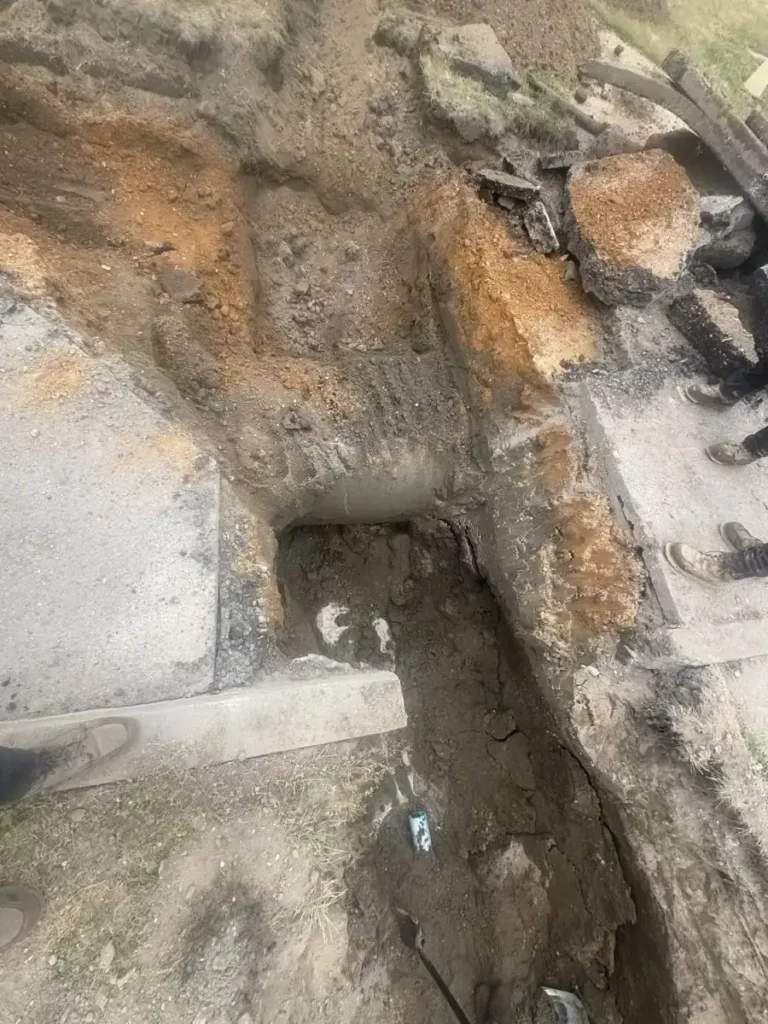
Winter Finds the Weak Spots in a Drain Line
Most people worry about frozen water pipes in winter. Drain lines get less attention, but they can freeze and crack too, and the damage often stays hidden until spring.
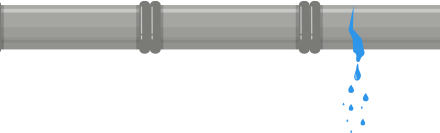
A cracked drain leaks every time you run water. Left alone, it soaks the soil or the framing around it and slowly gets worse. When that happens, drain repair in Cherry Hill Township fixes the broken section so the leak stops for good.
This guide from The Sewer Kings covers where drain lines are most likely to freeze and how cold weather cracks pipe. It also covers what you can do in the fall. Most of the prevention steps cost little or nothing.
Cherry Hill Township winters bring freezing nights, thaws, and then freezing again. That back and forth is what makes winter so tough on pipe that is already old or poorly protected.
Where Drain Lines Are Most Likely to Freeze
A drain line only freezes where water sits still long enough to turn to ice. Moving water rarely freezes, so the trouble spots are the places where water lingers.
Pipe in Unheated Spaces
Drain pipe running through a garage, crawl space, or unheated addition sits in cold air all winter. A trap or low spot in that pipe can hold water that freezes solid.
Sags in a Buried Line
A section of pipe that has sunk holds a small pool of water after every use. If that low spot sits near the surface, the standing water can freeze and block the line.
Exposed Outdoor Pipe
Short runs of pipe that come out of a wall or run above ground before going underground have no soil to protect them. These are some of the first spots to freeze.
Lines Used Rarely
A drain in a guest bath, a vacation home, or a basement that sits unused may hold water in its trap for weeks. Cold air near that fixture can freeze it.
How Cold Weather Cracks Drain Pipe
Water grows as it freezes. When ice forms inside a pipe with nowhere to go, it pushes on the pipe wall until something gives.
Drain lines have one advantage over water supply lines. They are not under constant pressure, so they usually empty after each use. The danger comes from the places where they do not empty all the way, which is why traps, sags, and slow sections matter so much in winter.
Older pipe is the most at risk. Cast iron that has thinned from rust and clay with worn joints have less strength left to resist that pressure.
The ground itself moves too. Soil that freezes and thaws over and over can shift a buried line, which puts stress on joints and can open a crack.
Cracks do not always show right away. A small split may leak only a little at first, then grow wider with every freeze and thaw.
Plastic pipe is not immune. It bends more than clay or cast iron, but a pipe that is poorly supported or already sagging can still split under a hard freeze.
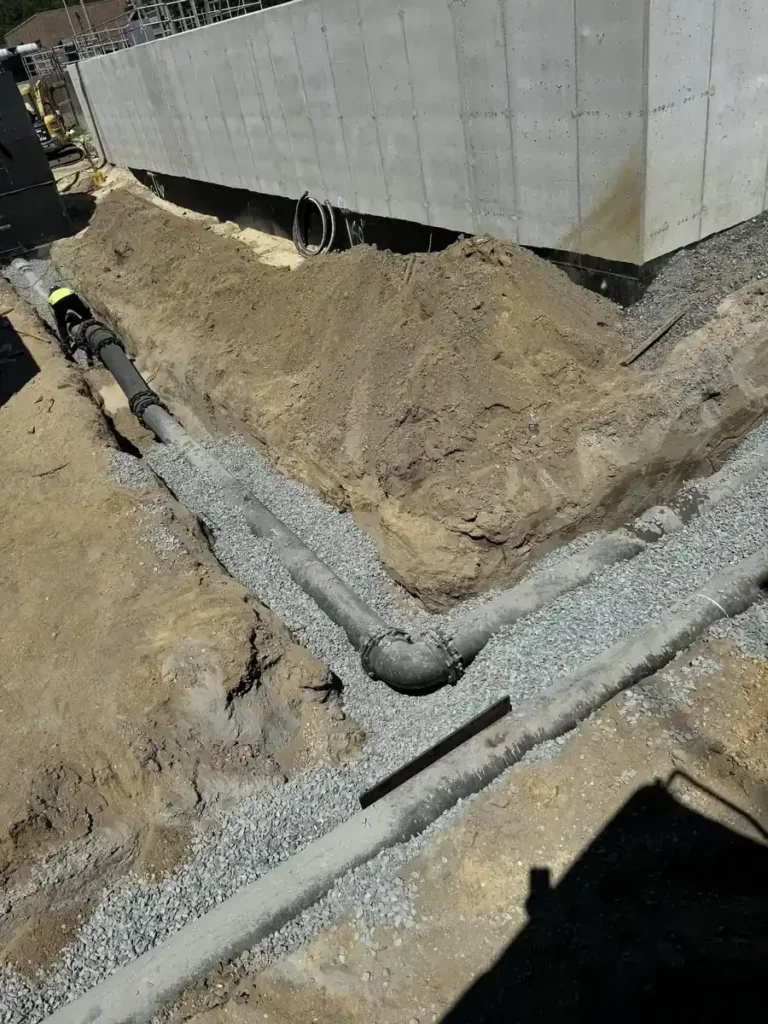
Simple Steps to Protect Your Drain Lines Before Winter
Preparing your home for cold weather protects every pipe in it. Ready.gov recommends insulation, caulking, and weather stripping to keep cold out, and points homeowners to steps that keep pipes from freezing.
Insulate Exposed Drain Pipe
Foam pipe insulation on drain lines in garages and crawl spaces slows heat loss. Pay extra attention to traps and bends where water sits.
Seal Cold Air Leaks
Gaps around foundation vents, rim joists, and pipe openings let cold air blow right onto plumbing. Sealing them keeps those spaces warmer.
Keep Garage Doors Closed
An attached garage with drain pipe inside stays much warmer with the door shut. Leaving it open on a cold night invites a freeze.
Run Water in Unused Fixtures
Running water through rarely used drains now and then keeps fresh water in the trap and lets you spot a slow drain early.
Outdoor hoses matter too. Disconnect them in the fall so water does not back up into the wall where the hose bib meets the house.
Fix slow drains before the cold sets in. A line that drains slowly holds water longer, and that standing water is exactly what freezes. A fall cleaning or a camera look at a sluggish line is a small job compared to a cracked pipe in January.
What to Do If a Drain Line Freezes or Cracks
If a drain stops working during a cold snap, stop using it. Pouring more water into a frozen line only adds to the ice and can push water out through a crack.
Never use an open flame on pipe. Gentle warmth in the space around the line is safer, and if you cannot reach the frozen spot, call for help.
Watch closely after the thaw. Damp spots, musty smells, water stains, or a drain that gurgles when it used to run quiet can all mean the ice left a crack behind.
Check the spots that are easy to forget. Look under sinks on outside walls, in the garage, and along any pipe you can see in the crawl space. A little water on the floor near those pipes is worth a closer look.
The Sewer Kings runs a camera through the line to find cracks that are hidden inside walls or underground. We then open only the spot that needs repair.
Once a line is flowing again, keep an eye on how fast it drains. Our guide on what causes recurring drain clogs in Cherry Hill homes explains why some lines keep backing up even after they are cleared.

FAQs
Frequently Asked Questions About Frozen and Cracked Drain Lines in Cherry Hill
Yes, drain lines can freeze in New Jersey winters. The risk is highest where water sits in a trap or sag and the pipe runs through a cold garage, crawl space, or shallow ground.
Look for damp spots, water stains, musty smells, or a sewage odor after a thaw. A camera inspection shows the crack from inside the pipe, even when it is buried or behind a wall.
Pouring a lot of water into a frozen drain is not a good idea. If the line is fully blocked, the water just sits on top of the ice and may leak through a crack. Call a professional if the line stays frozen.
Worried About Winter Damage to Your Drains?
The Sewer Kings is a family-owned crew serving Cherry Hill Township. We are licensed, bonded, and insured, and we answer 24 hours a day when a line gives out on a cold night.
Call us for a free estimate and a camera look at any drain that gave you trouble this winter.