Drain Field Replacement in Evesham, NJ





Your Drain Field Has Failed and Your Yard Is Telling You
When a drain field stops working, the signs are hard to miss. Standing water over the field. Sewage smell in the yard. Toilets that barely flush. These are not minor problems. They mean your septic system has lost its ability to treat and disperse wastewater.
The Sewer Kings replace failed drain fields for homeowners throughout Evesham and Burlington County. We handle the full process – soil testing, system design, permitting, excavation, and installation. When your drain field fails, you need a contractor who can start the replacement quickly and get it right.
Drain field replacement is one of the largest jobs in our septic system service lineup. It requires engineering, heavy equipment, and a deep understanding of South Jersey’s soil conditions. We have completed drain field replacements on properties of all sizes across the region.
A failed drain field does not fix itself. Every day you wait, untreated wastewater saturates your soil and creates a health hazard for your family and your neighbors.

Why Drain Fields Fail
A drain field is a network of perforated pipes buried in gravel trenches. Wastewater flows from your septic tank into these pipes and seeps into the surrounding soil. Bacteria in the soil break down the remaining waste. This process works for decades when the system is properly maintained.
Failure happens when the soil around the pipes can no longer absorb water. The most common cause is biomat buildup. Biomat is a layer of bacteria and organic material that forms on the trench walls over time. A thin layer is normal and actually helps treat wastewater. But when it grows too thick, water cannot pass through.
Overloading the system speeds up biomat growth. Running too much water through the tank sends partially treated waste into the field. Solids that should have stayed in the tank reach the drain field and clog the gravel bed. This is why skipping tank pump-outs leads directly to drain field failure.
Soil compaction is another common cause in the Evesham area. Driving vehicles or placing heavy structures over the drain field crushes the pipes and compresses the soil. Compressed soil loses its absorption capacity. Once that happens, no amount of pumping or treatment will restore it. The field needs to be replaced.
Root intrusion, grease contamination, and improper original installation also cause failures. In older homes across South Jersey, we frequently find drain fields that were undersized for the home or installed in soil that was never suited for the job. These systems were destined to fail regardless of maintenance.


How We Replace a Drain Field
Every drain field replacement starts with a soil evaluation. We test the soil at the proposed location to determine its absorption rate. This test, called a percolation test, tells us how fast water moves through the ground. New Jersey requires a passing perc test before any drain field permit is issued.
Once we have the soil data, we design the replacement system. The design accounts for your home’s daily water usage, the number of bedrooms, soil type, and available land. If your original field was undersized, the replacement gets built to the correct capacity. We submit the design to the Burlington County Health Department for permit approval.
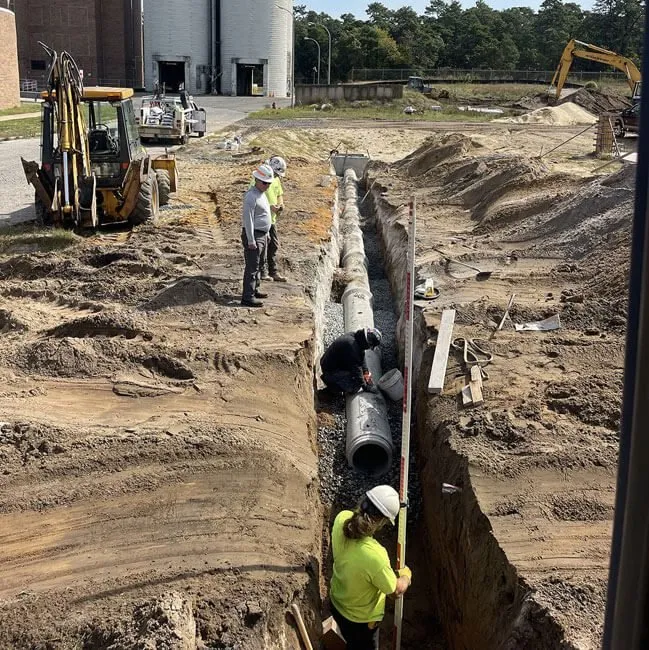
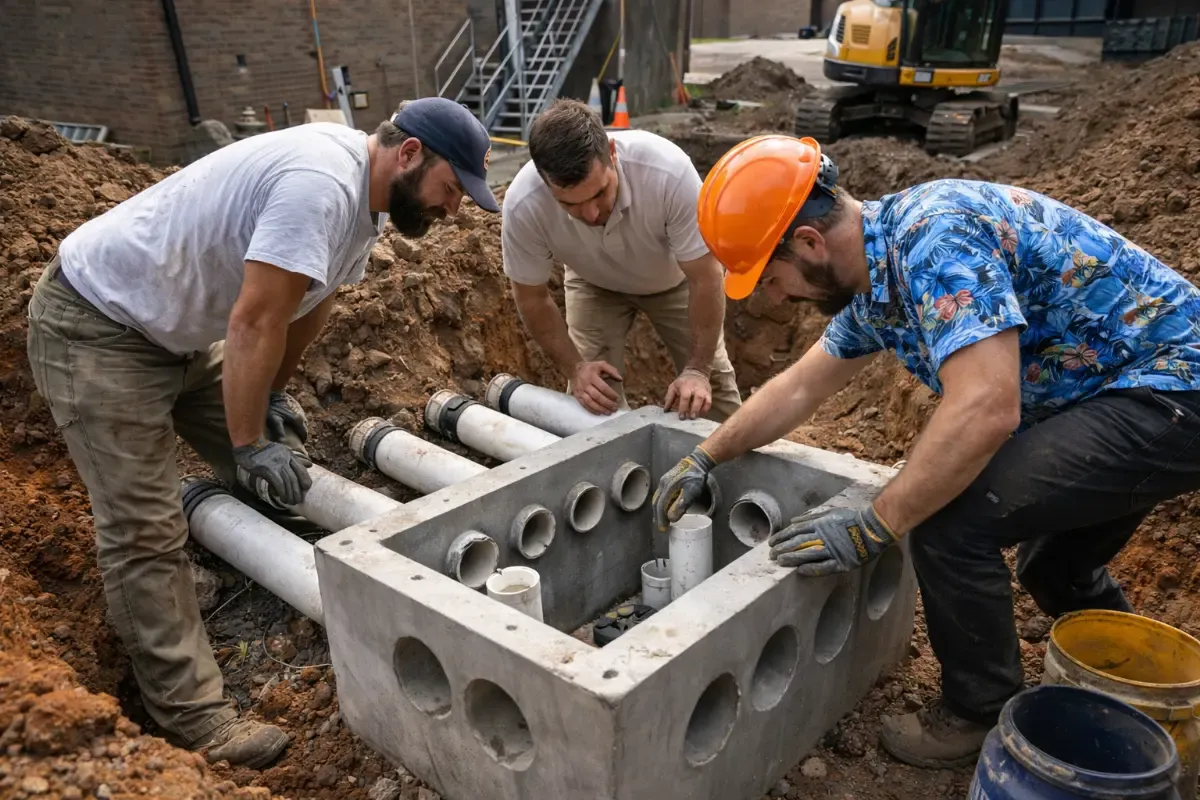
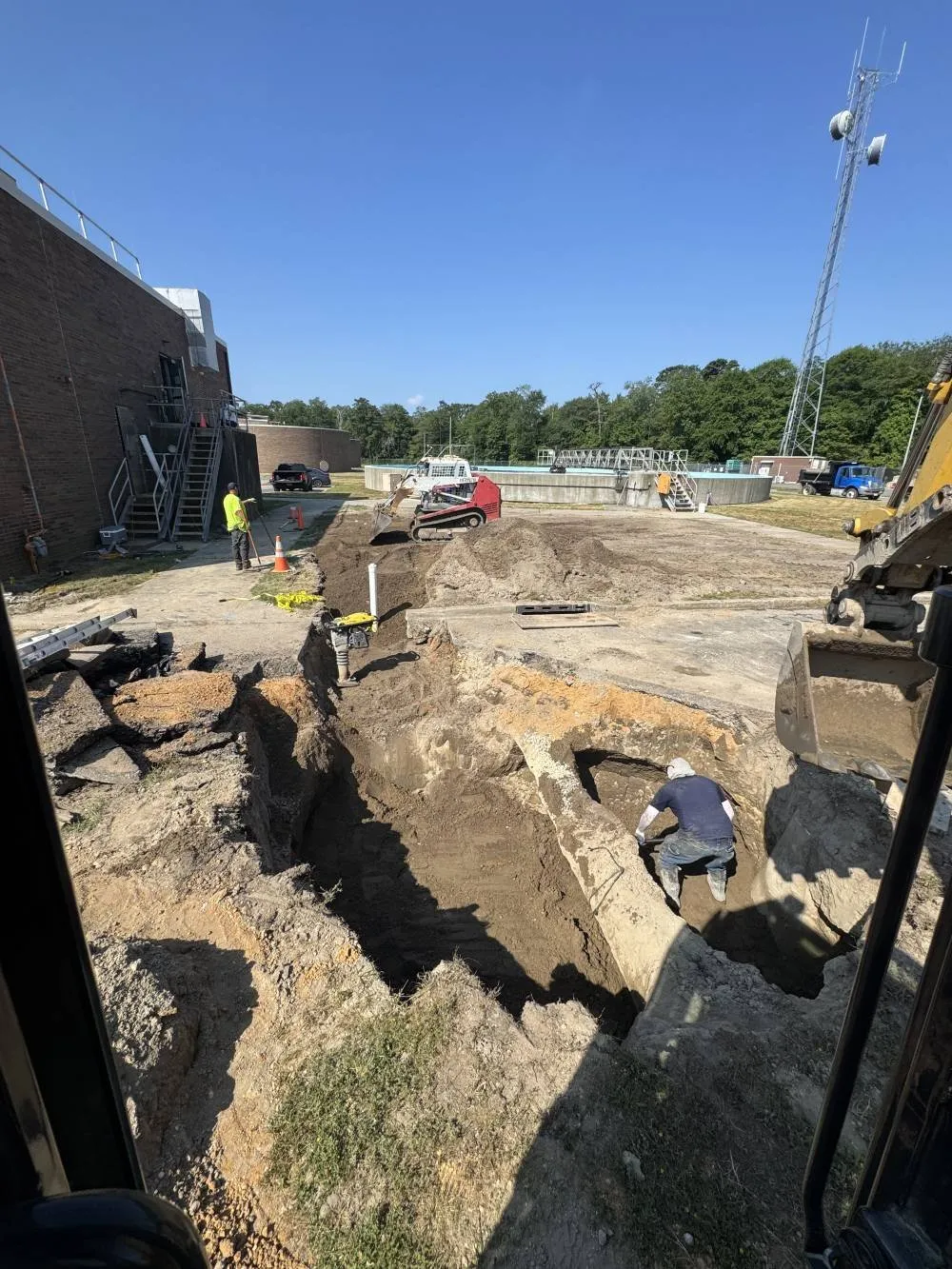
After permitting, we excavate the old drain field. All failed pipe, gravel, and contaminated soil are removed from the site. We grade the new trenches to the exact slope required for even wastewater distribution. New perforated pipe is laid in clean gravel, and the trenches are backfilled with approved material.
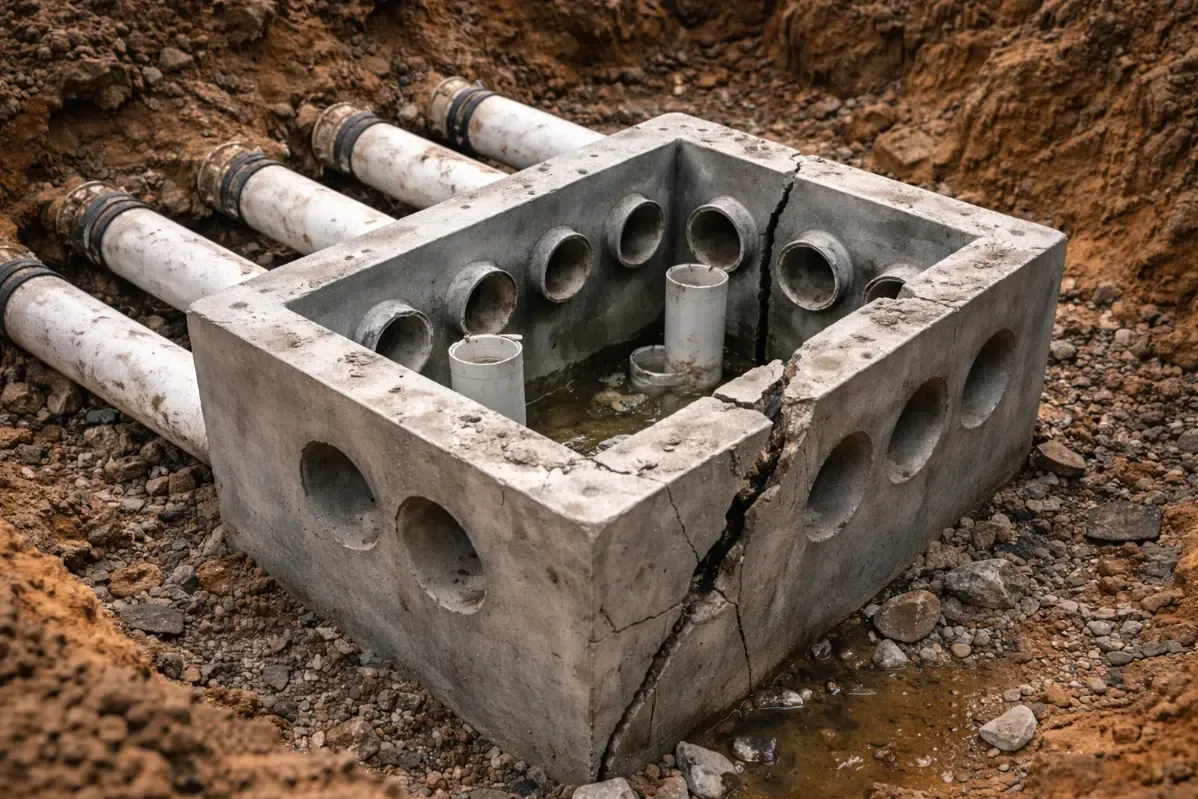
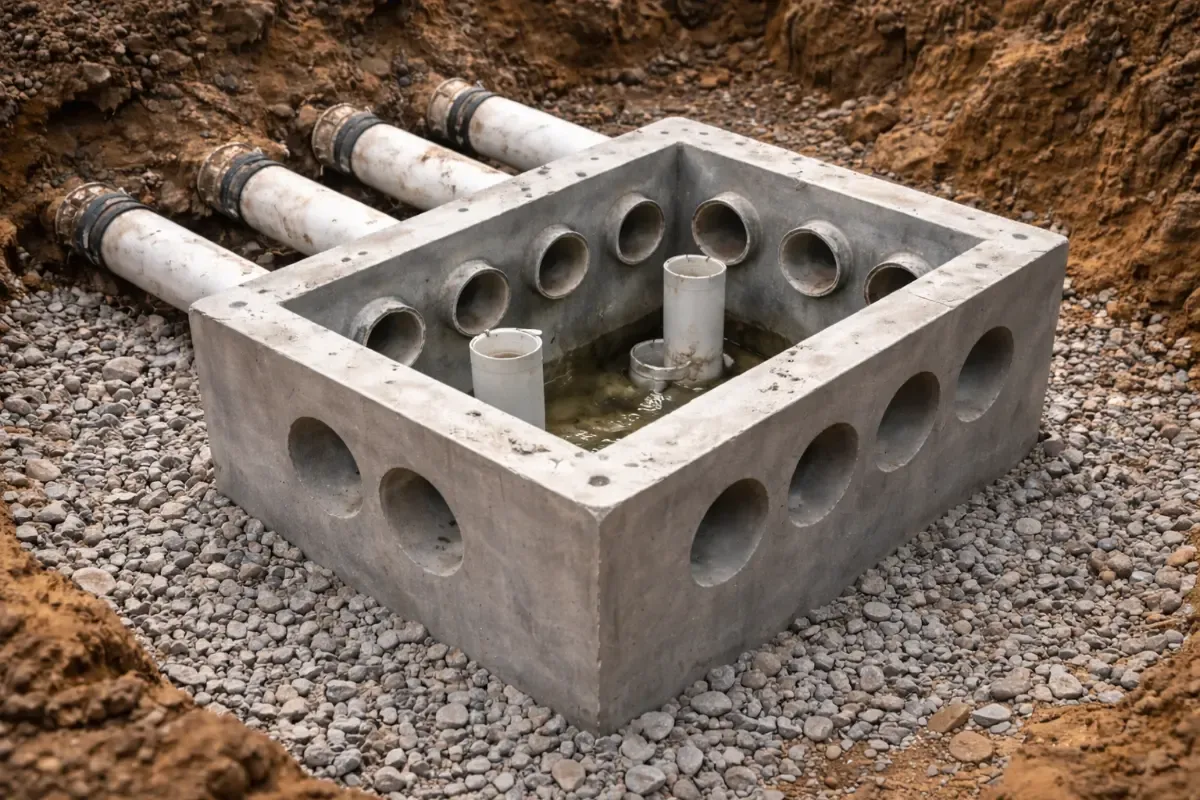
We connect the new field to your existing septic tank and distribution box. If the distribution box is damaged or outdated, we replace that as well. Once everything is connected, we run water through the system to verify flow and check every joint. The county inspector reviews the installation before we close the trenches.
The finished field is seeded or sodded to restore your yard. We mark the field boundaries so you know exactly where the system is. This helps you avoid parking, planting, or building over it in the future.
Signs You Need a Drain Field Replacement
Standing water or soggy ground over the drain field. When the soil can no longer absorb wastewater, it rises to the surface. You may see puddles or soft, muddy patches in the area where the field is buried. This standing water often has a noticeable sewage odor.
Bright green grass in strips or patches over the field. Wastewater is rich in nitrogen. When it pools near the surface instead of draining properly, it feeds the grass above. A section of yard that looks noticeably greener and thicker than the rest is often directly above a failing drain field trench.
Sewage backing up into the house after the tank was pumped. If your tank is empty and wastewater still will not drain, the problem is downstream. The field cannot accept any more water. This is the clearest sign that repair is not an option and full replacement is needed.
Persistent sewage odor in the yard. A working drain field processes waste underground with no smell at the surface. When the field fails, gases escape through saturated soil and reach the open air. If the smell returns shortly after a tank pump-out, the field is the source.
What Affects the Cost of Drain Field Replacement
Drain field replacement costs vary based on several property-specific factors. We provide detailed estimates after the site evaluation so you know exactly what to expect before any work begins.
System size is the biggest factor. A three-bedroom home needs a smaller field than a five-bedroom home. The number of bedrooms determines the required daily flow capacity under New Jersey code. Larger systems need more pipe, more gravel, and more excavation.
Soil conditions affect both design and labor. Sandy soil drains quickly and often allows a standard gravity-fed system. Clay-heavy soil or areas with a high water table may require a raised bed or pressure-dosed system. These advanced designs cost more because they need pumps, additional fill material, and more complex engineering.
Site access matters more than most homeowners realize. If the drain field area is behind a fence, near a structure, or on a slope, getting equipment in and out takes longer. Tight access adds labor hours and sometimes requires smaller equipment that works more slowly.
Permit and engineering fees are part of every replacement. Burlington County requires a licensed engineer’s design and a health department permit. These costs are fixed regardless of system size. We include them in our estimates so there are no surprises at the end of the project.
We walk you through every line item in the estimate. You will understand what you are paying for and why each component is necessary.
Why Choose The Sewer Kings for Drain Field Replacement in Evesham, NJ
Drain field replacement is a major project that demands the right contractor. The Sewer Kings have the equipment, licensing, and local experience to handle every step from soil testing to final inspection.
Licensed and Insured. We hold all required New Jersey septic contractor licenses and carry full liability coverage. Your property is protected throughout the excavation and installation process.
Full-Service Septic Contractor. We handle the soil testing, engineering, permitting, excavation, installation, and inspection. You deal with one company from start to finish instead of coordinating between multiple contractors.
RELATED SERVICES
Related Septic System Services in Evesham, NJ
Septic Tank Maintenance
Residential Septic Services
Septic Line Repair
FAQs
Frequently Asked Questions About Drain Field Replacement in Evesham, NJ