Top-Rated Septic Tank Installation - Serving South Jersey & Surrounding Areas

5.0
& Yelp Reviews

Book A Free Estimate
Submit your information below.

Our Reviews

Why South Jersey Trusts The Sewer Kings




What Our Experienced Septic Tank Installers Can Do for Your Property
What to Expect With Your Septic System Installation
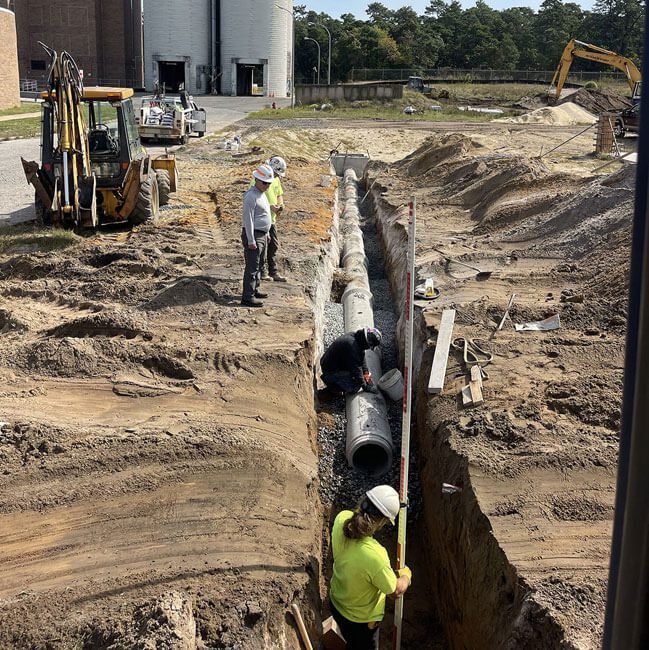
When you choose The Sewer Kings for your septic system installation, you’re working with certified experts who understand the unique soil type, soil test results, and zoning requirements throughout South Jersey. We manage every step of your septic project- from initial planning and engineering, including soil tests and system design, to excavation using heavy equipment and final system testing. Our team ensures your septic system is installed safely, efficiently, and with minimal disruption to your property, following all necessary permits and state regulations.
Our septic system installation services include:
PSMA Certified Inspectors
Our technicians follow industry-best practices for safe, code-compliant installs, including proper placement of septic filters, drain lines, and perforated pipe in the leach field.
Excavation and Site Prep
Complete digging, trenching, and backfilling using heavy equipment, with clean-up included to prepare your site for the septic tank and drain field installation.
Concrete or Poly Tank Options
We install both traditional concrete tanks and lightweight poly tanks based on your property’s needs and soil conditions.
Drain Field or Leach Field Installation
Properly sized and placed leach fields with gravel or chamber systems for optimal wastewater absorption and treatment of solid waste.
Pump and Alarm System Integration
Optional pump systems and alarms for enhanced monitoring and pump-assisted flow, ensuring your septic system operates efficiently.
Transparent Pricing
No surprises, no upsells- just honest, upfront pricing to help you save money on your septic project.
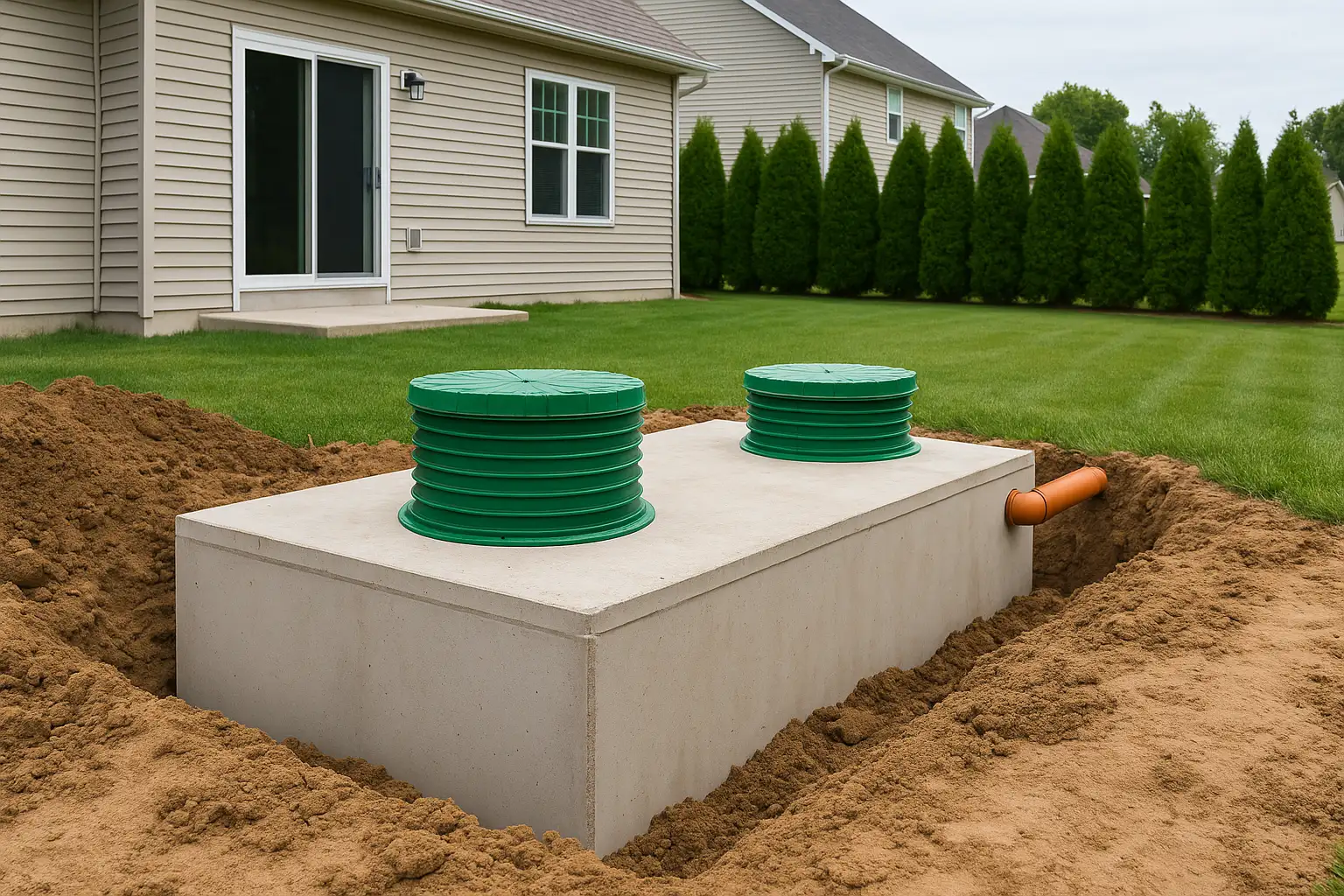
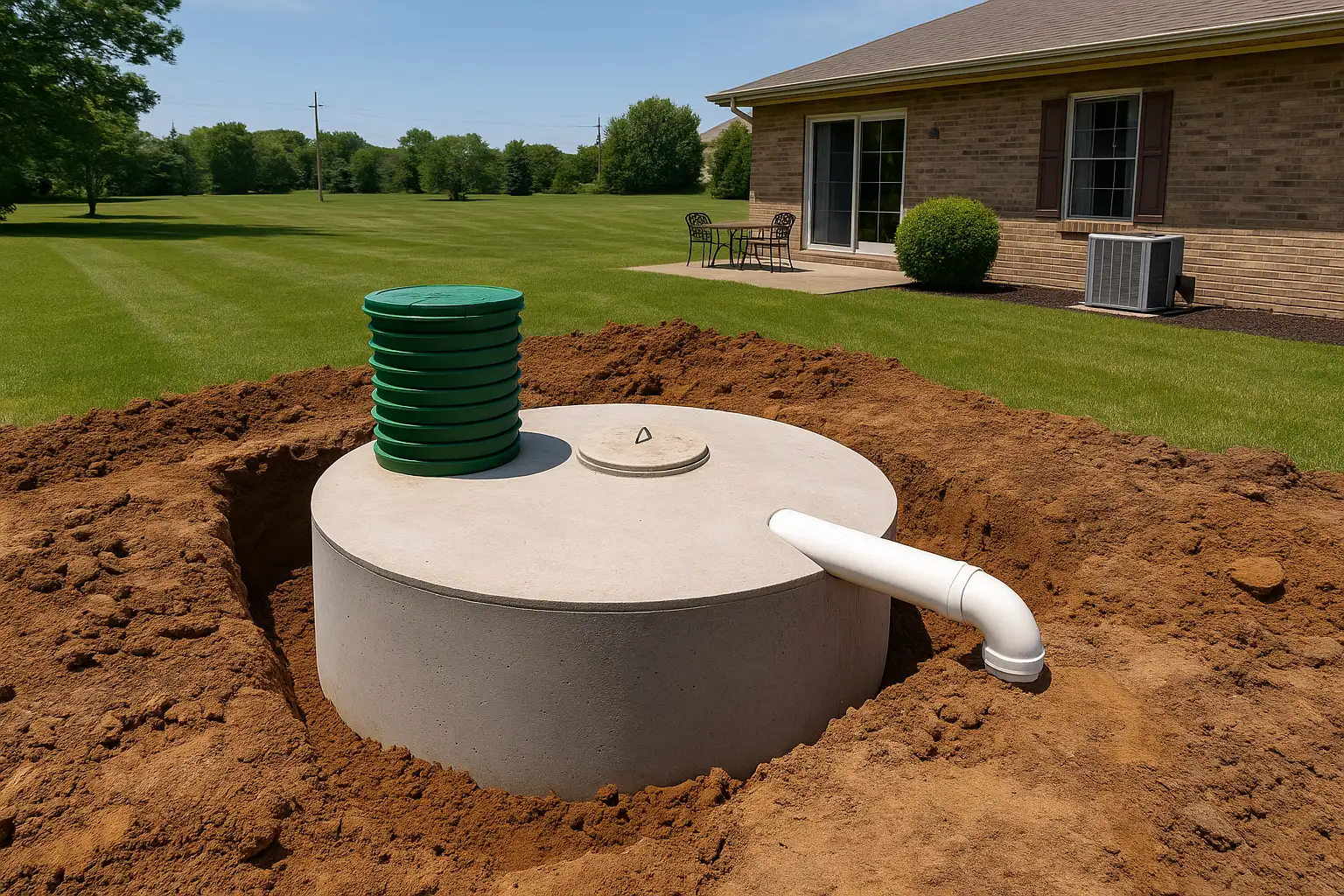
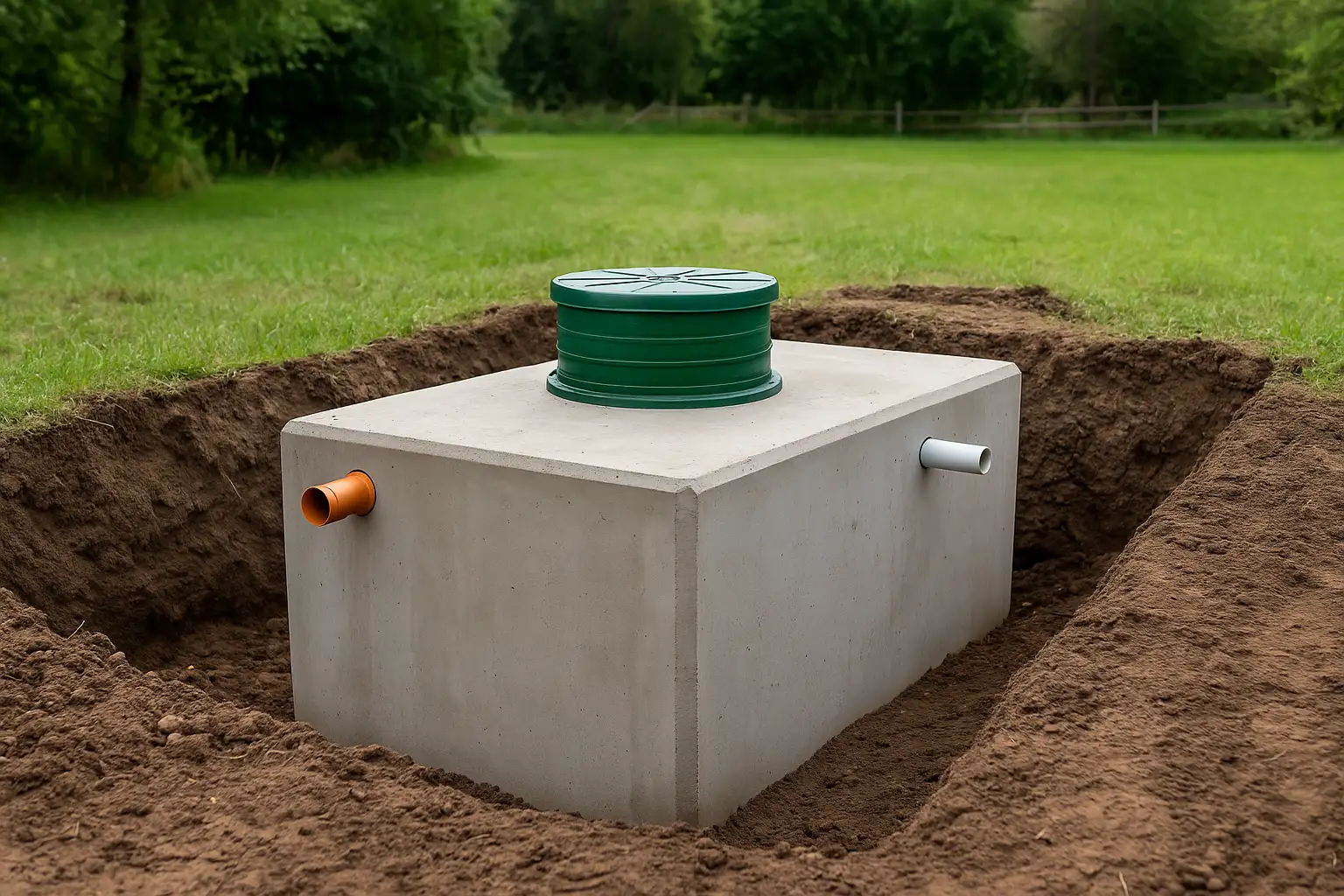
Need a New Septic Tank Installed? Don’t Trust Just Anyone With the Dirt.
Whether you’re building a new home or replacing a failed system, septic tank installation isn’t something you want done halfway. A poorly installed system can lead to sewage backups, groundwater contamination, soggy yards, and thousands of dollars in repairs, not to mention a serious headache for you and your family.
Too often, homeowners get stuck with low-bid contractors who rush the job, skip the permitting process, or install the wrong size system for the property. The result? Problems start showing up months later when it’s too late to undo the damage.
At The Sewer Kings, we don’t just dig holes, we install septic systems the right way from day one. Backed by generations of excavation and underground utility expertise, we handle every step of the process: precision excavation, proper drainage, and final inspection. You’ll get a system that works reliably for years, installed by professionals who treat your property like it’s their own.
Don’t gamble with your ground. Call The Sewer Kings for expert septic tank installation in South Jersey, done once, done right.

Our Process
Our Septic Tank Installation Process

Get in
Touch

Call us 24/7 or fill out our online form. Whether it’s an emergency or a routine issue, we respond fast.


Fast
Estimate

We’ll provide a free estimate over the phone for basic jobs or schedule an on-site inspection for more complex projects.
Approve &
Schedule

Once you approve the digital quote through Jobber, we’ll get your job scheduled—no back and forth or surprises.
We Get
to Work
Our licensed, insured team arrives on time, completes the work with precision, and follows up to ensure you’re 100% satisfied.
Why Choose Us
Why South Jersey Homeowners Trust Us for Septic Tank Installation
Real
Experience
Backed by years in sewer, septic, and excavation work - we bring hands-on expertise to every job, big or small.
Licensed, Bonded
& Insured
Fully licensed, bonded, and insured for peace of mind. We meet all state and municipal standards - and then some.
24/7 EMERGENCY
SERVICE
Sewer disasters don’t wait, and neither do we. Our team is available around the clock to handle urgent issues fast.
Family-Owned
& Trusted
Built on integrity and hard work. We treat every project like it’s our own property — with care, precision, and no shortcuts.





FAQs
Septic Tank Installation FAQs
Installing a septic tank in New Jersey typically costs between $7,000 and $30,000, depending on soil conditions, tank size, system type, and site complexity. Permit fees add another $200 to $1,500, with inspections and design plans also affecting the total price.
Homeowners in New Jersey may be allowed to install their own septic systems on single-family properties, but it is not generally recommended due to the complexity and strict regulations involved. Most opt to hire licensed professionals to ensure compliance with local health department rules and proper installation standards.
The current regulations require all septic system installations and repairs to have permits approved by local health departments, featuring detailed plans prepared by licensed professionals. Systems must meet construction standards set by the NJDEP, including tank capacity based on bedrooms and strict setback and material requirements.
A well-maintained septic tank in New Jersey can last 30 to 40 years or more, depending on the material used, soil conditions, and regular pumping. Neglect or damage can significantly shorten its lifespan.
A 1,000-gallon septic tank generally costs between $600 and $2,000 depending on the material (plastic, concrete, or fiberglass) and manufacturer. Installation and permitting costs are additional.
Septic tanks should be pumped every 2 to 3 years to prevent solids from clogging the drain field and causing system failures. Regular inspections can help identify the best schedule based on usage and tank size.
The main types are: conventional septic systems, suitable for normal soil conditions and space; mound systems, used in areas with poor soil or high water tables; and aerobic treatment units (ATUs), which use oxygen to break down waste more efficiently in restricted or sensitive sites.
When a septic system is no longer in use, decommissioning (or removal) is required to prevent contamination and comply with health regulations. Proper decommissioning involves pumping out the tank, disconnecting it, and sometimes physically removing or filling it with inert material.
Conventional septic systems tend to be the cheapest to install since they rely on gravity drainage and standard soil absorption fields. Alternative systems like mound or aerobic units generally cost more due to specialized equipment and design.
Concrete tanks are heavier and more durable, making them suitable for larger installations or areas with unstable soil, while plastic tanks are lighter, easier to install, and more resistant to cracking but may be more vulnerable to flotation in high groundwater. The best choice depends on site conditions, budget, and longevity needs.