

Sewer Line Repair vs. Replacement: What’s the Real Cost Difference?
The Short Answer on Repair and Replacement Prices
A typical sewer line repair costs $2,500 to $4,000. A full replacement costs $3,000 to $7,000, and 2026 cost data puts the national average near $3,320. A small spot repair can land under $1,500.
The gap looks smaller than most homeowners expect. That is the part worth understanding, because a cheap repair on a failing pipe is money you spend twice.
The Sewer Kings quote both jobs from camera footage, never from a guess at the curb. What the camera shows is what decides the number.
Here is what drives each price, how contractors choose between them, and the threshold where replacing the line becomes the cheaper move. If your line is already failing, start with a sewer line repair assessment before you price anything else.
How Much Does a Sewer Line Repair Cost?
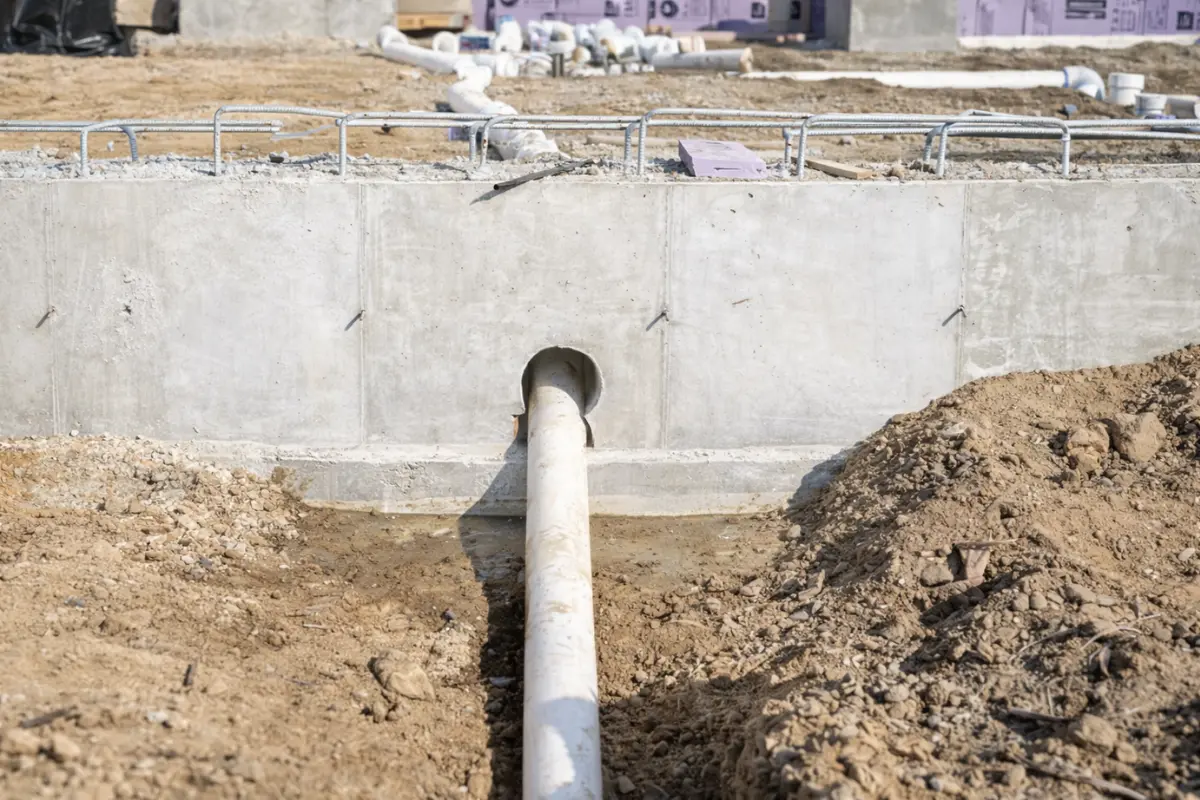
A sewer line repair fixes one damaged section and leaves the rest of the pipe in place. Most jobs run $2,500 to $4,000, and a small spot repair with easy access can come in at $1,000 to $2,500.
The work is straightforward. The crew locates the defect, digs a small access pit, cuts out the bad section, and joins in new pipe. Backfill and cleanup finish the day.
When a repair is the right call
Repairs make sense when the damage sits in one place and the rest of the pipe is sound. A single crack, one crushed section, or one joint pulled apart by roots all repair cleanly.
What drives the price up
Depth is the biggest factor. A line eight feet down costs far more to reach than one at three feet. Concrete, driveways, mature trees, and city permits each add to the total.
Repair methods and what they cost
A dig-and-replace section is the most common fix and the most predictable price. Pipe lining costs more per foot but skips the trench, which pays off under a driveway or a finished patio.
Ask for the camera footage before you approve a repair. If the same defect shows up in three places, you are not looking at a repair job anymore.
Get the quote in writing with the repair length spelled out. A bid for one section and a bid for twenty feet of pipe are different jobs, even when the headline number looks close.
How Much Does a Full Sewer Line Replacement Cost?
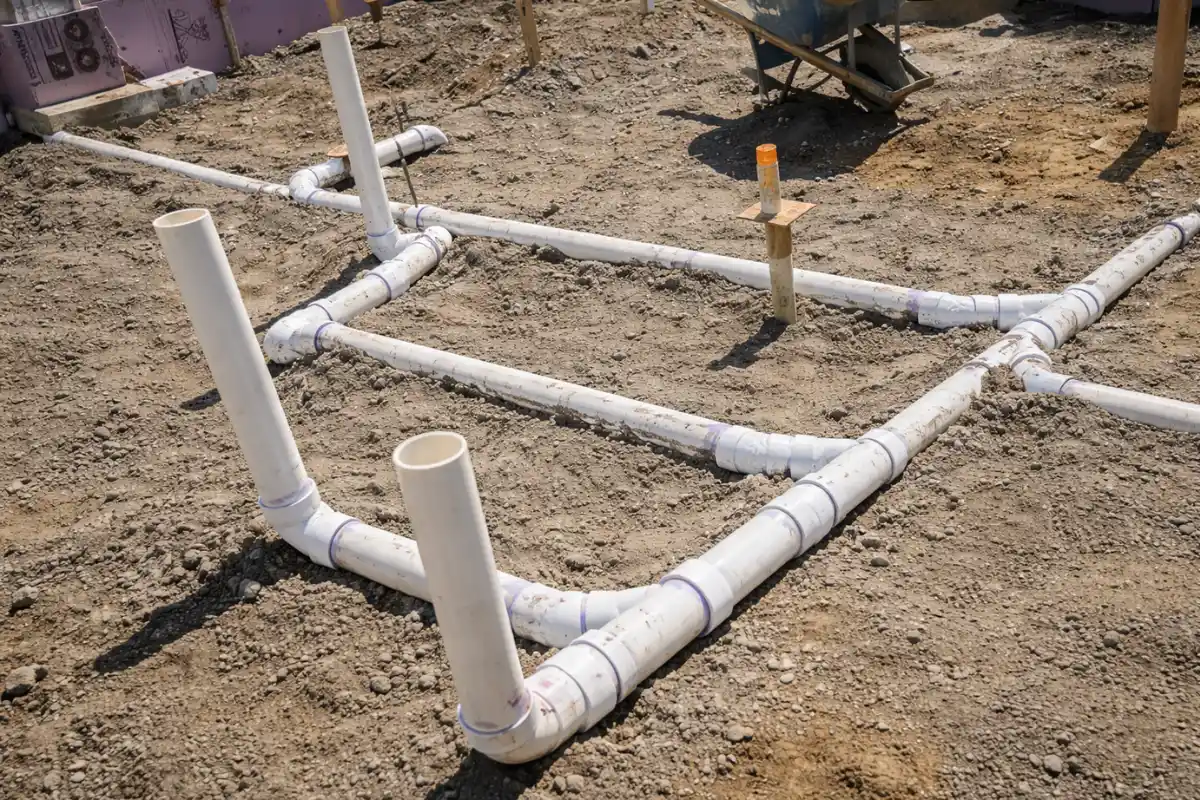
Full replacement runs $3,000 to $7,000 for a standard residential lateral, or roughly $50 to $250 per linear foot, according to 2026 replacement cost data. Long runs under driveways or streets can reach $25,000.
Replacement swaps the entire run from the house to the city main. The old pipe comes out, new pipe goes in, and the line starts a fresh service life.
What the price actually covers
Excavation and restoration usually cost more than the pipe itself. Digging, shoring, permits, inspection, backfill, and putting the yard or driveway back together carry most of the bill.
Why the range is so wide
A 40-foot line across an open lawn sits at the bottom of the range. A 90-foot line under a paved driveway with a city tie-in sits at the top. Same job, very different day.
Restoration is the line item people forget. Putting back a driveway, a sidewalk, or mature landscaping can add thousands, and it belongs in the quote before you sign anything.
Every option stacks in order, from a camera inspection to a full replacement under paving, so you can see where a quote should land.
How Contractors Actually Decide Between the Two
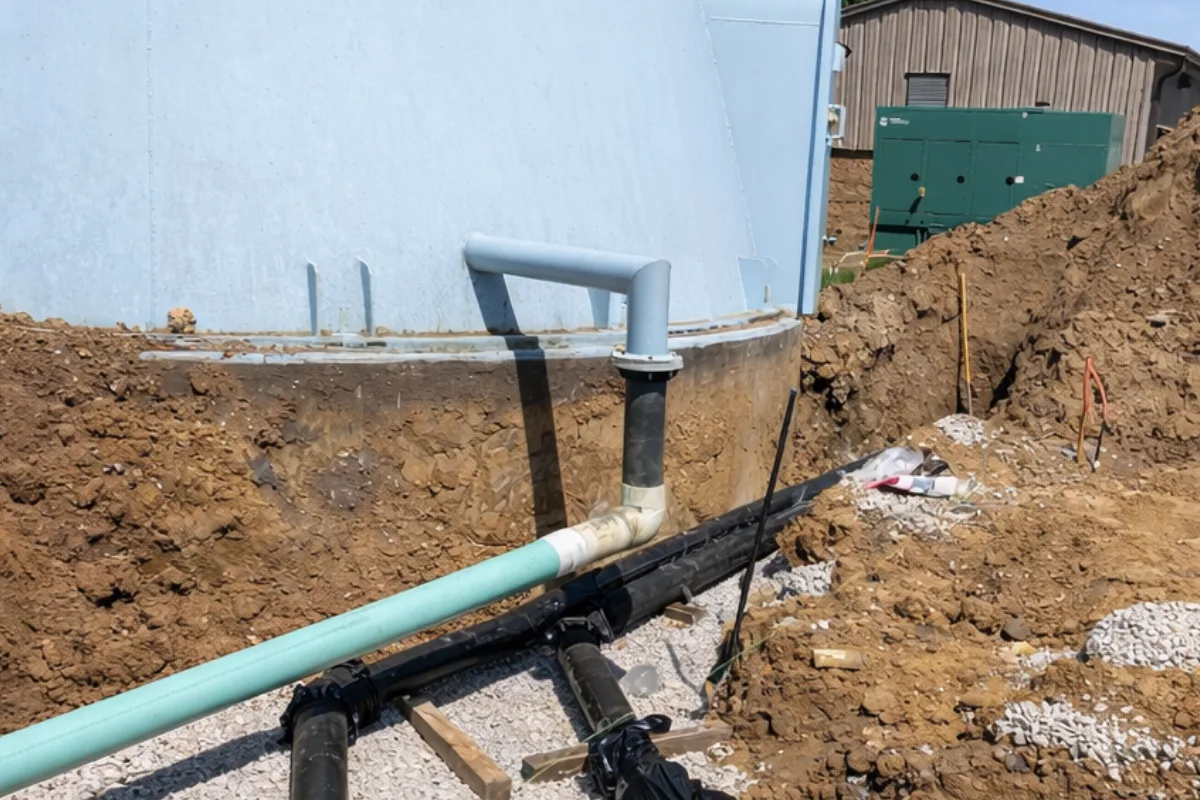
The decision comes down to three questions. How much of the pipe is damaged, how old is the material, and is the failure structural or just a blockage.
Age carries more weight than most homeowners expect. The 2025 ASCE Infrastructure Report Card graded US wastewater infrastructure a D+ and counted roughly 1.87 million miles of conveyance pipe, much of it past its design life.
Clay and Orangeburg lines from the middle of the last century rarely fail in one spot. Once one joint goes, the next one is usually not far behind.
The Sewer Kings ran a job in Evesham, NJ where the camera found root intrusion and a belly in the same line. A belly is a sag that holds waste instead of draining it, and no amount of cabling fixes that.
Anthony Papaneri summed it up after that job: homeowners assume a slow drain is a simple clog, but the root cause is often structural. The crew excavated, corrected the grade, and the flow came back for good.
That is why a sewer line inspection comes before any quote. Footage turns a $4,000 decision into a fact instead of an opinion.
Which Choice Saves You More Money Long Term
Use the half rule. When a repair quote passes half the replacement quote, replacing the line is usually the better buy. You are paying a small premium for a pipe with decades left in it.
Flip it the other way for a young line. A 15-year-old PVC lateral with one crushed spot should be repaired, not replaced. The rest of that pipe has plenty of service life.
Add the digging into your math. If a repair means opening the driveway anyway, price the full replacement too. Replacing the run while the trench is already open costs far less than digging twice.
Watch for repeat symptoms before you decide. Backups every few months, gurgling toilets, and wet patches in the yard point to a line that is failing along its length. Our guide on how to know if your sewer line has collapsed walks through those warning signs. Understanding what causes sewer line backups helps you tell a simple clog from a structural problem.
Timing changes the price too. A planned job is always cheaper than a 2 a.m. call, which we cover in our breakdown of scheduled versus emergency sewer line repair costs. For regional pricing context, see what sewer line repair costs in NJ.
If the footage shows a line that is done, a full sewer line replacement ends the cycle of repair bills instead of stretching it out another year.
Sewer Line Repair and Replacement: Common Questions
Is it cheaper to repair or replace a sewer line?
A repair is cheaper up front, usually $2,500 to $4,000 against $3,000 to $7,000 for replacement. It stops being cheaper once the same line needs a second or third repair. The half rule settles most cases.
How long does a sewer line replacement take?
Most residential replacements take one to three days once permits are in hand. Excavation and restoration take the bulk of that time. Deep lines, driveways, and city tie-ins can stretch the job to a week. See our full breakdown of how long a replacement takes, stage by stage.
Does homeowners insurance cover sewer line replacement?
Standard policies usually exclude the buried line on your property. Some carriers sell a service line endorsement that covers it. Our crews in Evesham, NJ hand homeowners the camera footage, which is what most claims and warranty reviews ask for first.
Get the Footage Before You Get the Bill
The Sewer Kings inspect the line, show you what the camera found, and quote the repair or the replacement from what is actually there. We are family owned, fully licensed, bonded, insured, and PSMA certified across South Jersey.
Call (856) 626-9366 and get a straight read on whether your line needs one section fixed or the whole run replaced.