

How Long Does a Sewer Line Camera Inspection Take?
The Short Answer on Inspection Time
A residential sewer camera inspection takes 30 to 60 minutes for most homes. Lines with hard access or heavy buildup can push the visit to 90 minutes.
Commercial buildings are a different story. Several branch lines and a longer main can turn one visit into a half day of camera work.
The Sewer Kings run camera work before jetting, before digging, and before quoting any repair, so this timeline comes off the daily schedule.
Below is where every minute goes, what stretches a visit, and how to prep so the crew is in and out. If you already have slow drains or a smell in the yard, book a sewer line inspection before the problem picks the timing for you.
What Actually Happens During the Visit
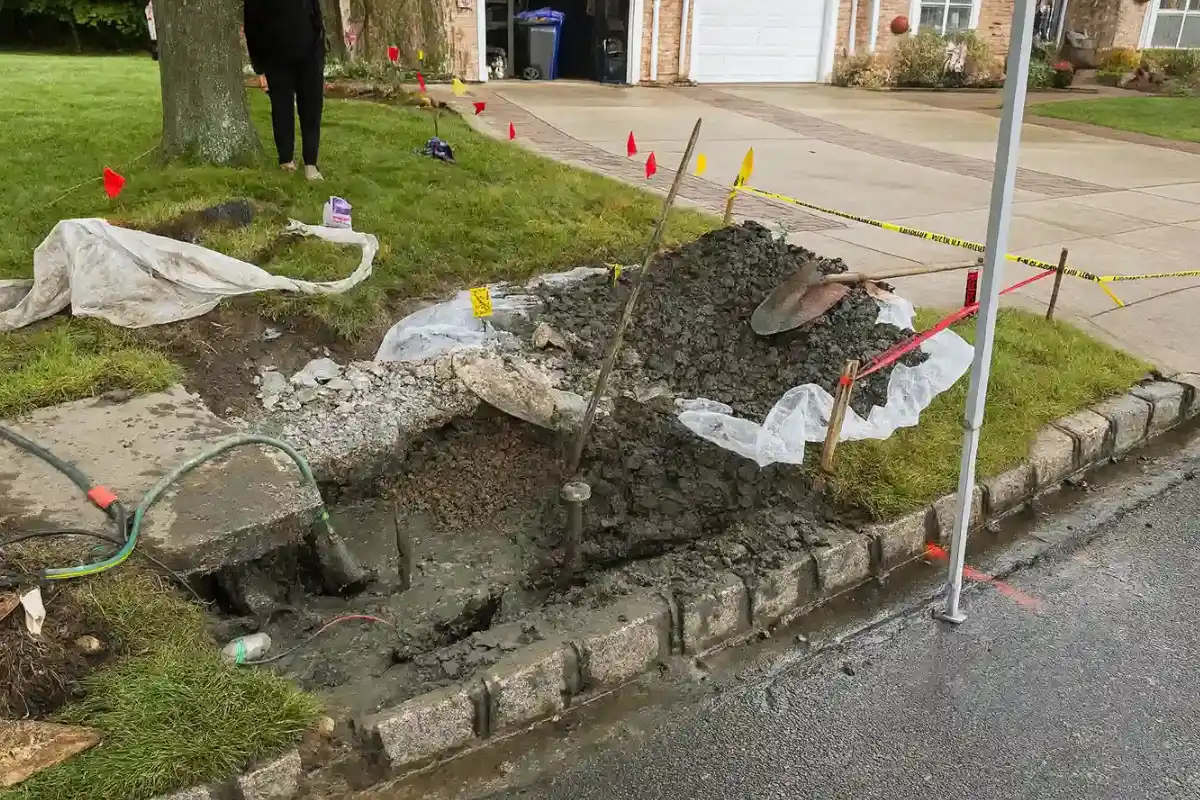
A camera inspection is four steps, and the middle two are the real work. Nothing gets dug, cut, or opened up. The tech is gathering footage, not making repairs.
Step one, find the access point
The crew looks for the cleanout, a capped pipe near the foundation or out in the yard. If it is buried under mulch or a deck, this step eats the most time of any stage.
Step two, run the camera
A camera head on a flexible push rod travels the full lateral, usually 50 to 100 feet. The feed is live, so you can watch the inside of the pipe as it goes.
Step three, locate and mark
A sonde transmitter in the camera head lets the tech mark depth and position on the surface. That is what turns a defect on a screen into an X on your lawn.
Step four, review the footage
The tech walks you through what the camera found and hands over video you can keep. Our crews give homeowners that file for insurance records and future reference.
Nothing on that list requires water shutoff or a torn-up yard. A camera inspection is the least invasive thing a sewer contractor does all day.
What the camera is hunting for stays the same on every job. Root mass, cracks, offset joints, and bellies, which are sags in the pipe that hold waste instead of draining it.
Where the Time Actually Goes
Finding the access takes 5 to 15 minutes. Running the camera takes 15 to 30 minutes. Locating and marking takes 5 to 15 minutes, and the review takes 5 to 10 minutes.
Add those up and a clean job lands right at the 30 to 60 minute mark. The camera run is the only stage that scales with the length of your line.
The review step matters more than the clock suggests. Pipeline defects get graded against NASSCO pipeline condition assessment standards, so two crews looking at the same crack should describe it the same way.
That standard is why footage is worth keeping. A graded, documented defect holds up with an insurer, a buyer, or a township inspector long after the truck leaves.
The four stages below break down the visit, with the time each one takes and what can stretch it.
What Makes an Inspection Run Long
Four things stretch a visit past an hour. No cleanout, a line packed with debris, a collapsed section, and a building with several branch lines feeding one main.
The Sewer Kings hit the no-cleanout problem most often on older homes. When there is no access point, the crew has to pull a toilet or open the line at the stack, and that adds real time.
Heavy buildup is the second delay. A camera cannot see through a wall of grease or a root mass, so the line often needs cleaning first and a second pass with the camera after.
Those two blockers are common for a reason. The US Environmental Protection Agency names grease, wipes, and tree roots as leading causes of sewer blockages and backups into buildings. Catching the warning signs before a backup is exactly what a routine inspection is built to do.
Anthony Papaneri makes the seasonal case for booking early. An inspection in May or June catches root intrusion before the heavy rain, and a jet at that point costs a fraction of an August excavation.
For lines that need cleaning before the camera can work, our CCTV drain survey and cleaning are scheduled together so you are not paying for two separate trips.
How to Get In and Out Faster
Find your cleanout before the truck arrives. It is a capped pipe, usually white or black, near the foundation or between the house and the street. Clearing mulch off it saves ten minutes.
Skip the drain chemicals in the days before. Standing caustic in the line slows the crew down and makes the footage harder to read.
Run less water that morning and keep pets inside. A dry line gives a clearer picture, and a clear path from the driveway to the cleanout keeps the reel moving.
Ask for the video file before the crew packs up. Getting it later is easy, but having it in hand means you can send it to an insurer or a buyer the same day.
Know why you are booking it. Buying a home, planning a remodel, and chasing a repeat backup all call for different depth of review. Our guide on whether a sewer camera inspection is worth it before buying covers the pre-purchase case.
Budget and frequency matter too. See what a sewer camera inspection costs and how often a sewer line should be inspected before you set a schedule. If the footage turns up a broken section, our guide to repair versus replacement costs is the next step.
Sewer Camera Inspection Timing: Common Questions
Do I need to be home for a sewer camera inspection?
Yes, in most cases. The crew needs access to the cleanout and often to a bathroom, and the walkthrough of the footage is the most useful part of the visit. Plan for the full hour.
Can a camera inspection be done on a clogged line?
Only partly. The camera can reach the blockage and confirm what is there, but it cannot see past it. Lines with heavy grease or roots get cleared first, then a second camera pass to check the pipe.
How soon can I get a sewer camera inspection scheduled?
Routine inspections usually book within a few days. Our crews in Evesham, NJ and across Burlington, Camden, Gloucester, and Ocean counties run 24/7 for emergencies, so an active backup gets same-day attention.
Book an Inspection Before the Line Picks the Date
The Sewer Kings run camera inspections across South Jersey, hand over the footage, and give you a plain read on what the pipe needs. Family owned, fully licensed, bonded, insured, and PSMA certified.
Call (856) 626-9366 to get a truck out and know exactly what is inside your sewer line in about an hour.