
How to Spot Root Intrusion Before It Damages Your Drains in Cherry Hill

5.0
& Yelp Reviews


Book A Free Estimate
Submit your information below.

Our Reviews

Why South Jersey Trusts The Sewer Kings


Book A Free Estimate
Submit your information below.
Roots Start Small and Grow Into Big Problems
Mature trees are one of the best parts of living in Cherry Hill Township. Underground, though, their roots are always searching for water, and an old drain line is an easy target.
Roots rarely break into a pipe all at once. They start as fine hairs through a tiny gap and grow into a mass that blocks the line. Catching them early keeps root intrusion removal in Cherry Hill Township a simple job instead of a pipe replacement.
This guide from The Sewer Kings covers how roots get in, the early warning signs, and what to do when you suspect them.
The key idea is simple. Roots that are caught early cause clogs. Roots that are ignored cause cracks.
It is also worth knowing who owns the problem. Cherry Hill Township states on its Sewer Department page that the resident is responsible for the sanitary sewer line from the main line connection to the home. Roots in that line are the homeowner’s to fix.
How Tree Roots Get Into a Drain Line
Roots grow toward moisture and nutrients. A drain line carries both, and even a small leak at a joint sends a steady signal into the soil around it.
Older clay pipe was laid in short sections, and every joint is a possible gap. Cast iron can open at joints too, and a crack in any pipe works just as well for a root.
Once a fine root finds that gap, it grows inside the pipe where water is easy to reach. Inside, it spreads into a mat that works like a net across the line.
Roots do not care what the pipe is made of. Clay, cast iron, and even newer plastic lines with a loose joint can all let roots in. All it takes is a gap and a steady source of moisture.
That net catches paper, grease, and waste. The blockage grows, the root keeps feeding, and the gap it came through slowly gets wider.
Given enough time, a root that entered through a hairline gap can split the pipe. At that point the line is not just clogged, it is broken.
Early Warning Signs of Root Intrusion
Roots rarely announce themselves with one big event. The early signs are small, and they tend to repeat.
Backups on a Schedule
A drain that backs up every few months, especially near large trees, points to roots. The timing often follows the growing season.
Slow Drains That Keep Returning
Slow drains and gurgling toilets that return soon after a cleaning are a common sign. The clog comes back because the roots grow back.
Sewage Smell in the Yard
An odor outside, near the pipe route, can mean roots have opened a crack and waste is escaping into the soil.
Soggy or Extra Green Grass
A strip of lawn that stays wet or greener than the rest can mark a leaking line below.
Pay attention to where your trees are. If a large tree sits between the house and the street, there is a good chance the sewer line runs somewhere under its roots.
How Roots Are Confirmed and Cleared
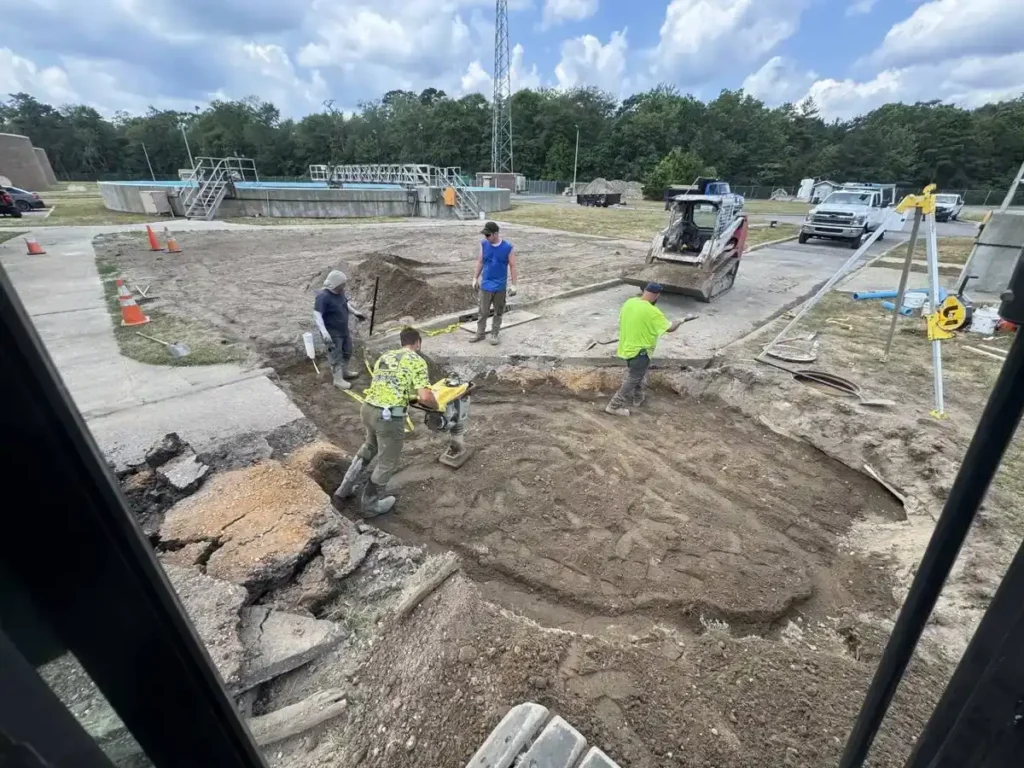
A camera inspection takes the guesswork out. The Sewer Kings runs a camera through the line and shows you the roots on screen, along with the joint or crack where they came in.
Clearing comes next. Cutting tools and high-pressure jetting remove the root mass and clean the line back to the pipe wall, not just a narrow path through the middle.
Clearing roots early is far easier than clearing them late. A thin layer of root hair comes out quickly, while a mass that has filled the pipe takes more work and often leaves damage behind.
After clearing, a second camera pass shows what the roots were hiding. It tells us whether the pipe is sound with a small gap, or cracked and ready to fail.
Cutting roots alone is only a short-term win. If the entry point stays open, the roots grow right back through it in search of water.
The lasting fix pairs clearing with a repair. Sealing or repairing that entry point, through a spot repair or relining, is what ends the yearly root problem.
How to Keep Roots From Coming Back
Know where your line runs before you plant. A camera signal can be traced from the surface, so the path of the pipe can be marked before a new tree goes in the ground.
Give new trees room. Planting away from the sewer line gives roots less reason to find it as the tree grows.
Watch for the early signs each year. A slow drain in spring or summer is worth a camera look before it turns into a full backup.
Homes with a history of root trouble benefit from a regular check. A camera look every so often shows whether roots are starting to return at the old entry point, long before they block the line again.
Keep grease and wipes out of the line. A clean pipe gives roots less to hold and makes early growth easier to clear.
Roots are not the only thing that threatens a property. Our guide on why outdoor water management matters for Cherry Hill Township yards covers how extra water around a home creates its own problems.

FAQs
Frequently Asked Questions About Root Intrusion in Drain Lines
Repeat backups, gurgling drains, and slow drains near large trees are common signs. A camera inspection confirms it by showing the roots inside the pipe and the joint or crack where they entered.
Yes, roots usually grow back if the gap they came through stays open. Clearing the line and then repairing or sealing that entry point is what keeps them out for good.
In Cherry Hill Township, the homeowner is responsible for the sewer line from the main connection to the house. Roots in that private line are the owner’s to remove and repair.
Think Roots Are in Your Drain Line?
The Sewer Kings will show you what is in the pipe and fix the cause, not just the clog. We are licensed, bonded, and insured, and we are available day or night.
Call us for a free estimate before a root turns into a broken line.