
What to Do When Multiple Drains Back Up in Your Cherry Hill Home

5.0
& Yelp Reviews


Book A Free Estimate
Submit your information below.


Our Reviews

Why South Jersey Trusts The Sewer Kings


Book A Free Estimate
Submit your information below.
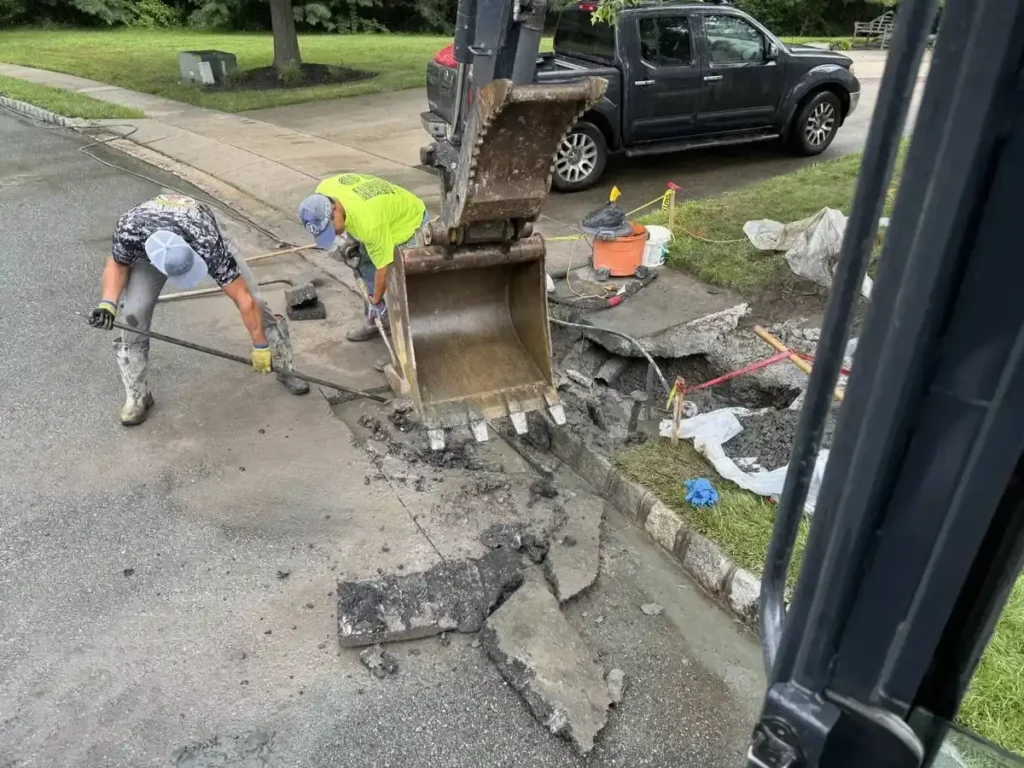
Several Backed-Up Drains Point to One Place
One slow sink is an annoyance. When the tub, the toilet, and the basement floor drain all back up together, something bigger is going on.
Every drain in a home feeds into one main line that carries waste out to the street. When several fixtures back up at once, that shared line is usually blocked. That is when sewer blockage clearance in Cherry Hill Township gets the whole house flowing again.
This guide from The Sewer Kings walks through what a multi-drain backup means and the steps to take right away. It also covers when to call the township before a private company.
Acting fast matters. A main line blockage gets worse with every flush, and sewage in a home brings cleanup costs and health risks.
Staying calm helps too. Most main line blockages can be cleared the same day once the right crew reaches the line.
What It Means When Multiple Drains Back Up
Branch lines from each bathroom and the kitchen join together before leaving the house. A clog in one branch affects only that room. A clog past the point where they join affects everything upstream.
Lowest Drains Back Up First
Water finds the lowest opening. A basement floor drain or first floor shower is usually the first place sewage shows up when the main line is blocked.
Using One Fixture Affects Another
If running the washing machine makes the tub fill up, or flushing a toilet brings water into a floor drain, the blockage is in a shared line.
Gurgling Throughout the House
Gurgling sounds from several drains mean air is being forced through a narrowed main line.
The cause is often in the sewer lateral, the pipe between the house and the street. Roots, grease, wipes, and damaged pipe are the usual suspects.
Timing can offer clues. A backup after a big load of laundry or a holiday gathering is a clue. It points to a line that was already narrowed and could not handle the extra flow.
What to Do Right Away
Stop using water. Hold off on flushing, showers, the dishwasher, and laundry. Every gallon that goes down the drain has nowhere to go but back up.
Let everyone in the house know right away. It only takes one person running a shower upstairs to push more water into the basement, so a quick heads-up saves a lot of cleanup.
Keep people and pets away from any sewage. Backed-up water can carry germs, so avoid touching it without gloves and leave cleanup for later.
Move valuables away from low drains. Boxes, rugs, and electronics near a basement floor drain are the first things to get damaged.
Check your cleanout if you know where it is. A cleanout that is overflowing or full of water confirms the blockage is downstream in the lateral or at the main.
Do not try to open a cleanout that is under pressure from a backup. Removing the cap can release sewage into the yard or basement all at once. Leave that step for the crew with the right equipment on hand.
Ask a neighbor if their drains are working. If homes on both sides are backing up too, the problem may be in the public main in the street.
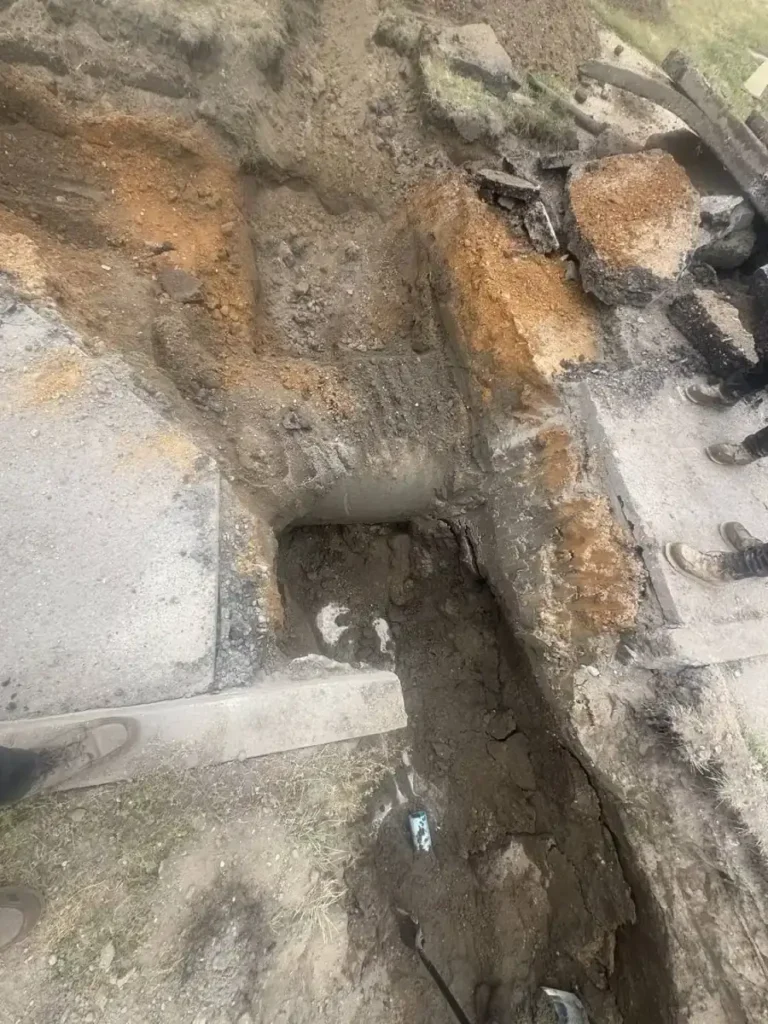
When to Call the Township and When to Call a Pro
Cherry Hill Township asks residents with a sewage blockage at the curb to call the Sewer Department before a plumber. The township Sewer Department page lists (856) 424-4422 during business hours and (856) 665-1200 for emergencies.
That call is worth making first. If the public main is blocked, the township handles it, and several homes on your street are likely affected.
The same page also says the resident is responsible for the sanitary sewer line from the main line connection to the home. If the township confirms its main is flowing, the blockage is in your private line.
That is when The Sewer Kings comes in. We answer 24 hours a day, because a main line backup does not wait for business hours.
Be ready to share a few details when you call. Which drains backed up, what was running at the time, and whether neighbors have trouble all help the crew find the blockage faster.
How a Main Line Blockage Gets Cleared
The crew starts at the best access point, usually a cleanout. From there, professional cable machines and high-pressure jetting clear the blockage and scour the pipe wall.
Once the line is flowing, a camera pass shows why it blocked. Roots, a sag, a crack, or heavy buildup each call for a different next step.
If the camera shows a one-time clog from wipes or grease, a cleaning and better habits may be all you need. If it shows damage, you get a clear plan and a flat rate for the repair.
We prove the line is open before we leave. Running water through the fixtures that backed up shows the whole house is draining the way it should.
Afterward, clean up carefully. Wear gloves, remove soaked rugs and boxes, and disinfect hard floors where sewage reached. If the backup was large, a cleanup service may be the safer choice.
Sometimes the camera shows a line that has partly collapsed. Our guide on drain relining vs. pipe replacement explains which fix makes sense for a damaged line.

FAQs
Frequently Asked Questions About Multiple Drains Backing Up
When all the drains back up at once, the main line leaving the house is usually blocked. Roots, grease, wipes, or damaged pipe in the sewer lateral are the most common causes.
If the blockage seems to be at the curb, Cherry Hill Township asks residents to call its Sewer Department first. If the township finds its main is clear, the problem is in your private line and needs a private company.
No, stop using water until the line is cleared. Every flush or load of laundry adds to the backup and can push more sewage into the lowest drains in the house.

Drains Backing Up All Over the House?
The Sewer Kings clears main line blockages day or night across Cherry Hill Township. We are family-owned, licensed, bonded, and insured, and we show you the cause on camera.
Call us now for help and a flat rate you approve before work starts.