


Sewer Line Belly: A Sag That Traps Waste
A belly is a low spot or sag in a sewer line where the pipe sinks and holds water and waste instead of letting it flow away. It is one of the most common hidden causes of repeat clogs. If you have a belly, you may need professional sewer line repair to fix it for good.
This post explains what a belly is, why it forms, how you can spot one, and what the repair options are.
What Does a Belly in a Sewer Line Look Like?
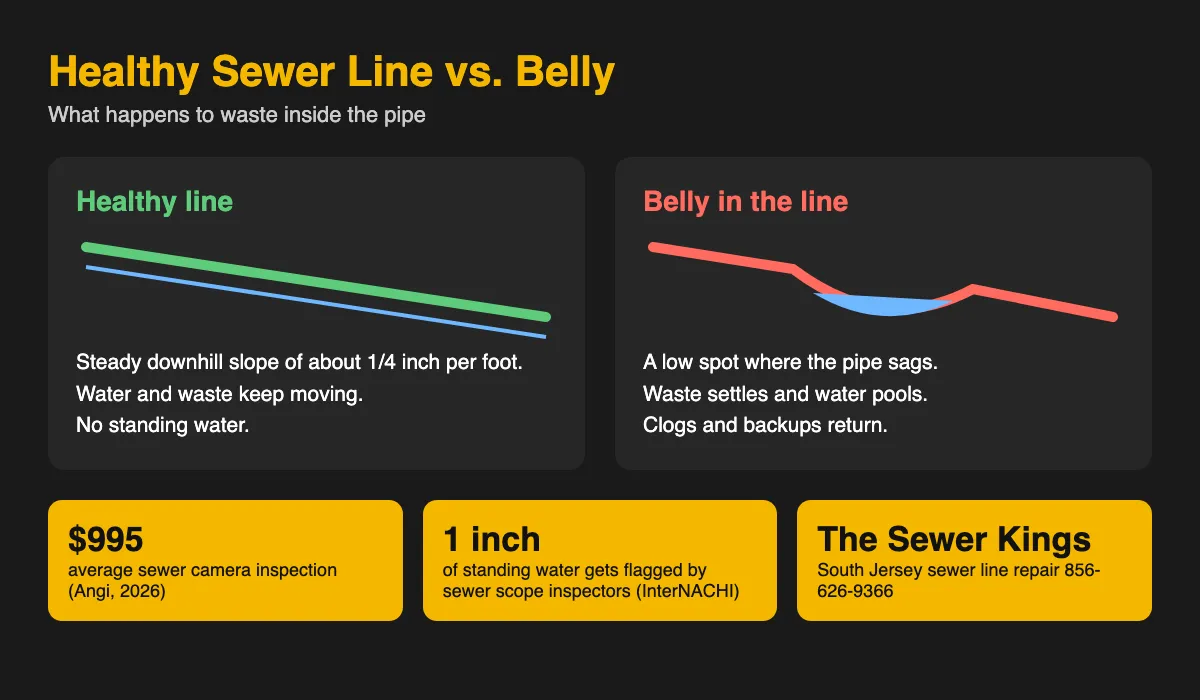
Your sewer line should slope downhill toward the street or septic system. Most plumbing codes call for about 1/4 inch of drop per foot of pipe. Gravity then pulls waste along.
A belly breaks that slope. The pipe dips down in one spot and then climbs back up. Water settles in the dip, like a puddle in a gutter.
Solids do not make it up the other side. They sink to the bottom of the low spot and build up. Over time the pile gets bigger and the pipe clogs.
Bellies Are Hidden
A belly sits underground, so you cannot see it. Most homeowners only find out after a clog keeps coming back.
Why It Matters
Standing waste is not just a clog risk. The water sits against the pipe walls day after day. That can weaken joints, feed root growth and slowly wear the pipe down.
Bellies Can Be Small or Large
Some bellies hold a cup of water. Others stretch several feet and hold a lot. The bigger the sag, the bigger the risk.
What Causes a Sewer Line to Sag?
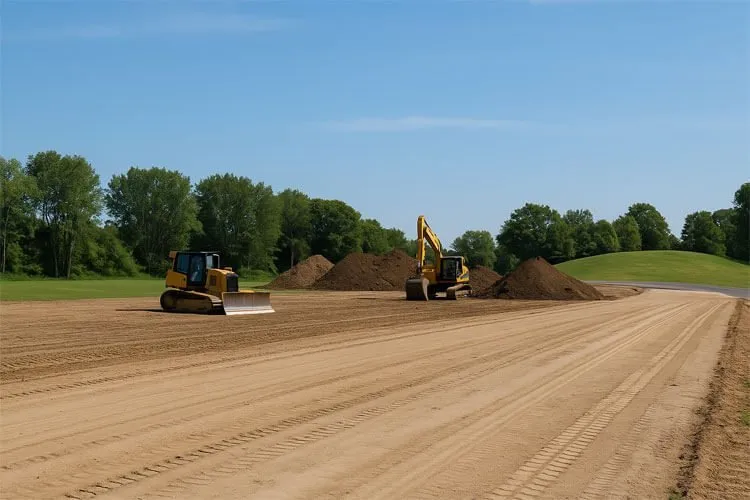
The soil under a pipe has to stay firm. When it does not, the pipe sinks with it. Here are the usual causes.
Soil Settling or Washout
Loose backfill settles over the years. Leaks and heavy rain can also wash soil out from under the pipe. The pipe then drops into the empty space.
Poor Installation
Pipe needs a firm, level bed of stone or sand. If the installer skipped the bedding or did not grade it right, the pipe can sag soon after the work.
Heavy Loads and Roots
Driveways, heavy trucks and large trees put stress on the ground above a pipe. Roots can also push pipe out of line.
Pipe Material
Older clay and Orangeburg pipe can crack and shift. Plastic pipe can flex if the ground under it is weak.
Ground Movement Over Time
Freeze and thaw cycles, new construction nearby and years of wet weather all move soil. In South Jersey, sandy ground can shift faster than firm clay when water keeps running through it.
A sewer camera shows the truth. According to Angi’s 2026 cost data, a sewer camera inspection costs far less than digging blind to find the same answer. Inspectors also follow InterNACHI sewer scope standards, which say to flag more than 1 inch of standing water in a line.
How Do You Know If You Have a Belly in South Jersey?
Bellies leave clues inside your home. Watch for these signs.
Warning Signs
Slow drains in more than one fixture, gurgling toilets, and a sewer smell are common. Clogs that return a few weeks after a cleaning are the biggest clue.
Cleaning does not fix a belly. A cable or hydro jet can clear the pile, but the sag stays and the waste collects again. If your drains keep backing up, read what causes main sewer line backups.
The Sewer Kings is a family-owned company run by brothers Mark and Anthony Papaneri. They learned the trade working beside their father on government water and sewer projects. The crew is licensed, bonded, insured and PSMA certified, and it serves homeowners across South Jersey from Evesham.
A belly job often starts with a simple call. A homeowner tells us the same drain keeps clogging. We send a camera down the line, mark where the water sits, and measure how far the sag runs. That one visit saves guesswork and keeps the repair tight.
That background matters on a belly job. The fix depends on how deep the pipe sits, what is above it, and how bad the sag is. A camera run tells us before anyone digs.
How Is a Belly in a Sewer Line Fixed?
Small bellies that hold very little water are sometimes watched over time. A camera inspection every year or two shows whether the sag is growing.
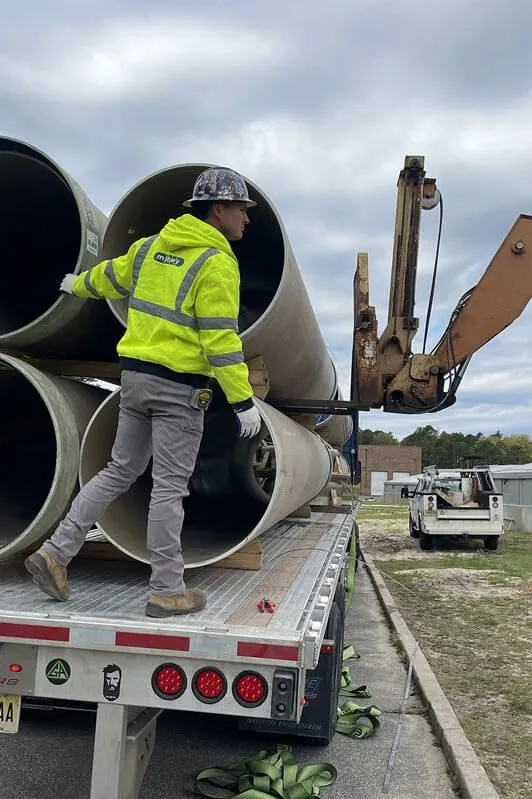
A belly that clogs your drains needs a real repair. The usual fix is to remove the sagging section, rebuild a firm and level bed, and install new pipe at the right slope.
Some jobs can be done without a long trench. Learn about trenchless sewer replacement and how it compares with digging. Lining is not a good fit for a deep sag, because a liner follows the shape of the old pipe. See our post on what pipe relining is.
When the new pipe goes in, the slope matters as much as the pipe itself. We set the grade, pack the bedding in layers, and check the fall before the trench is closed. That is what keeps the new line from sagging again.
Waiting makes it worse. A belly that is ignored can turn a spot repair into a longer, more costly replacement. If your drains keep clogging, get the line scoped before the next backup.
Cost depends on length, depth and access. Our guide to sewer line repair costs in NJ shows what to expect. Ask for a camera inspection first, so the quote is based on what is really in the ground. How far down the sag sits matters too, and how deep sewer lines are buried gives the usual range. If the pipe is 1950s fibre, read whether Orangeburg pipe should be replaced.
Frequently Asked Questions
Can a belly in a sewer line fix itself?
No. Soil does not move back into place on its own. A belly usually gets worse over time as waste builds up and water softens the soil around the pipe.
Is a belly in a sewer line serious?
It can be. A small belly may only cause an occasional clog. A large one can lead to repeated backups and, over time, a cracked or collapsed pipe. A camera inspection shows how serious yours is.
How do plumbers find a belly in a sewer line?
A plumber runs a camera through the line. Standing water in one spot, where the pipe should be dry, points to a belly. The Sewer Kings does this for homes across South Jersey, including Evesham and nearby towns.
Think You Have a Belly in Your Sewer Line?
The Sewer Kings inspects and repairs sewer lines for homeowners across South Jersey. Call us for a camera inspection and a clear plan.
Call (856) 626-9366 today.