


You might not think about your drains until something goes wrong. Suddenly, the water is backing up in your kitchen sink or gurgling noises echo through your bathroom. The clearer your drains stay, the fewer unwelcome surprises you will face around the house. So how often should drains be professionally cleaned to ensure everything flows smoothly? This article explores recommended cleaning intervals, warning signs of trouble, and what you can do between appointments to keep your pipes free of clogs.
Why professional drain cleaning is essential
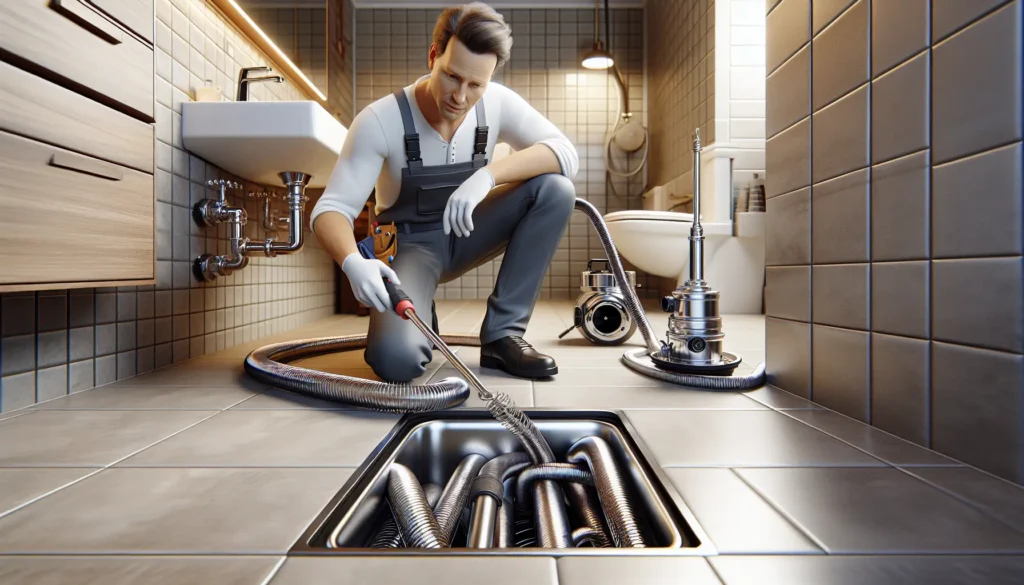
Even the best DIY tactics can fail if your drain systems are aging or seeing heavy use. Professional drain cleaning targets deep blockages that hide well beyond easy-to-reach spots. Plumbing experts use specialized tools like augers and hydro jetters to clear stubborn sludge without damaging pipes. If you are wondering whether to handle a slow drain yourself or hire a plumber, check out do i need a plumber to unclog a drain? for more guidance.
Beyond unblocking clogs, professional services also remove corrosive residue and harmful bacteria, which protects the longevity and cleanliness of your pipes. According to Wisler Plumbing & Air, sanitizing your drain lines helps avoid microbial growth that can lead to unpleasant odors or even health hazards. Investing in routine maintenance now can spare you the stress and expense of emergency repairs down the road.
How often should drains be cleaned?
Most plumbing specialists recommend scheduling a professional drain cleaning at least once a year. This annual check-up is common advice from Thomas & Galbraith. By having a licensed plumber flush out debris before it forms a full-blown obstruction, you will keep water flowing freely and reduce the risk of corrosion.
However, your ideal schedule can vary. If you have an older home or a large family that puts extra strain on the plumbing, John Padilla Plumbing suggests a cleaning every 6 to 9 months. Meanwhile, sewer drain lines sometimes follow a different cycle. Schoenwalder Plumbing advises an 18-to-24-month interval for sewer cleaning if you have not noticed any signs of trouble. Our own guide to the cleaning schedule by household type breaks down the exact intervals for each situation. To learn more about the difference between clearing a household drain and tackling a sewer line, read what is the difference between drain cleaning and sewer cleaning?.
Signs you need professional cleaning sooner
While an annual or semi-annual visit works for many households, certain warning signals mean you should schedule a professional drain cleaning right away. Slow-draining sinks, showers, or tubs are common red flags. You might also hear gurgling noises when water attempts to pass stubborn clogs (as noted by AZ Family Plumbing).
When foul odors, sewer flies, or visible residue show up, it is time to take action. Odors can signal a buildup of bacteria, while insects are drawn to the sludge inside pipes. If you suspect your main line is plugged, you might experience water backing up in unexpected drains. For more on how to recognize a serious system-wide blockage, check out what are the signs of a clogged main line?.
Tips for daily and monthly upkeep
Professionals agree that most tough clogs form slowly from everyday misuse of your drains. Regular, preventative habits can keep you from needing an emergency call. Consider these four ideas:
- Scrape plates instead of rinsing food scraps down the sink. Even small leftovers can turn into a sticky buildup over time.
- Limit grease and cooking oil. Grease cools as it travels, hardening into thick deposits that block flow.
- Rinse drains weekly with hot water. Follow with a small amount of baking soda and vinegar if you notice minor odors.
- Clean strainer baskets or stoppers monthly to remove hair or debris, especially in showers.
If you still run into frequent clogs despite taking these precautions, it might be time to get a professional opinion. Simple at-home fixes like plungers or small snakes can help a single clog. But for persistent issues, consider exploring how do professionals clear drains? to see the methods that a trained plumber uses for more complex problems.
Long-term benefits for your home
By investing in regular drain cleaning, you protect your home from water damage and the high costs of emergency repairs. According to Woods Comfort Systems, letting clogs worsen can lead to overflowing sinks or burst pipes that damage walls and floors. Additionally, routine flushing of residue extends the life of your plumbing, so you do not have to replace pipes prematurely.
Professional drain maintenance also helps protect your health. Removing trapped organic matter cuts down on mold, mildew, and pest attraction. Orkin points out that pests like cockroaches, fruit flies, or drain flies flock to grimy drains — you do not want them finding a welcome mat in your kitchen or bathrooms. Routine cleanings ensure you are less likely to face those surprise infestations.
Conclusion
When drains flow freely, your entire household runs more smoothly. Annual check-ups by a licensed plumber can prevent small buildups from turning into major blockages. If you have heavier foot traffic or an aging system, schedule more frequent visits to keep clogs and odors at bay. Watch for early signs like slow draining, gurgles, and foul smells, since these usually mean it is time for immediate action. And remember, if you are not sure how severe your clog is or how to get rid of it, see do i need a plumber to unclog a drain? for practical advice.
With a reliable schedule in place, you will extend your plumbing’s lifespan, spend less on emergency fixes, and enjoy the peace of mind that comes from efficient, odor-free drains. If you want to learn more about the tools professionals use, you can read up on how do professionals clear drains?. By pairing professional expertise with day-to-day mindfulness, you give your home’s drains the best chance to stay clear all year round.