Uncategorized

What Does a Manhole Inspection Check For?
Uncategorized

What Does a Manhole Inspection Check For?

What Does a Manhole Inspection Check For? Why Manhole Inspections Matter Manholes give crews access to the sewer mains that run beneath our streets and properties. A thorough manhole inspection checks the health of that access point and the pipes it serves. At The Sewer Kings, we inspect manholes for property owners and businesses across South Jersey. A manhole may look like just a metal cover, but it protects a lot below. Small problems there can grow into big failures. The crews at The Sewer Kings check every part of the structure, not just the parts you can see from the street. Here is exactly what a proper inspection looks at and why each part matters. The Structure: Frame, Cover, and Walls The first thing an inspection checks is the physical shape of the manhole itself. Cover and Frame We check the cover and frame for cracks, rust, and a proper fit. A loose or broken cover is a safety hazard and lets debris fall in. Walls and Joints The walls are checked for cracks, missing material, and worn joints. Damage here can let the structure fail over time. Steps and Access If the manhole has built-in steps, we check that they are sound and safe for crews who need to enter. Depth and Alignment We confirm the structure sits at the right depth and lines up with the pipes it serves. A shifted manhole stresses every connection. Water Infiltration and Flow Problems A big part of any inspection is watching how water moves, and where it should not. Infiltration We look for groundwater leaking in through cracks. Extra water overloads the system and can flood lines during heavy rain. Flow and Blockage We check that waste flows freely through the channel at the base. Grease, debris, or roots can choke the flow and cause backups upstream. Buildup and Corrosion Sewer gases eat away at concrete over time. We check for corrosion and the buildup of solids that signal a deeper problem. Root Intrusion Roots push through cracks and joints just like they do in house lines. We note any roots so they can be cleared before they choke the flow. Why Regular Inspections Save Money A manhole inspection is a small step that prevents large, messy repairs. Catch Problems Early A hairline crack is cheap to seal. A collapsed structure is not. Regular checks catch trouble while it is still small. Protect the Whole System A failing manhole can pull down the pipes around it. Keeping it sound protects your larger sewer investment. The Sewer Kings documents every inspection with clear notes and photos, so you know the exact condition of your system. A Safety Check for the Public A cracked lid or crumbling wall is a fall hazard. A quick inspection keeps the structure safe for everyone who passes over it. Cleaner Local Waterways A leaking manhole lets waste escape and lets groundwater flood in. A sound structure protects nearby streams and the wider system. Types of Manhole Inspections Not every inspection is the same. The right one depends on what you need to learn. Visual Surface Check A quick look at the cover, frame, and the top of the structure spots obvious damage and safety issues fast. Full Interior Inspection A deeper inspection uses cameras to check the walls, base channel, and connecting pipes for cracks, flow issues, and corrosion. Follow-Up After Repairs After work is done, a follow-up confirms the fix held and the structure is sound before we close it out. Manhole Inspection FAQ How often should a manhole be inspected? It depends on age and use, but a routine check every few years catches most problems early. Older systems and heavy-use sites benefit from more frequent looks. Do you use cameras for manhole inspections? Yes. We use cameras to inspect the manhole and the connecting lines, so we see the full condition without anyone entering a confined space when it is not needed. What happens if you find damage? We show you the findings with notes and photos, then lay out repair options. You get a clear picture before any work is scheduled. Talk to a Local Drainage Expert Today The Sewer Kings is a family-run drainage and sewer company serving Evesham and all of South Jersey. Call The Sewer Kings at 609-357-0547. We provide manhole inspection and related drainage services throughout South Jersey, available 24/7 for emergencies.

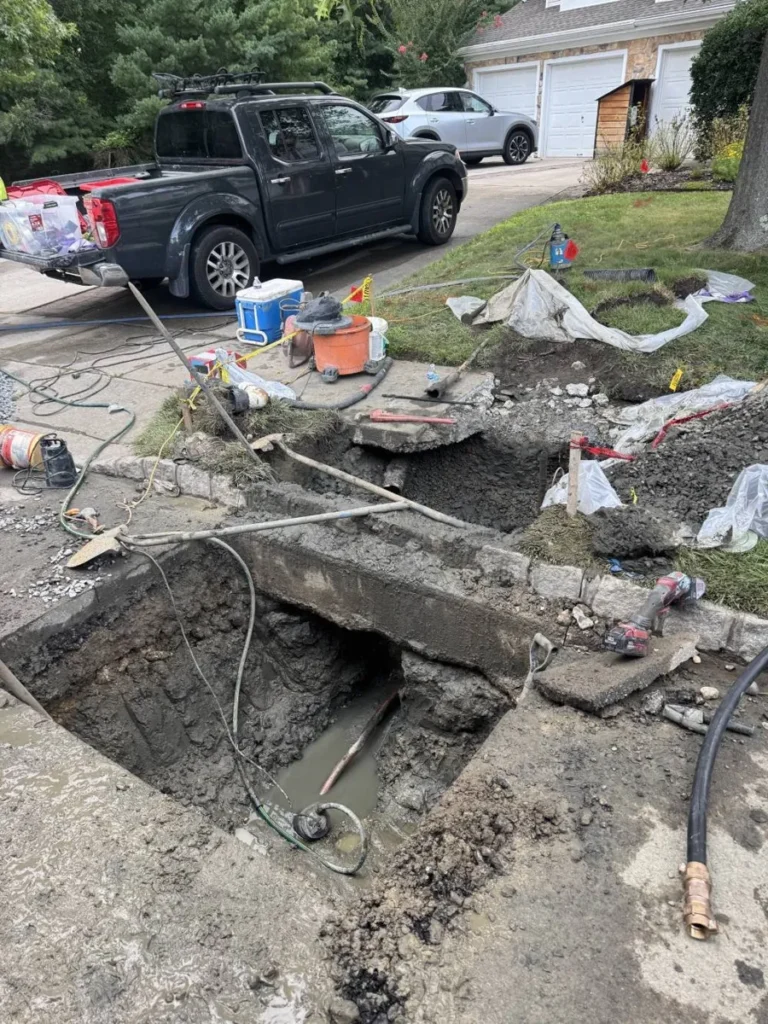
sewer line repair tools and materials staged in a service truck in Ashland, NJ.
Uncategorized

How Often Should a Commercial Grease Trap Be Cleaned?

How Often Should a Commercial Grease Trap Be Cleaned? Why Grease Trap Timing Matters A grease trap catches fats, oils, and grease before they reach the sewer. Regular commercial grease trap cleaning keeps your kitchen legal, clean, and running. At The Sewer Kings, we service traps for restaurants and businesses across South Jersey. Wait too long and the trap overflows into your lines. That means backups, foul smells, and a shutdown you cannot afford. The Sewer Kings keeps kitchens across the region on a schedule that fits their real cooking volume. So how often is often enough? The answer comes down to one simple rule. The One-Quarter Rule for Grease Traps The industry standard is simple and easy to follow. Clean at One-Quarter Full Clean the trap once fats, oils, and solids fill about a quarter of its total depth. Past that point, the trap stops working the way it should. Most Kitchens: Every Few Weeks to Months A busy restaurant may hit that mark in a matter of weeks. A lighter-use kitchen may go a couple of months. Volume decides the pace. Track and Log It Keep a cleaning log. It proves compliance to inspectors and helps you spot when your kitchen’s pace is speeding up. Know Your Local Rule Some towns set their own maximum time between cleanings, no matter how full the trap is. We help you stay inside your local limit. What Changes How Often You Need Service No two kitchens fill a trap at the same rate. A few things set your schedule. How Much You Cook High-volume kitchens and fryer-heavy menus push far more grease into the trap. More cooking means more frequent cleaning. Trap Size A small under-sink trap fills fast and needs frequent service. A large in-ground interceptor holds more and can go longer between visits. Your Menu Fried and fatty foods load a trap quickly. A menu light on grease fills it more slowly. What Happens If You Wait Too Long Skipping service does not save money. It creates bigger bills and real headaches. Backups and Odors An overfull trap sends grease into your drain lines. That leads to slow drains, backups, and smells that drive customers away. Fines and Violations Health inspectors check grease traps. A neglected trap can bring fines or even a forced closure until it is fixed. The Sewer Kings sets a service schedule that matches your kitchen, so you stay clean, compliant, and open for business. Pest Problems Overflowing grease draws drain flies and roaches. A pest issue in the kitchen can fail a health inspection all on its own. Bigger Repair Bills Grease that escapes the trap hardens inside your drain lines. Clearing a grease-packed main costs far more than routine trap service. Signs Your Grease Trap Needs Service Now Even with a schedule, watch for these signs that your trap needs attention right away. Slow Drains in the Kitchen When sinks and floor drains start to back up, the trap is likely full and pushing grease into your lines. Foul Odors A rotten smell near the trap or drains means grease is breaking down and overflowing. That odor spreads to your dining area fast. Grease Showing at the Trap Visible grease at the lid or a trap that looks packed to the top is a clear call for immediate service. Flies and Pests Drain flies and other pests feed on trapped grease. A sudden bug problem near the kitchen often points back to a full trap. Commercial Grease Trap Cleaning FAQ Can I clean my grease trap myself? Small traps can be scooped by staff, but it is messy and the waste needs proper disposal. A pro service is faster, cleaner, and keeps your records straight. What happens to the grease you remove? We haul it away and dispose of it at a licensed facility. That keeps you compliant and keeps the grease out of the sewer system. Do you offer scheduled grease trap service? Yes. We set a routine schedule based on your kitchen’s volume, so your trap never gets past the point where it causes trouble. Talk to a Local Drainage Expert Today The Sewer Kings is a family-run drainage and sewer company serving Evesham and all of South Jersey. Call The Sewer Kings at 609-357-0547. We provide grease trap cleaning and related drainage services throughout South Jersey, available 24/7 for emergencies.

How Much Does a Sewer Camera Inspection Cost?
Uncategorized

How Much Does a Sewer Camera Inspection Cost?

How Much Does a Sewer Camera Inspection Cost? What a Sewer Camera Inspection Really Does A sewer camera inspection sends a waterproof camera down your line to show its true condition. A full CCTV drain survey turns a hidden pipe into a clear video you can actually see. At The Sewer Kings, we use these surveys to find problems without digging. The cost depends on the line, the access, and how much of the system you want checked. At The Sewer Kings, we keep the price fair and explain what each part of the survey covers. This guide explains what you are paying for and when the inspection is worth every penny. What Affects the Price of an Inspection A camera inspection is far cheaper than a dig, but a few things still move the price. Access to the Line An easy cleanout access makes the job quick. If we must reach the line through a roof vent or a pulled toilet, it takes more time. Length and Layout A short, straight run is fast to scan. A long line with many branches takes longer to inspect fully. Locating the Problem If you want the exact spot of a break marked above ground, that locating step adds a little to the base survey. Standalone or Bundled An inspection bundled with a cleaning or repair often costs less than a lone visit. Ask about pairing services. A Written Report If you want a saved video and a written summary for a home sale or claim, that record may add a small amount to the price. When a Camera Inspection Is Worth It Some situations make an inspection one of the smartest small spends a homeowner can make. Before Buying a Home An old sewer line can cost thousands to replace. A quick scan before you buy tells you what you are really getting. Repeat Backups If a drain keeps clogging after cleaning, a camera shows why. Roots, a belly, or a crack all look different on screen. Before a Big Repair A survey confirms the exact problem and its location, so any dig is precise and no money is wasted on guesswork. After a Major Storm Heavy rain and shifting ground can crack a line or push in a joint. A quick scan after a big storm catches new damage early. What You Get From the Survey A good inspection gives you more than a look. It gives you a plan. A Clear Diagnosis You see the real condition of the pipe, from roots to cracks to buildup, with no guesswork involved. An Exact Location We can mark where a problem sits, so a repair targets one spot instead of the whole line. The Sewer Kings walks you through the footage and explains what it means in plain language, then lays out your options. A Clear Repair Plan With the footage in hand, we walk you through your options. You decide the next step with the full picture, not a sales pitch. Peace of Mind Sometimes the line is sound. A clean report is worth a lot on its own, especially before you buy a home or close a sale. How a Camera Inspection Works The process is quick and clean, with no digging to see inside your line. Finding the Access Point We start at a cleanout or another access point. A good access makes the whole job faster and keeps the cost down. Running the Camera A flexible rod with a waterproof camera head feeds down the pipe. You watch the live feed as it travels the full length of the line. Reading the Results Roots, cracks, grease, and bellies each look distinct on screen. We pause on any problem and explain what it means for your line. Sewer Camera Inspection Cost FAQ How long does a camera inspection take? Most take under an hour once we reach the line. A longer or branched system can take a bit more time to scan fully. Do I get a copy of the video? Yes. We can share the footage so you have a record of your line’s condition, which is handy for a home sale or an insurance claim. Can an inspection find a leak? It can find cracks, breaks, root intrusion, and bellies that cause leaks and backups. It is the clearest way to see inside a buried pipe. Talk to a Local Drainage Expert Today The Sewer Kings is a family-run drainage and sewer company serving Evesham and all of South Jersey. Call The Sewer Kings at 609-357-0547. We provide CCTV drain survey and related drainage services throughout South Jersey, available 24/7 for emergencies.

Sewer Backup vs. Clogged Drain: How to Tell the Difference
Uncategorized

Sewer Backup vs. Clogged Drain: How to Tell the Difference

Sewer Backup vs. Clogged Drain: How to Tell the Difference Why This Difference Matters A single slow sink is one thing. A whole-house backup is another. When drains act up across your home, you may need fast sewer blockage clearance instead of a simple drain cleaning. At The Sewer Kings, we help South Jersey homeowners spot the difference every day. Knowing which problem you have tells you how urgent it is. A clogged drain can often wait a day. A sewer backup cannot. The team at The Sewer Kings clears both, but the fix and the urgency are very different. This guide breaks down the signs, the causes, and the smart next step for each. Signs of a Simple Clogged Drain A clogged drain is usually local. It affects one fixture, not your whole home. Only One Fixture Is Slow If just the kitchen sink or one shower drains slowly, the clog is likely in that single line. The rest of the house works fine. Gurgling at One Drain A bubble or gurgle at one fixture points to a partial blockage close by. It is annoying, but it is contained. Buildup You Can Trace Grease, hair, and soap scum cause most single-drain clogs. These build up slowly and clear with a proper cleaning. No Sewage Smell A simple clog rarely brings a sewage odor. If you smell waste, the problem is likely deeper in the main line, not one fixture. Signs of a Sewer Backup (the Serious One) A sewer backup means the main line that serves your whole home is blocked. This is an emergency. Several Drains Act Up at Once If tubs, toilets, and sinks all drain slowly or back up together, the problem is the main sewer line, not one fixture. Toilet Water Rises When You Run Other Water Flush a toilet and watch the tub, or run the washer and watch the toilet. Water backing up elsewhere is a classic main-line sign. Foul Smell or Dirty Water Sewage odor or dark water coming up through the lowest drain means waste has nowhere to go. Stop using water and call for help right away. What to Do for Each Problem Your next move depends on which problem you are facing. For a Single Clogged Drain Skip the harsh chemical cleaners, which can damage pipes. A professional cleaning clears the line fully and finds why it clogged. For a Suspected Sewer Backup Stop running water in the home. Do not flush. Call for emergency service so the main line gets cleared before waste floods your floors. The Sewer Kings handles both. We clean single drains and clear full sewer backups, and we offer 24/7 emergency service across South Jersey. When in Doubt, Treat It as Serious If you cannot tell which problem you have, stop running water and call us. It is far cheaper to check than to clean up a sewage backup. Why Chemical Cleaners Make It Worse Store-bought drain chemicals rarely clear a main-line block. They sit on the clog, harm older pipe, and delay the real fix. Common Causes Behind Each Problem Knowing the cause helps you prevent the next one. The two problems often come from different sources. What Clogs a Single Drain Grease down the kitchen sink, hair in the shower, and wipes in the toilet are the usual culprits. They build up close to the fixture. What Blocks a Main Line Tree roots, collapsed pipe, and years of grease buildup block the main sewer. These sit deep in the line and affect the whole home. How to Lower Your Risk Keep grease and wipes out of your drains. For older homes with big trees, a yearly camera check catches root trouble before it backs up. Why Older Homes Back Up More Homes with clay or cast iron laterals face more root and crack problems. Age plus big trees is the classic recipe for a main-line backup. Sewer Backup vs. Clogged Drain FAQ Can a clogged drain turn into a sewer backup? It can if the clog is in the main line and keeps growing. A drain that stays slow after cleaning may signal a deeper main-line problem worth inspecting. Is a sewer backup an emergency? Yes. Standing sewage is a health hazard and can damage your home. Stop using water and call for emergency service the moment you see it. How do you find what caused the backup? We run a camera down the line. It shows roots, grease, breaks, or bellies so we clear the real cause instead of guessing. Talk to a Local Drainage Expert Today The Sewer Kings is a family-run drainage and sewer company serving Evesham and all of South Jersey. Call The Sewer Kings at 609-357-0547. We provide sewer blockage clearance and related drainage services throughout South Jersey, available 24/7 for emergencies.

Water Line Replacement Cost in New Jersey: What to Expect
Uncategorized

Water Line Replacement Cost in New Jersey: What to Expect

Water Line Replacement Cost in New Jersey: What to Expect Why Water Line Costs Vary So Much Your water line is the pipe that carries clean water from the street main into your home. When it leaks or breaks, professional water line replacement is often the only lasting fix. At The Sewer Kings, we get asked about cost every week, and the honest answer is that it depends. No two properties are the same. The price swings based on how long the line is, how deep it sits, and what is in the way. This guide walks through the real factors, so you can plan with clear eyes instead of a guess. The Main Factors That Drive Your Price A few things matter more than anything else when we price a water line job. Length of the Run A longer distance from the street to your home means more pipe, more digging, and more labor. A short run costs far less than a long one. Depth and Soil Lines buried deep, or set in rocky or wet ground, take more work to reach. South Jersey’s sandy soil digs easily, but a high water table can slow things down. What Sits on Top A line under an open lawn is simple. A line under a driveway, sidewalk, or mature landscaping costs more, because that surface must be removed and restored. Pipe Material New lines use modern, long-life pipe. The material you choose and its diameter both affect the final number. Local Labor and Access A tight side yard or a line that runs under the house is harder to reach. More hours on site means a higher labor cost. Emergency vs Planned Work A scheduled job during business hours costs less than an after-hours emergency. Planning ahead almost always saves money. Open Trench or Trenchless: How the Method Affects Cost There are two broad ways to replace a water line, and each fits a different situation. Open Trench We dig a trench along the full path of the line, swap the pipe, and backfill. It is straightforward and works well on open lots with easy access. Minimal-Dig Methods On some jobs we can replace a line with far less digging. This protects driveways and landscaping, though the equipment adds to the base cost. The right method depends on your lot, not a one-size rule. We look at access, obstacles, and the pipe path before we recommend one. Permits, Restoration, and Other Costs to Expect The pipe itself is only part of the job. A few extras belong in any honest estimate. Permits and Inspections Most New Jersey towns require a permit for water line work. The fee is usually modest, and we handle the paperwork and the inspection for you. Surface Restoration If we cut through a driveway or lawn, putting it back is part of the price. A good estimate spells this out up front. Emergency Timing A planned replacement costs less than a middle-of-the-night burst. If your line is failing, acting early keeps the bill lower. The Sewer Kings gives you a full, written estimate before any work starts, so nothing on the final bill is a surprise. Signs Your Water Line Is Failing Catching a failing line early keeps the cost down. Watch for these warning signs. A Drop in Water Pressure A slow, steady loss of pressure often means a leak or a corroded line. Ignoring it usually leads to a full break later. Wet Spots in the Yard An unexplained soggy patch or lush green streak over the line path can mean water is escaping underground. Rusty or Cloudy Water Discolored water can point to an old, corroding metal line that is nearing the end of its life. A Jump in Your Water Bill A hidden leak wastes water around the clock. A sudden, unexplained rise in your bill is a common early clue. If you see these signs, call The Sewer Kings for a look before a small leak becomes a flooded basement. Catching it early keeps both the damage and the cost down. Water Line Replacement Cost FAQ How long does a water line replacement take? Most single-family replacements finish in a day or two. Longer runs or hard access can add time. We give you a clear timeline with your estimate. Does homeowners insurance cover a water line? Usually not for normal wear or age. Some policies offer a service line add-on. Check your plan, and we can document the damage to help your claim. Can I just repair the line instead of replacing it? Sometimes. A single break on an otherwise sound line can be repaired. If the pipe is old and failing in spots, replacement is the smarter long-term fix. Talk to a Local Drainage Expert Today The Sewer Kings is a family-run drainage and sewer company serving Evesham and all of South Jersey. Call The Sewer Kings at 609-357-0547. We provide water line replacement and related drainage services throughout South Jersey, available 24/7 for emergencies.

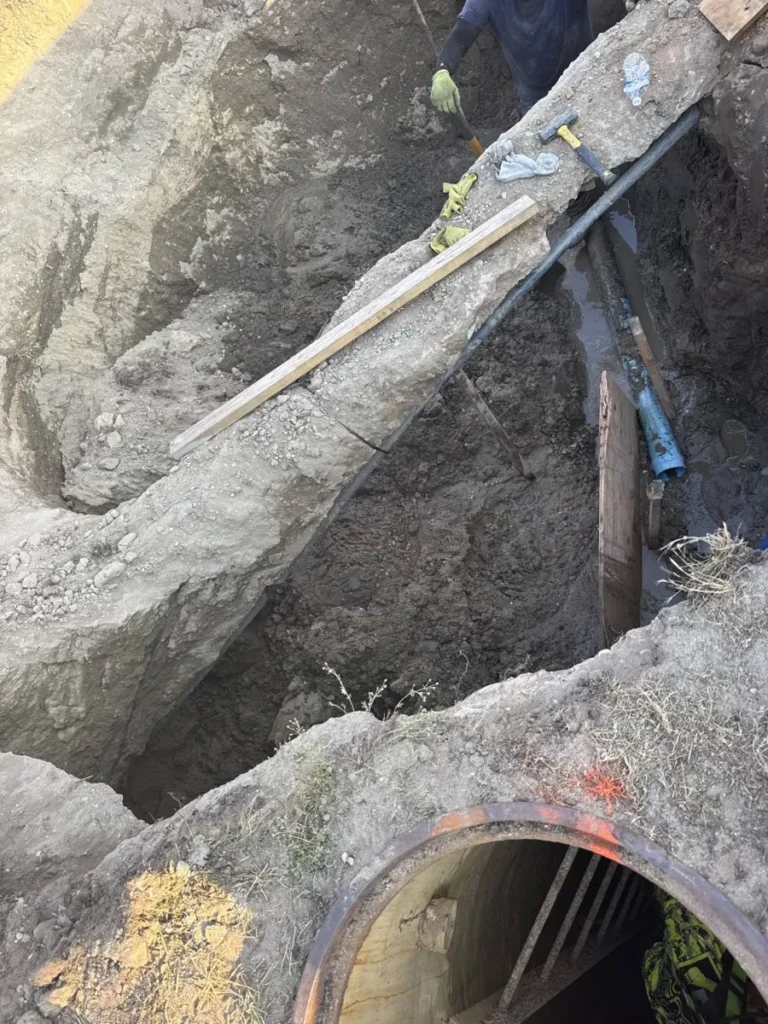
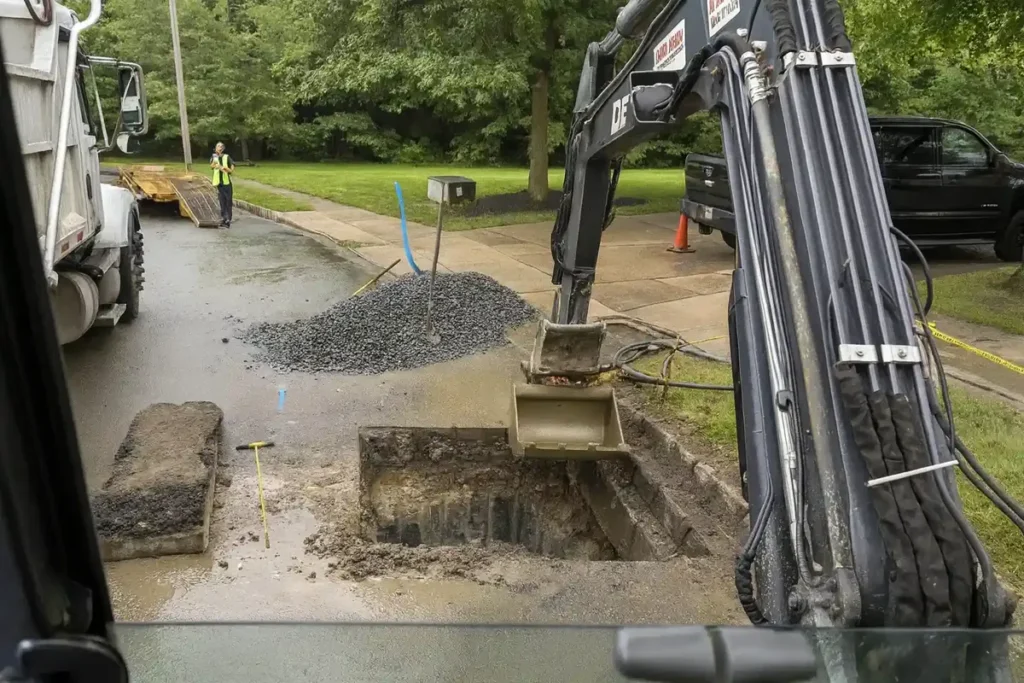
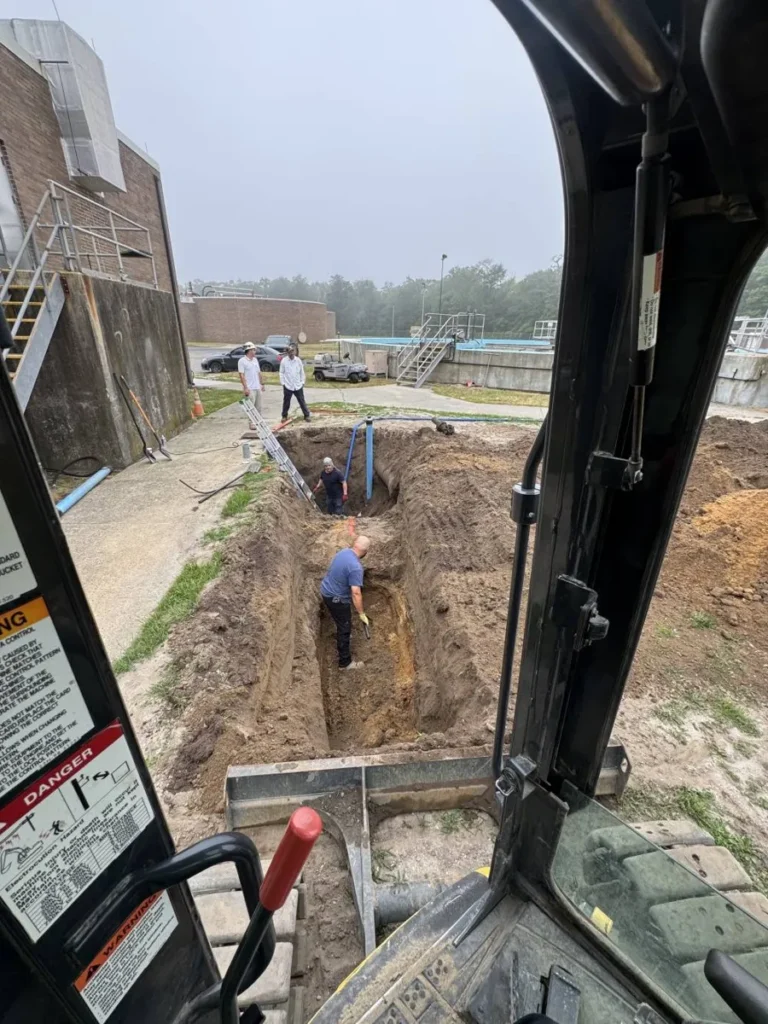
Sewer line trench excavation for root damage repair in New Jersey
Uncategorized

How Do You Know If Your Sewer Line Is Collapsed?

How Do You Know If Your Sewer Line Is Collapsed? What a Collapsed Sewer Line Actually Means A collapsed sewer line means a section of pipe has caved in, broken apart, or shifted so badly that waste can no longer pass through. Unlike a clog, which can be cleared with a snake or hydro jetter, a collapsed pipe requires physical repair or replacement of that section. The Sewer Kings handle collapsed drain repair and sewer line repair across South Jersey. The most reliable way to confirm a collapse is a camera inspection. But before you call, these are the warning signs that point to this type of failure. Warning Signs That Point to a Collapsed Sewer Line Every Drain in the House Is Slow or Backed Up When a single drain is slow, the problem is usually local to that fixture. When all or most of your drains are slow or backed up at the same time, and the toilet gurgles when you run water elsewhere, the problem is in the main sewer line. A partial collapse narrows the pipe enough to stop normal flow. A full collapse stops everything. Raw Sewage Backing Up Through Floor Drains Floor drains are the lowest point in a home’s plumbing. When a main sewer line collapses, sewage has nowhere to go and backs up through these drains first. If you see sewage or dirty water coming up from a basement floor drain, treat it as an emergency. Do not use any plumbing until the line is inspected. Sinkholes or Soft Spots in the Yard When a pipe collapses underground, the soil above it loses support and begins to cave in. This shows up as a sunken depression, a soft patch of ground, or in serious cases, an actual sinkhole. If part of your yard has suddenly settled or changed shape, the sewer line underneath could be the cause. A Strong Sewage Smell Near the Foundation or Yard An intact sewer line contains odors underground. A collapsed section allows gases and liquid to seep into surrounding soil. If you smell sewage near the perimeter of your home or in a specific area of the yard, it is worth investigating the pipe beneath that area. Unusually Green or Fast-Growing Grass in One Spot Sewage is rich in nutrients. When a pipe leaks or collapses, it releases those nutrients into the surrounding soil. A patch of lawn that is visibly greener, lusher, or growing faster than the rest of the yard, especially near the sewer line route, is a classic sign of a subsurface leak or collapse. What Causes a Sewer Line to Collapse Age and Pipe Material Clay tile pipes installed in homes built before the 1970s can crack under ground pressure and the weight of soil and traffic above them. Cast iron corrodes from the inside. Both materials have a finite lifespan, and homes in older South Jersey neighborhoods often have pipes that are past it. Tree Root Damage Roots do not just clog pipes. They exert steady pressure on the pipe walls as they grow. Over time, this pressure cracks the pipe from the outside. Once a crack forms, roots enter from inside and accelerate the deterioration until the pipe cannot hold its shape. Ground Shifting and Soil Erosion Soil movement from freeze-thaw cycles, nearby construction, or erosion under the pipe can shift the ground enough to offset a pipe joint or crack a section. New Jersey winters, with repeated freezing and thawing, put seasonal stress on underground pipes. If the line collapsed because of ongoing root intrusion, you may also want to read about what causes a main sewer line backup since the same trees that cause backups can eventually collapse the pipe. How to Confirm and Fix a Collapsed Sewer Line A CCTV camera inspection is the only way to confirm a collapse with certainty. The technician feeds a camera through the clean-out access point and views the pipe from the inside. This shows exactly where the collapse occurred, how much pipe is affected, and what condition the surrounding sections are in. Repair options depend on the extent of damage. A single collapsed section can often be fixed with targeted excavation and pipe replacement. A line with multiple damaged spots may require full replacement. The NASSCO Pipeline Assessment and Certification Program sets the industry standard for grading pipe condition via camera inspection, giving homeowners an objective assessment of what needs to be fixed. Before committing to any repair, it helps to understand the likely costs. Our article on sewer line repair costs in NJ covers what homeowners in South Jersey typically pay for different types of repairs. Repair Options for a Collapsed Sewer Line in South Jersey Targeted Excavation and Pipe Replacement When a single section has collapsed and the rest of the pipe is intact, the technician excavates that specific area, removes the damaged segment, and installs new pipe. This is the most common repair for localized collapse. Full Line Replacement When the camera reveals multiple collapsed or severely deteriorated sections across the full run, a full replacement is more cost-effective than repeated spot repairs. New PVC or HDPE pipe is installed from the house to the street connection. Pipe Lining (When Applicable) In some cases where the pipe has not fully caved in but has significant cracking, an interior lining can reinforce the pipe without excavation. This is not suitable for a fully collapsed section but can work for pipes that are cracked and at risk of collapse. Repair costs in New Jersey vary based on the method used and the depth of the pipe. See our article on sewer line repair costs in NJ for a detailed cost breakdown before your estimate. Frequently Asked Questions About Collapsed Sewer Lines Can you repair a collapsed sewer line without digging up the yard? In some cases, yes. If the collapse is localized and the surrounding pipe is in good condition, a pipe lining technique can be used to reinstate

What Causes a Main Sewer Line Backup?
Uncategorized

What Causes a Main Sewer Line Backup?

What Causes a Main Sewer Line Backup? The Main Sewer Line: Where All Drains Meet Every drain in your home connects to one pipe: the main sewer line. This single pipe carries all waste from toilets, sinks, showers, and appliances to either the city sewer system or a septic tank. When it fails, the effects show up everywhere in the house at once. The Sewer Kings respond to main line backups throughout South Jersey. Whether the issue is a grease clog, root intrusion, or structural failure, the fix starts with a camera inspection to confirm the cause. Drain cleaning can resolve many backups quickly. Others require sewer line repair to fix the underlying problem. The Most Common Causes of Main Sewer Line Backups Tree Root Intrusion Tree roots are the leading cause of main sewer line blockages in established neighborhoods. Roots naturally grow toward moisture, and sewer lines are a constant source of water and nutrients. They enter through small cracks or loose joints and grow into thick mats that trap waste and eventually block flow completely. South Jersey neighborhoods with mature oak and maple trees are especially prone to this. Grease and Fat Buildup Cooking grease poured down kitchen drains does not stay liquid. It cools, solidifies, and sticks to pipe walls. Over time, grease layers narrow the pipe’s interior until even water struggles to pass. Hydro jetting is the most effective way to remove grease buildup from a main line. Flushing Non-Flushable Items Wipes, paper towels, cotton products, and hygiene items do not break down in water the way toilet paper does. Even products labeled as flushable by manufacturers have been shown to cause blockages in municipal and residential sewer lines. These items accumulate in the line and create dense masses that other waste cannot push past. Pipe Deterioration and Collapse Older homes in South Jersey sometimes have clay tile or cast iron sewer lines from the mid-20th century. Clay tile is brittle and cracks under soil pressure. Cast iron corrodes from the inside. Once a pipe segment collapses or offsets, sewage has nowhere to go and backs up into the home. Municipal Sewer Blockages Occasionally, the problem is not in your line but in the city main. When the city sewer becomes overwhelmed during heavy rain or has a blockage, sewage can push back up through home connections. If multiple neighbors are experiencing backups at the same time, this is worth investigating with the local municipality. How to Tell Where in the System the Problem Is The pattern of backup gives you clues about the location. If only one fixture is slow or backed up, the clog is likely in the branch drain for that fixture. If multiple fixtures are backing up at once, especially toilets and floor drains, the problem is in the main line. Running water in one part of the house and seeing it back up through a different fixture is a clear indicator that the main line is restricted. Gurgling sounds from drains after flushing a toilet points to the same cause. A camera inspection removes all guesswork. The technician can see exactly where roots have entered, where grease has built up, or where a pipe has shifted or collapsed. If you are noticing multiple signs at once, also read what the warning signs of sewer line damage look like before deciding on next steps. How to Reduce the Risk of Main Sewer Line Backups Schedule Periodic Drain Maintenance Having your main line inspected and cleaned every two to three years catches buildup before it becomes a backup. Homes with mature trees or a history of blockages benefit from annual service. Be Careful What Goes Down the Drain Keep grease, wipes, and any non-biodegradable items out of drains and toilets. Use a drain screen on kitchen sinks to catch food particles. These simple habits extend the time between professional cleaning visits. Address Tree Root Issues Early If roots have been found in your line before, they will return. Regular hydro jetting removes them before they grow large enough to cause a backup. In some cases, a pipe lining treatment can seal cracks and prevent root re-entry without full excavation. If you want to understand what hydro jetting involves and how it prevents these backups, read our full breakdown of how hydro jetting works. What to Do When a Main Line Backup Happens Stop Using Plumbing Immediately Every flush and drain you run adds more sewage to the backed-up system. Stop using all plumbing until the line is cleared. This limits water damage and reduces the risk of raw sewage spreading inside your home. Do Not Use Chemical Drain Cleaners Chemical drain cleaners are ineffective on main line backups and can damage older pipes. They also create a hazardous environment for the technician who needs to work on the line. Skip them entirely. Call for Emergency Drain Service A main line backup is not a wait-and-see situation. The Sewer Kings provide emergency drain service throughout South Jersey. A camera inspection confirms the cause and the technician can begin clearing the line the same visit. If you are not sure whether the signs you are seeing indicate a main line problem or something more serious like a collapse, read how to know if your sewer line is collapsed before calling. Frequently Asked Questions About Sewer Line Backups Is a main sewer line backup a plumbing emergency? Yes. Raw sewage backing up into your home is a health hazard and can cause significant property damage. Do not use any plumbing fixtures until the line is cleared. Call a licensed drain service immediately. The Sewer Kings offer emergency response across South Jersey. Can heavy rain cause a sewer line backup? Yes, in areas served by combined sewer systems that carry both stormwater and sewage in the same pipes. During heavy rain events, the volume exceeds capacity and sewage backs up into homes. NJ DEP tracks combined sewer overflow events in New Jersey and works with municipalities

Side-by-side cost comparison of pipe relining versus traditional sewer line replacement in New Jersey
Uncategorized

How Much Does Sewer Line Repair Cost in NJ?

How Much Does Sewer Line Repair Cost in NJ? What Drives Sewer Line Repair Costs in South Jersey Sewer line repair is not a one-size-fits-all job. The cost depends on several factors: how much of the pipe is damaged, how deep it is buried, what caused the failure, and whether a simple repair or a full replacement is needed. The Sewer Kings provide sewer line repair throughout South Jersey. Prices here reflect what homeowners in the Camden, Burlington, and Gloucester County areas actually pay. Estimates from out-of-area sources often do not account for local labor rates, permit requirements, or soil conditions in this region. All numbers below are general ranges based on common job types in New Jersey. Your specific repair cost depends on a camera inspection and assessment. We never provide firm pricing without seeing the line first. Before diving into numbers, it helps to know the warning signs that indicate you actually need a repair rather than a simple cleaning. Common Sewer Repair Types and What They Cost in NJ Spot Repair (Single Section) When damage is limited to one section of pipe, a spot repair excavates that area, removes the damaged section, and replaces it. In South Jersey, this typically runs between $1,500 and $4,000 depending on depth and pipe size. Shallow repairs near the surface cost less. Pipes buried more than five feet require more excavation and cost more. Collapsed Drain Repair A fully collapsed section requires excavation and replacement of that span of pipe. Costs typically range from $3,500 to $12,000 depending on how much pipe is involved and the access conditions. Landscaping, driveways, or concrete over the collapse point will add to the cost. Learn more about how to identify a collapsed sewer line before getting an estimate. Full Sewer Line Replacement When the entire line from the house to the street is deteriorated or has multiple points of failure, full replacement is more cost-effective than repeated spot repairs. In New Jersey, a full replacement typically costs $8,000 to $20,000 or more, depending on the length of the run and site conditions. Root Clearing and Hydro Jetting If roots are the problem and the pipe itself is intact, hydro jetting to clear the roots is significantly less expensive, often $350 to $800 for a residential line. This is a maintenance service, not a structural repair. If roots keep returning, it usually signals a crack or gap in the pipe that needs to be fixed. New Jersey Factors That Affect Your Sewer Repair Bill Permits In New Jersey, sewer line work that connects to a municipal sewer typically requires a permit from the local municipality. Permit fees in South Jersey vary by township and the scope of work. Permit costs are separate from labor and materials and can add $200 to $800 or more to the total depending on the township. Pipe Material Older homes in South Jersey often have clay tile or cast iron sewer lines. These materials can last for decades but are susceptible to root intrusion and corrosion. Replacing old clay or cast iron with modern PVC or HDPE pipe costs more upfront but eliminates repeat problems. Access and Depth Pipes buried under driveways, patios, or mature tree roots require more labor to access. Deeper pipes also take longer to expose. Both factors push the cost upward. A camera inspection before any repair confirms depth and access conditions so there are no surprises in the estimate. Before committing to a repair quote, it helps to understand what the signs of sewer line damage look like and whether the situation is urgent. Catching a problem early almost always lowers the total cost. How to Get an Accurate Repair Estimate The only way to get an accurate sewer repair estimate is to have a camera inspection first. Any company that quotes you a firm price over the phone without seeing the line is guessing. The camera tells the technician exactly where the damage is, what caused it, and how much pipe needs to be addressed. New Jersey also requires licensed contractors to perform sewer work that connects to the municipal system. The NJ Division of Consumer Affairs maintains licensing standards for plumbing and drainage contractors. Always ask to see proof of license before work begins. If you are unsure whether your pipe needs repair or full replacement, read our article on what causes a main sewer line backup for context on how different failure types are typically addressed. Questions to Ask Before Hiring a Sewer Repair Company in NJ Are You Licensed in New Jersey? Any contractor doing sewer work connected to a municipal system in New Jersey must hold a valid state license. Ask to see the license number and verify it through the NJ Division of Consumer Affairs. Unlicensed work can create permit and liability problems. Do You Do a Camera Inspection First? A reputable sewer repair company starts with a camera inspection before quoting any repair. If a company offers a fixed price without ever looking at the pipe, that is a red flag. What Is Included in the Quote? Ask whether the quote includes permit fees, backfill and compaction after excavation, surface restoration, and cleanup. These are real costs that can add up if they are not included in the initial number. If you are still determining whether repair or replacement is the right call, read our article on the signs you need sewer line repair to understand the scope of the problem before your estimate. Frequently Asked Questions About Sewer Repair Costs in NJ Does homeowners insurance cover sewer line repair in New Jersey? Standard homeowners insurance in New Jersey typically does not cover sewer line repairs unless the damage was caused by a covered event like a sudden burst. Gradual deterioration, tree roots, and normal wear are usually excluded. Some insurers offer sewer line endorsements as add-ons. Check your policy and ask your insurer before assuming coverage. Is it cheaper to repair or replace a sewer line?

What Are the Signs You Need Sewer Line Repair?
Uncategorized

What Are the Signs You Need Sewer Line Repair?

What Are the Signs You Need Sewer Line Repair? Why Catching Sewer Line Problems Early Matters Sewer line damage gets worse over time. A small crack or root intrusion that goes untreated can turn into a full collapse. The Sewer Kings handle sewer line repair across South Jersey, and the calls we respond to most often started with warning signs the homeowner noticed weeks earlier but did not act on. Catching a problem early usually means a repair instead of a full replacement. It also means less disruption to your yard and a much lower bill. The signs below are the ones that show up most consistently before a serious failure. Indoor Warning Signs of Sewer Line Trouble Multiple Drains Backing Up at the Same Time If one drain is slow, the problem is probably isolated to that fixture. If your toilet, bathtub, and sink are all draining slowly at the same time, the issue is in the main sewer line. All household drains connect to one main line that carries waste to the city sewer or your septic system. Sewage Odor Inside the House A properly working sewer line keeps gas contained underground. If you smell sewage inside your home, especially in the basement or near floor drains, it means gas is escaping somewhere along the line. This is a health hazard, not just a nuisance, and it needs to be addressed quickly. Gurgling Sounds From Drains or Toilets When you flush a toilet and hear gurgling from a nearby drain, or when water going down one drain causes bubbles in another, that is air trapped in the line. It usually means a partial blockage is creating back pressure in the system. Toilets That Back Up When You Run Water Elsewhere Running the washing machine and seeing water rise in the toilet is a classic sign of a main line problem. The system is so restricted that waste has nowhere to go and backs up through the nearest low-lying fixture. Outdoor Warning Signs to Check in Your Yard Wet or Soggy Patches in the Yard If part of your yard stays wet even when it has not rained, or if you notice a patch of grass that is suddenly greener and growing faster than the rest, that is often a sign of a sewage leak underground. Sewage acts as a fertilizer, which is why affected areas grow quickly. Sinkholes or Sunken Ground A break or collapse in the sewer line underneath your yard can cause the soil above it to shift and sink. If you see a depression forming in your lawn, have the line inspected before anyone walks over that area. Sinkholes from sewer failures can deepen quickly. Pest Activity Near Drains Rodents and insects are attracted to breaks in sewer lines. If you notice a sudden increase in pests near your foundation or around outdoor drains, a damaged line may be giving them an entry point and a food source. If you are seeing these signs, a camera inspection can confirm what is happening inside the pipe. Learn more about how to know if your sewer line is collapsed, which covers the more advanced stage of these same warning signs. What to Do When You Spot These Signs Do not wait and hope the problem resolves on its own. Sewer lines do not self-heal. A camera inspection is the correct first step. It gives you a clear picture of exactly what is happening inside the pipe without any digging. Once you know the cause, the options become clear. Root intrusion in an otherwise healthy pipe may be cleared with hydro jetting. A cracked or offset section needs targeted repair or excavation. A pipe that has collapsed needs full sewer line repair. The National Association of Sewer Service Companies recommends camera inspection as the standard diagnostic before any sewer repair, because it avoids unnecessary digging and accurately targets the problem area. How Pipe Age and Material Factor Into Sewer Line Problems Clay Tile Pipes Many South Jersey homes built before 1970 have clay tile sewer lines. Clay is brittle and susceptible to cracking under ground pressure. It is also easy for tree roots to enter through the joints between tile segments. Cast Iron Pipes Cast iron pipes are strong but they corrode from the inside over time. The rough interior surface that develops from corrosion collects grease and debris faster than a smooth PVC pipe. When Age Alone Is a Warning Sign If your home is more than 50 years old and has never had the sewer line inspected or replaced, the pipe’s condition is worth checking even if you are not seeing obvious problems. A camera inspection is a straightforward way to know what you have. Frequently Asked Questions About Sewer Line Repair Signs Can a sewer line collapse without any warning signs? A complete sudden collapse is rare. Most pipe failures develop over months or years. Slow drains, gurgling, and wet spots in the yard almost always appear before a full collapse. The problem is that these signs can be easy to dismiss at first. How do I know if the clog is in my line or the city sewer? If every fixture in your home is backing up at once, the problem is usually in your main line between the house and the street. If neighbors are experiencing the same issue, it may be in the city main. A licensed drain service can run a camera to pinpoint exactly where the blockage or break is located. How quickly does sewer line damage worsen? It depends on the cause. A small root intrusion can stay stable for a while but grows faster in spring and fall. A cracked pipe carrying full sewage load will erode more quickly. Once you see multiple symptoms at the same time, treat it as urgent. The cost of repair increases significantly once surrounding soil is contaminated. Seeing Warning Signs? Do Not Wait. The Sewer Kings provide sewer line repair and

Hydro jetting drain cleaning service in progress at a South Jersey home
Uncategorized

What Is Hydro Jetting and How Does It Work?

What Is Hydro Jetting and How Does It Work? The Basics of Hydro Jetting Hydro jetting is a drain cleaning method that uses a high-pressure stream of water to clear blockages inside pipes. A plumber or drain technician feeds a special hose into the drain. The hose has a nozzle on the end that shoots water at pressures up to 4,000 PSI in multiple directions at once. Unlike a drain snake, which pokes a hole through a clog, hydro jetting scrubs the inside walls of the pipe completely clean. The Sewer Kings use hydro jetting throughout South Jersey as a core part of their drain cleaning and hydro jetting service. It works on residential and commercial lines alike. Before the technician runs the jetter, they almost always run a camera down the line first. This confirms what is causing the blockage and checks the pipe condition. A pipe that is cracked or already failing could be made worse by high-pressure water, so the camera step protects the homeowner. What Hydro Jetting Can Remove From Your Pipes Hydro jetting is one of the few methods that handles all major types of pipe buildup in one pass. Here is what it clears. Grease and Fat Buildup Kitchen drains collect cooking grease over time. Grease sticks to pipe walls and narrows the flow until water barely moves. High-pressure water blasts this layer off completely and flushes it out of the line. Tree Roots Tree roots enter pipes through small cracks and joints. They grow into thick masses that trap waste. A hydro jetter cuts roots apart and flushes them downstream. For heavy root intrusion, the technician may combine jetting with root-cutting blades. Mineral Scale Hard water in South Jersey leaves behind calcium and mineral deposits. Over years, scale builds up on pipe walls the same way it builds up in a kettle. Hydro jetting pressure strips this scale away and restores full pipe diameter. Soap Scum and Debris Bathroom drains collect soap, hair, and toothpaste sludge. The nozzle on a hydro jetter sprays backward as well as forward, so it clears the pipe in both directions during the same pass. How the Hydro Jetting Process Works Step by Step Step 1: Camera Inspection The technician runs a CCTV camera through the drain to locate the blockage and check pipe condition. This step also spots cracks or collapses that need repair before jetting. Step 2: Hose Insertion The jetter hose goes into the pipe through a cleanout access point. The hose is flexible and reaches hundreds of feet into the line. Step 3: High-Pressure Flush Water pressure activates and the nozzle begins moving through the pipe. The forward jet breaks up the clog. The backward-angled jets propel the hose forward and rinse debris toward the drain outlet. Step 4: Debris Removal All loosened material flushes out through the sewer system. The technician may do a second camera pass to confirm the pipe is fully clear before wrapping up. When Hydro Jetting Is the Right Choice A standard drain snake works fine for a simple clog near the surface. But there are situations where hydro jetting is the better option. If a drain has been snaked before but clogs keep coming back within a few months, that is a strong sign of pipe wall buildup. The snake opens a passage but leaves the coating in place. Hydro jetting removes the source of the problem. Restaurants and commercial kitchens almost always need hydro jetting. Grease volume in a commercial kitchen is far higher than in a home, and it coats pipes faster. Many commercial properties schedule hydro jetting on a regular maintenance basis rather than waiting for a backup. If a camera inspection reveals heavy root intrusion or scale, the technician will recommend jetting. You can read more about when signs point to bigger problems in our article on what causes a main sewer line backup. For pipes that are severely corroded or collapsed, jetting is not the right solution. Those situations call for sewer line repair instead. Hydro Jetting vs Drain Snaking: What Is the Difference How a Drain Snake Works A drain snake is a long coiled cable that a technician feeds into the pipe. It pushes through or breaks apart a soft clog and creates an opening for water to pass. It works well on fresh, localized clogs close to the fixture. Why Snaking Is Not Always Enough A snake does not clean the pipe walls. After it clears the blockage, the buildup that caused the clog stays in place. Clogs return faster because there is already a rough surface for new debris to catch on. When Hydro Jetting Is the Better Option Hydro jetting removes the buildup entirely. The pipe wall is clean after jetting, which means less material for future clogs to start on. For recurring clogs, grease accumulation, or root intrusion, jetting produces a more durable result than snaking alone. Frequently Asked Questions About Hydro Jetting Is hydro jetting safe for old pipes? Hydro jetting can be used on most pipe materials, including cast iron, PVC, and clay tile. The key is the camera inspection that happens first. If the camera shows the pipe is already cracked or structurally weak, the technician will recommend repair before jetting. A well-maintained older pipe handles hydro jetting without a problem. How long does hydro jetting take? Most residential hydro jetting jobs take one to two hours from setup to cleanup. Commercial lines or heavily blocked main sewer lines can take longer. Your technician will give you a time estimate after the camera inspection. How often should I have my drains hydro jetted? For a typical home, hydro jetting every two to three years keeps lines clear. Homes with mature trees nearby or that have had repeated clogs may benefit from annual service. Commercial kitchens often schedule it quarterly. The EPA and plumbing trade associations recommend periodic professional drain maintenance rather than waiting for backups. Clear Drains Fast With Professional Hydro Jetting The

Scroll to Top