Author name: remodeltitans@gmail.com

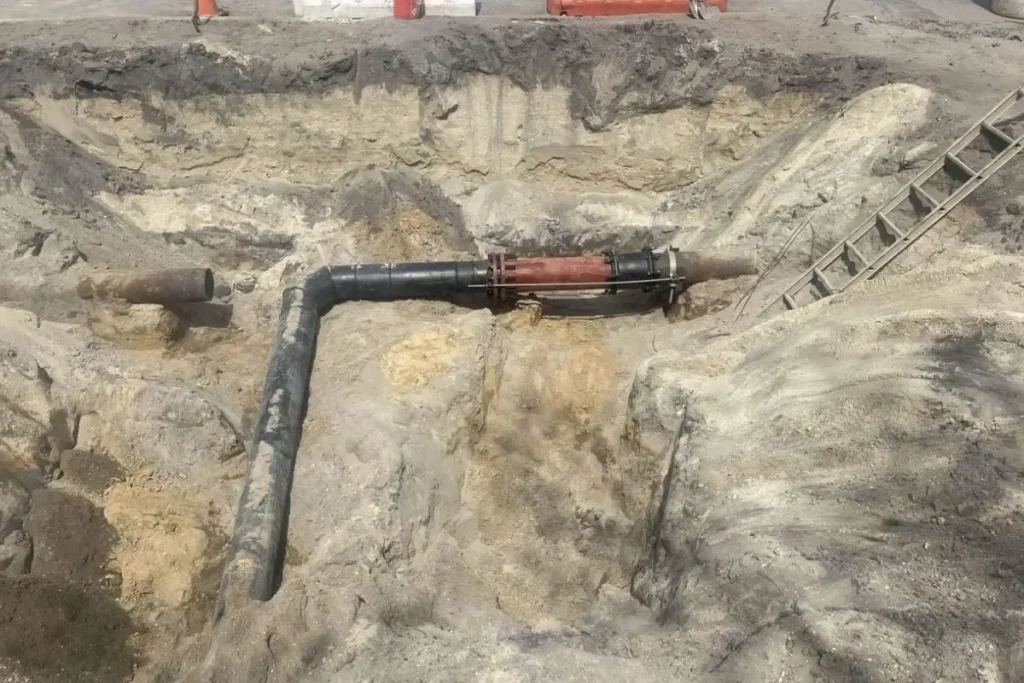
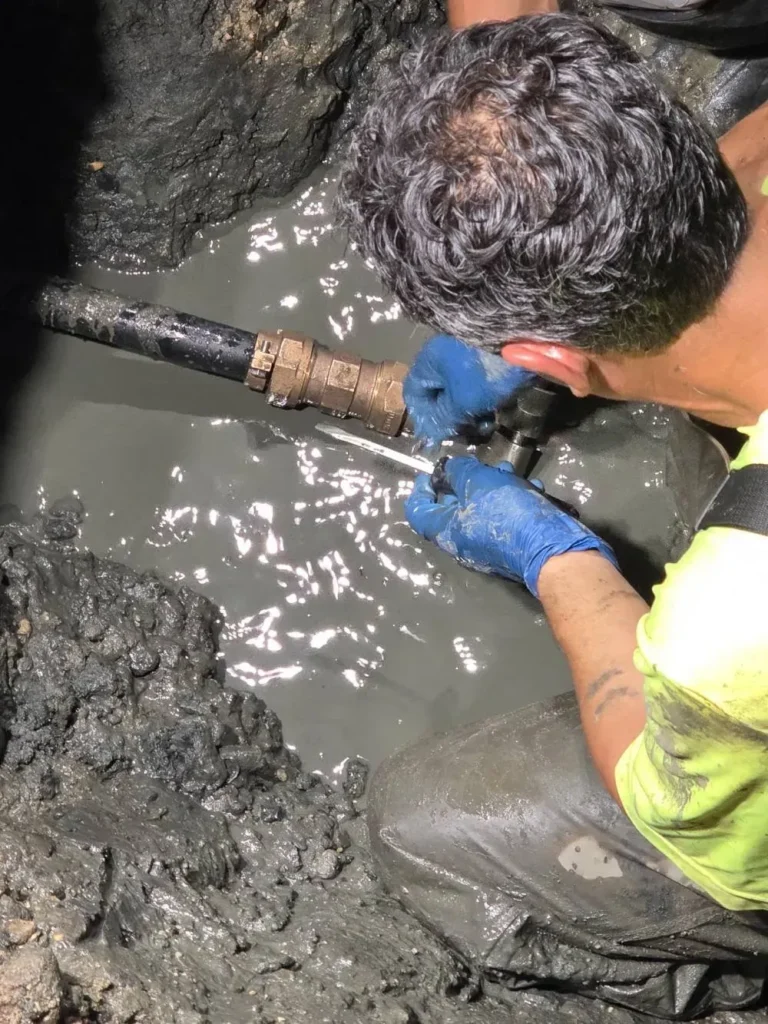
Plumber repairing a drain line connection in South Jersey
Uncategorized

Do Enzyme Drain Cleaners Actually Work?

What Enzyme Drain Cleaners Can and Cannot Do Yes, enzyme drain cleaners work, but only on light, slow buildup like grease film and soap scum. They will not clear a stopped drain, and they do little for hair or roots. If a drain keeps clogging, a professional drain cleaning service finds the real cause. Below, we cover how these products work, how long they take, and when to skip them. We also share what we see on service calls in South Jersey homes. How Do Enzyme Drain Cleaners Work? Enzyme cleaners use natural proteins, and often live bacteria, to digest organic waste. Think grease, food scraps, soap film and hair. The enzymes feed on that waste and slowly break it into smaller pieces that rinse away. They Work Slowly Most labels tell you to pour the product in at night and let it sit for six to eight hours. A stubborn spot may need several nights in a row. A chemical opener acts in minutes. An enzyme product needs patience. They Only Eat Organic Waste Enzymes cannot dissolve a wad of wipes, a toy, or a plastic cap. They also cannot break up tree roots or fix a cracked pipe. If the clog is not made of food, grease or soap, the product has nothing to digest. Where They Do Help A kitchen drain that runs a little slow from grease film is a good fit. So is a bathroom sink with soap buildup. Used on a schedule, an enzyme product can keep light buildup from growing. Keep your expectations modest. An enzyme cleaner is a maintenance product, not a repair. It can slow down buildup, but it cannot undo years of it. Think of it like brushing your teeth. It helps every week, but it will not fix a cavity. Even then, results vary. For a deeper look at what builds up inside a sink line, read our post on why a bathroom sink drains slowly. Enzyme Cleaners vs. Chemical Cleaners vs. a Professional The three options solve different problems. The chart shows how they compare on speed, best use, and risk to your pipes. Chemical openers are fast but harsh. The MedlinePlus poisoning guide names sodium hydroxide as a main ingredient and warns it can burn skin, eyes and the throat. Enzyme products avoid that risk, which is their biggest selling point. Enzyme products also vary a lot from brand to brand. Some hold live bacteria that can go inactive on a hot shelf. Others are mostly water. The label rarely tells you how strong the mix is, so results can differ from one bottle to the next. A professional visit is the only option that clears the whole line and shows you what is inside. A crew can run hydro jetting to scrub the pipe walls, then use a camera to check the pipe. Cost matters too. Our hydro jetting cost guide explains what a visit runs, so you can weigh it against months of repeat bottles. If you want the full case against the harsh stuff, we cover it in a separate post on chemical cleaners. Enzymes are gentler, but gentle does not mean stronger. Why Enzymes Often Fall Short in South Jersey Homes Many homes in Evesham and across South Jersey have older drain lines made of cast iron or clay. Pipe that old gets rough on the inside. Grease, hair and debris catch on those rough spots, and roots find the seams. At The Sewer Kings, we do not start with a guess. Our crew runs a video camera through the line to find the root cause before we recommend a fix. That one step settles most of the guessing about what is really in the pipe. A clog that returns after a few days is a warning sign. It often means a bellied pipe, a root intrusion, or a joint that has shifted. A bottle of anything cannot fix those. It only hides the problem for a little while. There is a bigger reason for caution with grease. The city of Portland’s environmental services bureau notes that enzymes only temporarily change the physical properties of grease. The grease is not gone. It can harden again farther down the line. That is why a drain can seem fixed and then clog again further along. The grease just moved. Jetting removes it from the pipe wall instead of moving it down the line. Should You Try Enzymes or Call a Plumber? Try an enzyme cleaner if the drain is only a little slow and water still flows. Use it before bed, and follow the label. Give it two or three nights before you judge it. Skip it and call a pro in these cases. Water will not drain at all. More than one drain is slow. Sewage smells or gurgling sounds show up. The same drain has clogged more than once in a month. Cost is the last thing to weigh. A bottle is cheap, but a few bottles a month add up fast. If you keep buying them for the same drain, the money is better spent on one visit that fixes it. Never mix an enzyme product with a chemical opener. The chemical can kill the bacteria and leave harsh liquid in the pipe. If you already poured a chemical cleaner, let a pro handle it and tell them what you used. To prevent buildup in the first place, read what you should never put down your drain. You can also see how pros clear clogs in how professionals clear drains and compare methods in snaking vs. hydro jetting cost. If the chemical route is on your mind, our post on whether chemical drain cleaners are bad for pipes will help you decide. Frequently Asked Questions How long do enzyme drain cleaners take to work? Most need six to eight hours of sitting time, usually overnight. A slow drain may need two or three nights in a row. If nothing improves after
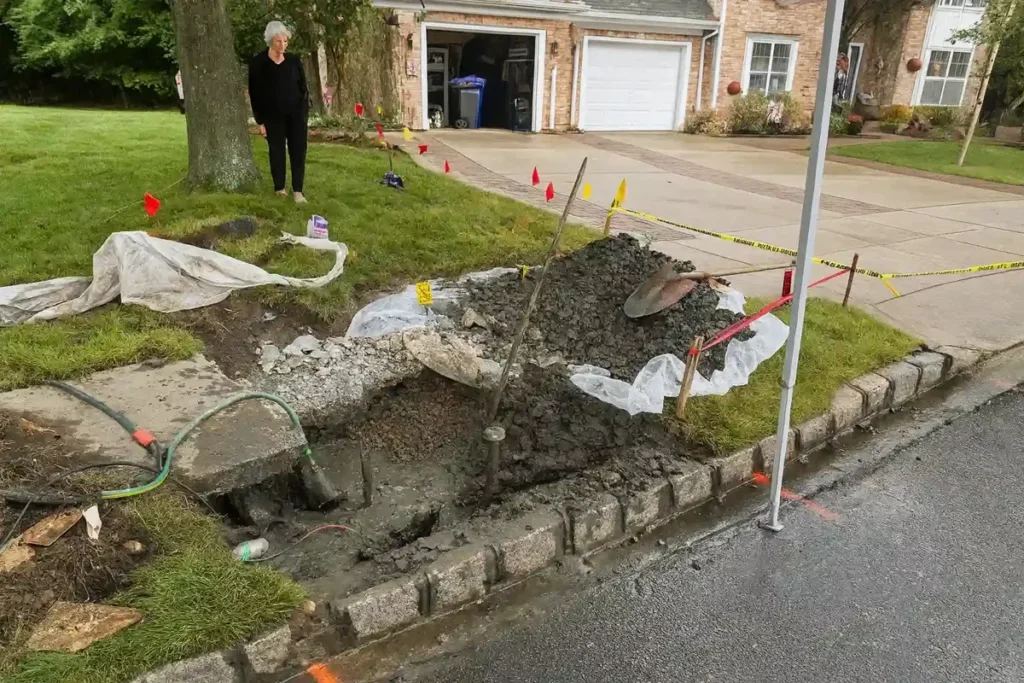
Utility marker flags and an open curbside dig on a lawn in Evesham, NJ
Uncategorized

What Is a Sewer Line Easement and How Does It Affect Repairs?

Sewer Line Easements: Who Can Dig on Your Property? A sewer line easement is a recorded legal right that lets a utility or neighbor enter part of your land to work on a sewer pipe. It affects repairs because it decides who can dig, where, and who pays. Our sewer line repair crews run into easements often, so here is how they work in plain terms. You still own the land under an easement. You just share the use of one strip of it. Knowing where that strip is can save you from a blocked repair, a fine, or a fight with a neighbor. What Does a Sewer Easement Let Someone Do? An easement gives the holder the right to use a strip of your property for a set purpose. For a sewer, that purpose is to reach the pipe. According to the San Francisco Public Utilities Commission the utility can enter to do routine maintenance, build improvement projects, and make emergency repairs. Easements are recorded. That means they stay with the land, even when the house sells. The next owner is bound by the same terms you are. Where you usually find them Most sewer easements run along a side or back property line. Some cross a front yard to reach the street. If a main sewer line serves several homes, it may cross a few lots. What the holder can and cannot do The holder can get in to inspect, clean, repair or replace the pipe. They usually must give notice first, except in an emergency. They are not allowed to take your land or use the strip for something unrelated to the sewer. What you can and cannot do You can mow it, plant grass and use it as yard space. You generally cannot build on it or block access. Many utilities will not pay to replace a shed, deck, fence or patio that was in the way. How Does an Easement Change a Sewer Repair? An easement changes three things on a repair: who gets access, who pays, and what you may build near the pipe. Access If the pipe is on your lot but the easement is for a neighbor or the town, they can reach it. If the pipe serving your house crosses a neighbor’s lot, an easement is what gives your plumber the right to dig there. Without one, you need the neighbor’s written permission. Who pays depends on who owns the pipe, not on who owns the land. The easement only controls access. The lateral is the pipe that runs from your house to the main. Utilities often make the homeowner responsible for it, even inside an easement. The SFPUC states that repair and replacement of a lateral in an easement area is the property owner’s job. Local rules differ, so check yours. What you can build Anything permanent on top of the easement can be removed if the pipe needs work. That includes sheds, decks, pools, fences and large trees. Roots from trees near the line can also damage the pipe, which brings the repair on sooner. Digging rules: any dig on an easement needs an 811 call first. Under New Jersey’s rule for excavators, notice goes in at least three business days before digging and no more than ten, according to N.J.A.C. 14:2-3.1 on the Cornell Legal Information Institute site. What Do Easements Look Like on a Real Dig in Evesham? On the curbside dig pictured at the top of this post, the lawn was covered in marker flags and paint before we opened the ground. Each color stands for a different buried line. That is the 811 markout at work. In South Jersey, a sewer line often runs through the same narrow strip as gas, water and electric. When we dig a sewer repair, we read those marks first and hand dig near any flag. That keeps the repair safe and keeps the homeowner out of trouble. Homeowners often tell us they did not know a sewer pipe crossed their yard at all. A quick look at the closing papers, the survey or the plat map usually answers it. If those do not, the local sewer authority can tell you. Sewer work in New Jersey also depends on pipe age. Many older homes still have clay or other aging pipe, and an easement can mean a long run to dig. That is one reason we offer trenchless sewer line replacement when the site allows it, so less of the strip gets torn up. How Do You Check for an Easement Before a Repair? Start with paperwork. Look at your title report, survey and deed. An easement shows up as a recorded strip with a width and a purpose. Next, find out where the pipe actually runs. Our guide on finding out where your sewer line runs walks through the steps. If you are not sure the pipe is yours alone, read how to find out if your drain is shared. Before any dig, call 811 and read does 811 locate sewer lines. The call is free, and it covers many buried lines, though not always a private sewer lateral. When the easement belongs to the town or a utility, talk to them before you hire anyone. When it crosses a neighbor’s land, get the permission in writing. Then hire a licensed contractor who will pull the right permits and keep the dig inside the easement. Sewer Line Easement FAQs Can a neighbor build over a sewer easement? Usually not. A permanent structure on an easement can block the holder’s access, and the holder may make the owner remove it. Check the recorded terms and your local code before building anything. Do I own the land under a sewer easement? Yes. An easement gives someone the right to use the strip, not ownership of it. You still pay taxes on it and can use it in ways that do not block access. If you live in Evesham or nearby,

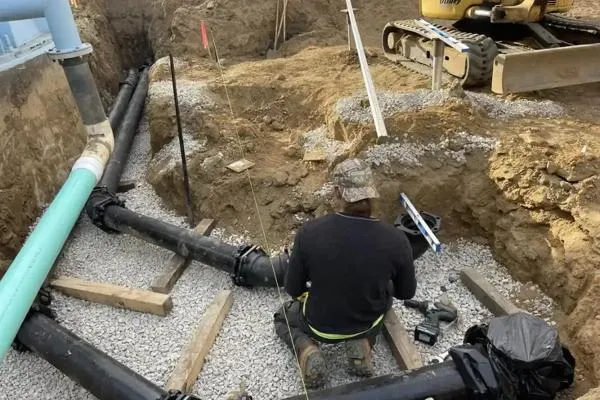
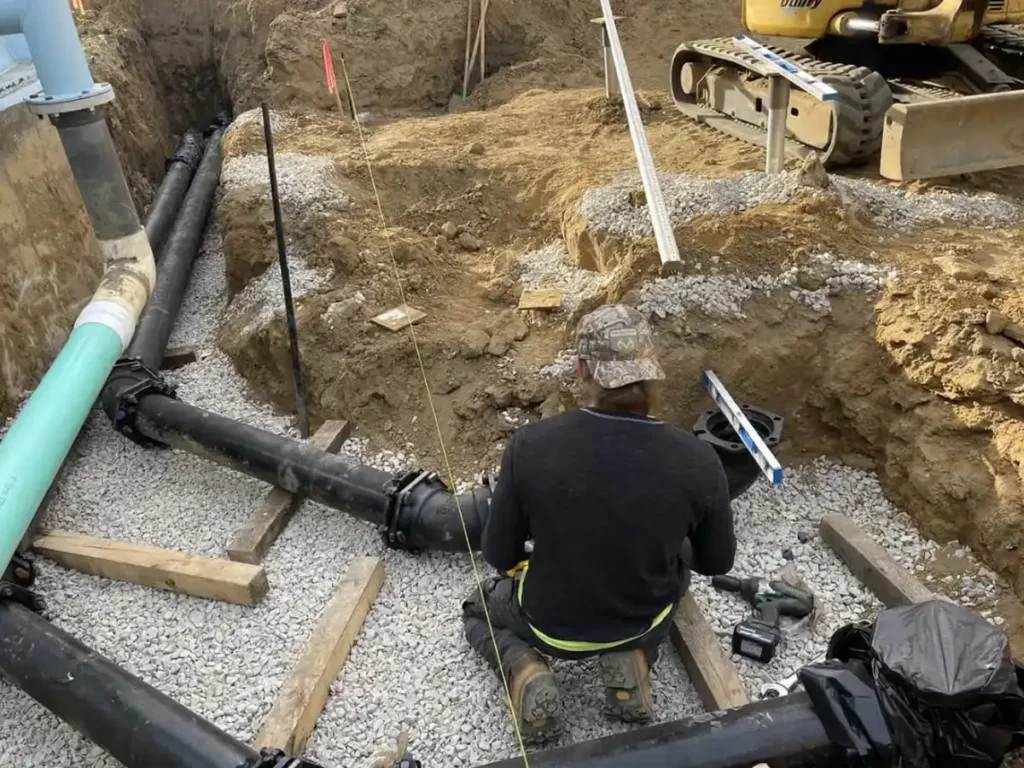
Crew member fitting a drain line on a gravel bed in an open dig in South Jersey
Uncategorized

How Long Does a Hydro Jetting Appointment Take?

Most home visits run about one to two hours. Here is what sets the length and what happens along the way. How Much Time Should You Set Aside for Hydro Jetting? Most homes need about one to two hours for hydro jetting. A bigger job can run longer. Long lines, thick buildup and hard access all add time. Many homeowners ask this before they book, because they need to plan work, kids and pets around the visit. A clear idea of the timeline removes the stress. This guide shows how the visit goes from start to finish. It also covers what changes the clock and how to get ready, so you can plan your day. How Long Does Hydro Jetting Usually Take? A typical home visit takes about one to two hours. One plumbing company says most hydrojetting jobs take one to two hours, depending on how bad the blockage is and where it sits. That time covers the whole visit, not only the water blasting. The crew sets up, looks inside the line, cleans it, checks the result and packs up. A Simple Clog A single slow drain with light buildup sits at the short end. The crew can reach it, clear it and confirm the flow in well under two hours. A Main Sewer Line The main line is the big pipe that carries everything out of your house. It is longer and often holds years of grease or roots. Expect the longer end of the range, and sometimes more. A Restaurant or Commercial Line Kitchens send grease down the pipe all day. Commercial lines are also wider and longer. Those jobs often take half a day or more, and some are planned for off hours so the business keeps running. Why Not a Fixed Number Two homes can book the same service and get different times. The pipe tells the story, and nobody knows what is inside until the camera goes in. What Happens During a Hydro Jetting Visit? Knowing the steps helps you see where the time goes. Here is the usual order. Step One: Access and Setup The crew finds the cleanout or the access point. They park, run the hose and set up the machine. A clear path makes this step quick. Step Two: Camera Look Before any jetting, the crew sends a camera into the line. This shows what is blocking the pipe and how the pipe looks. It also tells them which nozzle to use. Step Three: Jetting the Line A nozzle on the end of the hose sends water out at high pressure. The water scrubs grease, scale and debris off the pipe walls. Roots get cut back as the nozzle works through the line. The camera step is the one that keeps the visit honest. It stops guesswork. If the pipe is cracked or has shifted, the crew sees it before any pressure goes in. Step Four: Final Check The crew runs the camera again or tests the flow to confirm the line is clear. Then they pack up and explain what they found. Want the full process? Read our guide on what hydro jetting is and how it works. What Can Make Hydro Jetting Take Longer Around South Jersey? Four things move the clock. Angi notes that pipe length and layout affect how long the service takes. Buildup and access matter just as much. Line Length A longer run means more hose and more passes. Many South Jersey homes sit far back from the street, so the main line can be long. Type of Buildup Soft sludge clears fast. Thick grease and tangled roots take more passes. Roots often return, which is why a camera check matters. Access A cleanout that is buried, blocked or missing slows everything down. Crews sometimes have to find another way into the line. Pressure and Nozzle Choice More pressure is not always better. The crew picks a nozzle and pressure that fit the pipe material and the size of the line. Taking a little more care on a fragile line is time well spent. Pipe Layout Many bends and joints take more care. Older lines with rough walls can also hold more debris. Every Sewer Kings hydro jetting job starts with a camera inspection, so the crew knows what they face before the water turns on. Our machines run up to 4,000 PSI, and we match the nozzle and pressure to the pipe. Anthony Papaneri and the crew serve homes and businesses from Evesham across South Jersey. For cost details, see how much hydro jetting costs. How Do You Get Ready, and Is Hydro Jetting the Right Fix? A little prep saves time. Clear a path to the cleanout and the area around it. Move cars out of the driveway. Tell the crew if the drain has backed up before, and when. Plan to be home or reachable. Skip heavy water use until the crew says the line is clear, since extra water can slow the work. Hydro Jetting or Snaking Snaking pokes a hole through a clog. Jetting cleans the whole pipe wall. See our snaking versus hydro jetting cost breakdown to compare the two. Jetting makes the most sense when a drain keeps clogging, when grease or roots are the cause, or when snaking only helps for a week or two. It is a cleaning job for the whole pipe, not a quick poke. Older Pipes Worried about an old line? Read can hydro jetting damage old pipes before you book. The camera look helps the crew decide if jetting is safe. Book Early in the Day A morning start leaves room if the job runs long. It also means your water is back to normal by dinner. If you see slow drains in more than one fixture, tell the crew when you call, since that points to the main line. If the camera shows a cracked or collapsed pipe, jetting is not the answer. The crew will tell you

Sewer line pipe exposed in an open dig during root damage repair in South Jersey
Uncategorized

Can Tree Roots Grow Back After a Sewer Line Is Cleared?

Yes, they usually do. Here is how fast roots return, what slows them down and the only fix that stops them for good. Will Roots Come Back After the Line Is Clear? Yes. Tree roots can grow back after a sewer line is cleared, often within months. Clearing removes the roots inside the pipe. It does not close the crack they used to get in. Our root intrusion removal service clears the roots, and the next step decides how long the line stays clear. This guide shows how fast roots return after each type of cleaning, why they come back and what actually stops them. Why Do Tree Roots Grow Back in a Cleared Sewer Line? Roots return because the pipe still has an opening and still carries water. Roots follow moisture and nutrients, and a small leak at a joint shows them where to go. Roots do not break a healthy pipe on their own. NC State Extension says roots can only use cracks and gaps that already exist. Once a gap is there, any roots left behind keep growing. Cutting Leaves Fibers Behind A cutting head shears roots flush with the pipe wall. It cannot remove every fiber. Hair-like roots stay attached in cracks and joints, and they thicken again. The Tree Is Still Alive Clearing the line does not touch the tree. The roots outside the pipe keep growing toward the same moisture. Each new root finds the same gap. The Opening Never Closed A cleaned pipe is still a cracked or loose pipe. Until that joint is sealed, repaired or replaced, roots have a way back in. Think of it like weeds in a sidewalk crack. You can pull them out, but they return until the crack is filled. A sewer line works the same way, only the roots sit underground where you cannot see them. Older pipe makes this worse. Clay and cast iron lines installed before 1985 often have joints that have drifted apart. Each joint is a door that never shuts. How Long Before Roots Return After Each Type of Cleaning? The answer depends on the method. No cleaning method makes roots stop for good, but some buy much more time. Cable Cutting: Months Cutting restores flow right away. The roots left behind begin regrowing within months. Dense root balls can return fast because so much root stays in the joints. Cutting Plus Hydro Jetting: Often Years High-pressure water scrubs off the fine roots a cutter misses. On our South Jersey jobs, lines that needed cutting every year often go two to three years after we add hydro jetting. See what that costs in our hydro jetting cost guide. Foaming Root Treatment: Up to a Year Foaming products coat the pipe with a herbicide. The maker of RootX says its foam slows regrowth for up to one year. It only kills roots it touches and does not seal the crack. Pipe Repair: Fixes the Cause Spot repair, lining or replacement closes the opening. That is the only route that stops the cycle instead of delaying it. These ranges are rough. Soil moisture, tree type, tree size and pipe material all change the timeline. A willow or silver maple planted close to the line can send roots back faster than a small tree across the yard. Warning signs are the same each time. Slow drains, gurgling toilets and water backing up in a tub or basement drain mean roots may be back. Call before a full backup, because a partial clog is cheaper to clear than an overflow. What Do We See on South Jersey Sewer Lines? Clay soil in Burlington County holds moisture, and that draws roots to cracked sewer lines. Many Evesham homes were built in the 1960s and 1970s. Their clay tile pipes have bell-and-spigot joints sealed with mortar or tar. Those seals wear out over decades, and we find roots at those joints on camera again and again. Freeze and thaw cycles in New Jersey winters can widen cracks that are already there. Our crews check the line with a camera before and after root work. The footage shows where the roots got in and whether the pipe is still sound. The U.S. Forest Service reports that roots are blamed for more than 50% of all sewer blockages. We also tell homeowners what the camera does not show. It cannot show roots still growing outside the pipe. That is why we look at tree size and distance from the line as well as the footage. In our experience, a line that keeps clogging with roots almost always has a defect behind it. A single crack can let roots back in within months after cutting. Should You Clean Again or Fix the Pipe? Start with a camera. The footage tells you if roots are a one-time problem or a repeat one. Then pick the path that fits the pipe. Ask three questions. How old is the pipe? How many times have roots come back? Does the camera show cracks or separated joints? Your answers point to the right fix. Clean Again If the Pipe Is Sound If the camera shows a healthy pipe with one small entry point, regular cleaning may be enough. Plan the next visit before the roots return, not after a backup. Repair or Line a Cracked Pipe If roots keep returning, fix the opening. Learn how it works in our guide to pipe relining. It seals the inside of the pipe without digging up the whole yard. Lining works best when the pipe is still mostly whole. Replace a Failing Line Old clay pipe with many separated joints may not be worth repairing. Sewer line replacement or trenchless replacement removes every entry point at once. Want to know why roots pick your pipe in the first place? Read what causes tree roots to grow into sewer lines. Keep in mind that root killers only treat the roots they touch. They are a short-term tool, not a

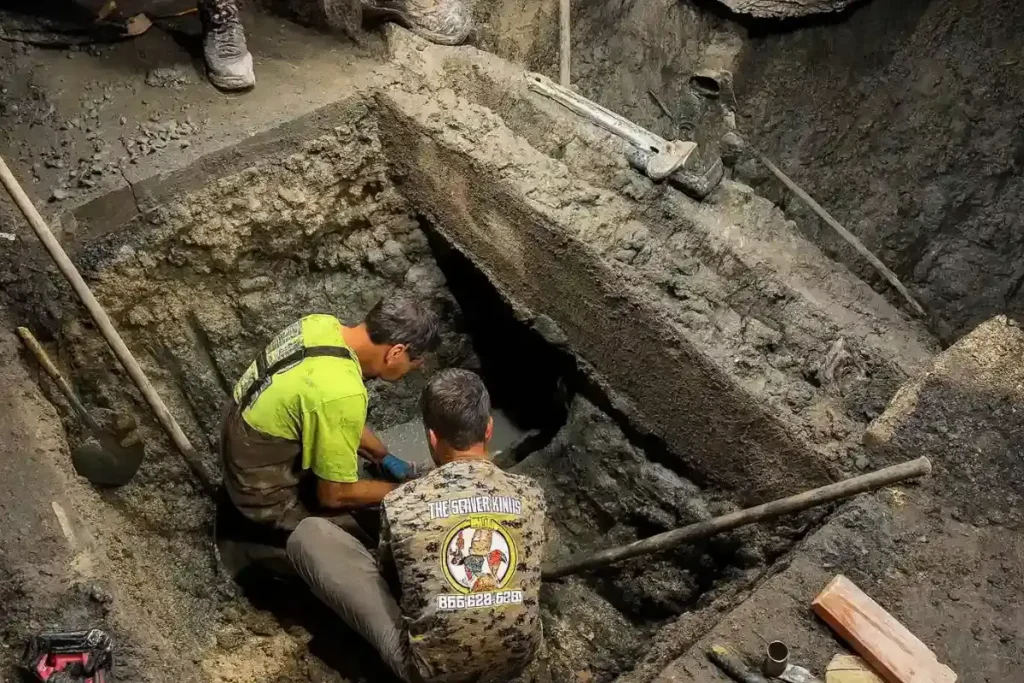
The Sewer Kings crew working at an exposed sewer line in an open excavation in Evesham, NJ
Uncategorized

Is a Basement Sewage Backup a Health Hazard?

Why Sewage in Your Basement Is Never Just a Mess Yes, a basement sewage backup is a health hazard. Raw sewage carries bacteria, viruses, and other germs that can make you sick. When a backup hits, a 24/7 emergency drain service call is the fastest way to stop the spread. This post covers the real health risks, what to do in the first hour, and when it is safe to be back in the space. What Health Risks Come From a Sewage Backup? Sewage can make you sick through your mouth, your skin, or open cuts. The Connecticut Department of Public Health says sewage contains bacteria, viruses, and other germs that can cause disease and make a house unfit for living. Stomach Illness The most common illness is gastrointestinal distress. That means nausea, diarrhea, and vomiting. It usually starts after germs get on your hands and then reach your mouth or food. Skin Rashes and Infections Handling soaked items can cause skin rashes and infections. This is why you should never touch raw sewage with bare hands. Cleaning With the Wrong Tools Mopping with bare hands or shared towels can spread germs to other rooms. Treat the job as a contamination cleanup, not a spill. Wear gloves and wash your hands when you finish. Not Everyone Faces the Same Risk Young children, older adults, pregnant women, and people with weak immune systems should stay out of the area. Pets should stay out too. A healthy adult in rubber gloves faces far less risk than a toddler crawling on the floor. What Makes One Backup More Dangerous Than Another? Four things change how risky a backup is, based on the same state health fact sheet. They are the amount of sewage, the types of germs in it, how long it touched materials in your home, and how long you were exposed. More solids in the water means a bigger need for fast, proper cleanup. Clear water from a sink overflow is not the same as water that came up through a floor drain. Time Is the Biggest Factor You Control The longer sewage sits on drywall, carpet, and wood, the higher the chance of illness. Porous items soak it up and hold it. Drying the space fast and removing soaked porous materials lowers the risk. Humidity Helps Germs Survive The same fact sheet notes that high humidity and mild temperatures help germs survive. Sunlight and disinfectants help kill them. A damp, closed basement is close to the worst case. Gas Can Build Up Too Sewer gas collects in closed spaces like a basement. It can cause headaches and nausea, and the smell tells you the space needs fresh air. Open windows if you can do so safely, and keep the area closed off from the rest of the home. The Smell Is a Warning Sign A strong sewer smell means waste is in the space. If the odor reaches your living areas, treat the whole home as affected until a pro clears the line and the cleanup is done. What Do We See on Backup Calls in South Jersey? The Sewer Kings is a family-run crew based in Evesham, NJ. We answer emergency calls 24/7 across Burlington, Camden, Gloucester, and Ocean counties. Here is what we look for on a backup call. The mess shows up at the lowest drain in the house, but the blockage is often out in the main line. Basement floor drains and basement bathrooms sit lowest, so they are usually the first place waste rises. If several fixtures act up at once, that points to the main line, not one drain. That is why we send a camera down the line first. It shows whether roots, grease, or a broken pipe caused the blockage. We clear the cause, not just the clog. If you skip that step, the backup comes back. Our post on what causes a main sewer line backup explains the most common causes in older South Jersey neighborhoods. Health agencies take backups seriously too. The U.S. Environmental Protection Agency says sewer overflows can back up into homes, causing property damage and threatening public health. What Should You Do First After a Sewage Backup? Act fast, but stay safe. The first hour matters most. These steps follow the state fact sheet and basic safety practice. Step 1: Stop Using Water Do not flush toilets, run the washer, or use sinks. Every gallon you add has nowhere to go but out of the lowest drain. Step 2: Keep People and Pets Away Close off the area. Keep children and pets out until the cleanup is done. Step 3: Protect Yourself Wear rubber gloves when you touch anything the sewage reached. Wash your hands right after. If there is standing water near outlets or cords, turn the power off first. Step 4: Throw Out What You Cannot Clean Carpet, cardboard boxes, and soaked drywall hold germs and are hard to disinfect. The state fact sheet advises discarding contaminated porous materials. Hard surfaces can be cleaned and disinfected. Step 5: Call a Pro to Clear the Line Cleanup will not last if the main line is still blocked. We find the cause with a camera and clear it so waste stops coming up. If you cannot tell whether this is a main-line problem, read our guide on a sewer backup versus a clogged drain. Ask your insurer too. See if homeowners insurance covers sewer lines and backup damage before you pay out of pocket. To lower the odds of a repeat, learn what a backwater valve does. It can stop sewage from flowing back into your home. Sewage Backup Health FAQ Can you get sick from a sewage backup in your house? Yes. Sewage contains bacteria and viruses that can cause stomach illness and skin infections. The risk rises with the amount of sewage and how long you were exposed. If you feel sick after contact, call your doctor. Is it safe to stay in a

Plumber setting drain pipe fittings in an open dig in Evesham, NJ
Uncategorized

What Is a P-Trap and Why Does It Dry Out?

The Curved Pipe That Keeps Sewer Gas Out A P-trap is the U-shaped bend of pipe under a sink, tub or shower that holds a small plug of water. That water blocks sewer gas from rising into your home, and it dries out when the drain goes unused, leaks, or loses its vent. This post explains how a trap works, why the water disappears, and how to fix it. If a smell keeps coming back after you refill it, a professional drain cleaning visit can check the line behind it. What Does a P-Trap Do? A P-trap holds water in a curve so air from the sewer cannot pass through. Every sink, tub, shower and floor drain in your house needs one. Without it, the gas in your drain lines would flow straight into the room. The shape is simple. Wastewater runs down from the drain, dips into the low part of the bend, and climbs up and out to the wall pipe. Some water always stays behind in the bend. That leftover water is called the trap seal. The plumbing code sets the depth. One overview from the International Code Council says each trap needs a seal of at least 2 inches. A deeper seal gives you more time before it disappears. Why the shape is a P From the side, the pipe looks like the letter P lying on its back. The curve is the trap, and the line going into the wall is the top of the P. Older homes sometimes have S-traps, which are no longer allowed in new work because they can siphon the water out. The trap also catches things. A wedding ring or a clump of hair often stops in the bend, which is why the pipe under a sink is a common spot to look first when a drain slows down. Why Does a P-Trap Dry Out? A P-trap dries out when the water in the bend leaves faster than new water comes in. There are four common reasons, and the first one causes most of the calls we hear about. Evaporation from a drain nobody uses Water slowly evaporates from the trap. Think of a guest bathroom, a basement floor drain, or a utility sink that sits unused for weeks. One plumbing study guide estimates evaporation at about 1/8 inch per day. At that rate, a 2-inch seal could be gone in about 16 days. Heat, dry winter air and a furnace running nearby make it faster. A leak at the trap A loose slip nut or a cracked trap lets the water drip out. You may see a damp cabinet floor or a stain. The trap looks full one week and empty the next. Siphoning When a vent is blocked, a big flush or a draining tub can pull the water out of a nearby trap. You will often hear gurgling first. A clogged vent pipe on the roof is a common cause. Poor design A trap set too far from its vent, or a trap installed at the wrong slope, can lose its seal every time the fixture drains. This is a problem with how the pipe was built, and refilling it will not hold. What Happens When a P-Trap Is Dry? A dry trap lets sewer gas rise through the drain and into your home. The first sign is usually a rotten egg or sewage smell near one sink or floor drain. The smell can come and go. The gas is mostly methane and hydrogen sulfide. In small amounts it is a nuisance. In a closed room it is not something you want to breathe all day. Building codes treat the water seal as a safety item, and the International Plumbing Code requires trap seal protection for floor drains that are prone to evaporation, such as a trap primer that tops up the water by itself. Here in South Jersey we see this most in two places. One is the basement floor drain in a home with a furnace, where the air is warm and the drain rarely sees water. The other is a guest bath in a house that sits empty for the winter. Our crew's rule of thumb is simple. If the smell is at one drain, start with that trap. If the smell is in several rooms, or you also hear gurgling and see slow drains, the problem is probably deeper in the main line. Our guide on why your house smells like sewer walks through the other sources, like a bad toilet seal or a cracked buried pipe. How Do You Fix a Dry P-Trap? Run water down the drain for 20 to 30 seconds. That refills the trap and blocks the gas right away. For a floor drain, pour in a quart or two of water and let it settle. If the drain is rarely used, pour in a tablespoon of cooking oil or mineral oil after the water. A thin film on top slows evaporation. Do this only for a drain that is not used daily, and run water again before you use the fixture. Next, set a reminder to run every unused drain once a month. A guest bath and the basement floor drain are the two to remember. Before a long trip or after a vacation, run each one for a minute. If the trap refills and the smell is gone, you are done. If the water vanishes again within a few days, something else is wrong. Look for a leak under the sink, then think about a blocked vent. A gurgling toilet is a common clue, and our post on why a toilet gurgles explains what the sound means. Slow drains can point the same direction. If the sink drains slowly and the smell returns, read why a bathroom sink drains slowly. Small flies hovering over a drain are another sign of buildup, covered in how to get rid of drain flies. When to call a pro Call

Sewer Kings crew excavating a sewer line in Evesham NJ
Uncategorized

Why Do Two Toilets Clog at the Same Time?

What Two Clogged Toilets Are Telling You Two toilets clogging at once almost always means a shared drain is blocked, not two separate problems. The clog is usually in a branch line or the main sewer line. Learn how to tell which one and what to do, and see our sewer blockage clearance service when you need it cleared. This post covers the common causes, a simple test you can run at home, and when to stop and call a pro. Why Do Two Toilets Back Up at the Same Time? Because they share a drain. Every toilet in your house drains into a branch line, and the branch lines drain into one main sewer line. A clog downstream of two toilets hits both of them. A blocked branch line If the two toilets sit on the same floor or back to back, they likely share a branch. A pile-up of paper or wipes in that branch slows both. Other fixtures on that branch, like a sink or tub, may gurgle too. A blocked main sewer line If toilets on different floors clog, or a tub or floor drain backs up as well, the main line is the likely problem. Everything in the house drains through it, so a blockage there shows up in the lowest drains first. A blocked vent stack Vent pipes let air into your drains. When one is blocked, toilets flush slowly and gurgle. It is less common, but it can look like a clog. The key is the pattern. One slow toilet points to a local clog. Two or more toilets, or a toilet plus a tub, point to a shared line. The more fixtures affected, the closer the clog is to the main line. It also helps to notice timing. If both toilets slowed down right after a big laundry day or a house full of guests, extra water and paper may have pushed a weak spot over the edge. If it came on slowly over weeks, roots or buildup are more likely. What Causes a Shared Drain to Clog? Most shared-drain clogs come from a short list of causes. Wipes and paper products Wipes do not break down like toilet paper. Utilities across the country blame them for tangled clogs in home sewer lines and city mains. An NBC Philadelphia report on flushable wipes found that wipes labeled flushable cause problems in sewer systems nationwide. The EPA also says to flush only toilet paper. Tree roots Roots slip into tiny cracks and joints in older pipes. Once inside, they grow into a net that catches paper and waste. This is a top cause of repeat main-line clogs. Grease, buildup and damaged pipe Grease and scale narrow the pipe over time. A cracked, sagging or collapsed section can also hold water and waste, so clogs keep coming back. Older homes carry extra risk. Clay and cast iron pipes crack, shift and rust with age, and each rough spot catches paper. A line that worked for decades can start to fail when roots find one small gap. Low-flow toilets add to the problem. Under the federal standard, new toilets use no more than 1.6 gallons per flush, and EPA WaterSense models use 1.28 or less. That is less water to push waste through a pipe that is already narrowed. You can read the standard on the EPA WaterSense toilets page. How Do You Tell a Branch Clog From a Main Line Clog? Run a quick test before you call anyone. Stop using water first, then follow these steps. Check the lowest drain Look at the tub or shower and any basement floor drain. If they are slow or hold water after a flush, the main line is likely blocked. Run the water and watch Run a sink on its own. If the water drains fine but a toilet flush makes the tub bubble or rise, the blockage is past the point where those lines join. What our crew sees in South Jersey Our crew works on sewer lines in Evesham and across South Jersey every week. Homes with older clay or cast iron lines and mature trees nearby are the ones most likely to call us about more than one toilet backing up. A camera inspection shows exactly what is in the pipe, so we fix the real cause and not just the symptom. Should You Plunge It or Call a Pro? Plunge once or twice if only the two toilets are slow and no other drain is affected. A plunger can clear a paper clog in a branch line. Call a pro if plunging does nothing, if a tub or floor drain backs up, or if the problem returns within days. Do not pour chemical cleaners into a backed-up line. They sit in the pipe and can hurt you or the plumber. A pro can clear the line with a cable machine or hydro jetting, then confirm the pipe is sound. Learn more in our posts on how to spot a clogged main line, what causes a main sewer line backup and why a toilet gurgles. Ask any pro what they do first and the answer is the same: find out where the clog is before cutting into anything. A camera shows the pipe, the clog and any damage, so you only pay to fix what is actually wrong. Prevention is cheap by comparison. Flush only toilet paper, keep grease out of drains, and have a camera inspection done if you have an older line or large trees near it. A small root problem is far easier to clear than a collapsed pipe. If water is coming up through floor drains or the toilets overflow, shut off water use and call right away. Raw sewage is a health risk. Frequently Asked Questions Why are two toilets clogged but the sink is fine? The toilets likely share a drain that is blocked, while the sink uses a different branch or empties above the clog.

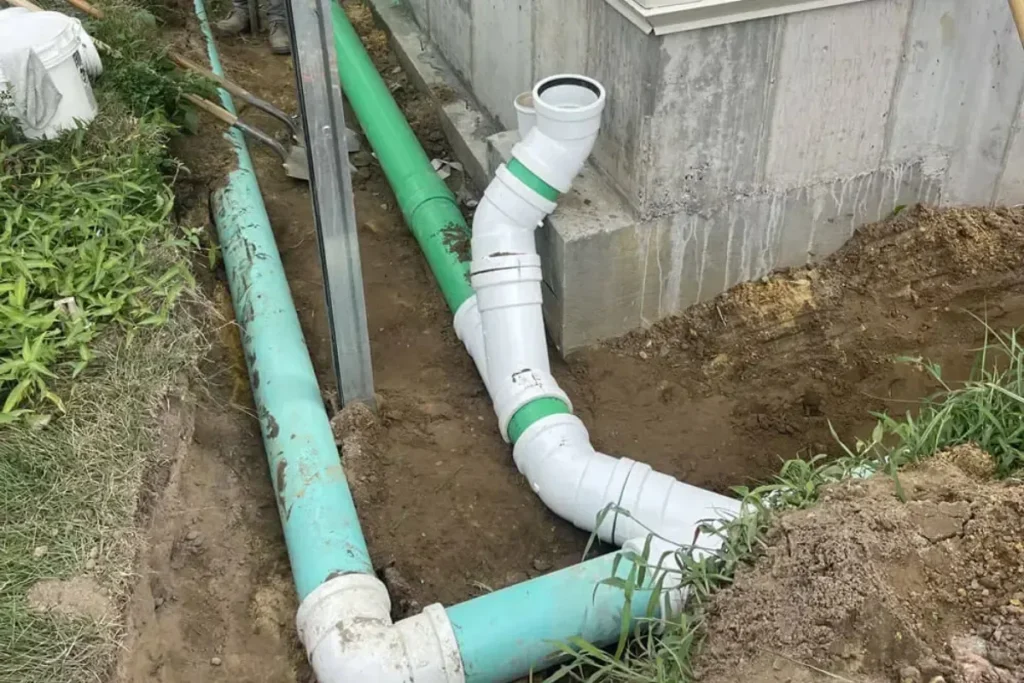
New drain pipes and fittings in a trench beside a South Jersey home foundation
Uncategorized

Why Does a Basement Floor Drain Smell?

Basement Floor Drain Smell: The Usual Causes and Fixes A basement floor drain usually smells because the water seal in its trap has dried out, which lets sewer gas rise into the room. Other causes include buildup in the drain, a blocked vent, or a damaged line. Our drain cleaning service handles the last two. This post explains each cause, how to tell them apart, and which fixes you can try yourself. What Makes a Basement Floor Drain Smell Like Sewage? Every floor drain has a trap, a curved pipe that holds a little water. According to the South Davis Sewer District, that water acts as a barrier that keeps sewer gases out of your home. When the barrier fails, the smell comes up through the drain. Most of the time the cause is one of the four below. A Dry Trap Basement drains get little use. The water in the trap slowly evaporates. Once it is gone, gas has a clear path into the room. Hot weather, a furnace running all winter, or a long stretch with no use all speed this up. Buildup Inside the Drain Lint, soap, sludge, and bacteria collect in a floor drain, especially one near a washing machine. This gives off a musty or rotten smell even when the trap still holds water. A Blocked or Broken Vent Drain lines need air. If a vent is blocked or disconnected, the water in a trap can get pulled out. The trap then lets gas through. A Cracked or Damaged Drain Line A crack in the line under the slab can leak gas without leaving any visible water. This cause is less common, but it does not go away on its own. Other Sources Near the Drain A sump pit, a loose cleanout plug, or a leaking toilet seal nearby can also send odor into the basement. People often blame the floor drain when the real source is a few feet away. Check these spots before you assume the worst. One more clue is timing. A smell that shows up after a rainstorm or after the washer drains points to a different problem than one that grows slowly over weeks. How Can You Tell Which Smell Problem You Have? The smell and the signs around it point to the cause. Start with how often the drain gets used. A rotten egg smell from a drain you rarely use is almost always a dry trap. A musty or earthy smell points to buildup or mildew. A strong sewage smell with gurgling or slow drains points to a clog. Rotten egg smell is also the smell added to natural gas. If you have a gas furnace or water heater nearby and the smell is strong, leave the house and call the gas company first. Try this simple test. Pour a gallon of water into the drain. If the smell fades within an hour, you had a dry trap. If it comes back in a day or two, look deeper. What We See in South Jersey Basements The Sewer Kings is family owned and run by brothers Mark and Anthony Papaneri. They learned the trade working beside their father on government water and sewer projects. Our crews clean drains and main lines across Evesham and South Jersey every week. Many South Jersey homes sit on older lines. Cast iron and clay pipe can crack, roughen inside, and trap debris. A floor drain on one of those lines can smell even after you refill the trap. The gas itself is worth a thought. The ATSDR notes that hydrogen sulfide, the rotten egg gas in sewer gas, can irritate the eyes, nose, and throat. It also says high levels can be dangerous. Smell is not a safe alarm, because the gas can dull your sense of smell. Keep the basement ventilated while you work on it. Open a window or run a fan. Never mix drain cleaners to fight the odor, because the fumes can be harmful and the chemicals can wear on old pipe. A faint smell from a dry trap in a ventilated basement is usually low risk. A strong smell that does not clear is not something to wait on. Should You Fix a Smelly Floor Drain Yourself or Call a Pro? Fix it yourself if the smell points to a dry trap. Pour a gallon of water into the drain, then run water in every little-used drain. Add a spoonful of mineral oil on top. It floats on the water and slows evaporation. The South Davis Sewer District prefers mineral oil over cooking oil because cooking oil can go rancid. Then repeat once a month. If the drain is always dry, a trap primer is a device that refills the trap for you. A plumber can fit one. Write down when the smell started and when it is strongest. That short note helps the technician find the cause faster. It also helps to tell us whether the washer, a sump pump, or a nearby bathroom drains into the same line. Call a pro if the smell returns after a day or two, if the drain gurgles, or if water backs up. These signs point to a clog or a line problem. A technician can run a cable, as we explain in our post on what a drain snake is and how far it reaches, or clear it with a jetter. Not sure which tool fits? Our snaking vs. hydro jetting cost comparison breaks it down. You can also read how long drain cleaning takes to know what to expect on the day. If the line keeps clogging, we run a camera first. Then we pick the right fix, whether that is cleaning or repair. Frequently Asked Questions How do I get rid of the smell in my basement floor drain? Pour a gallon of water into the drain to refill the trap. Then add a little mineral oil on top to slow evaporation. If the smell

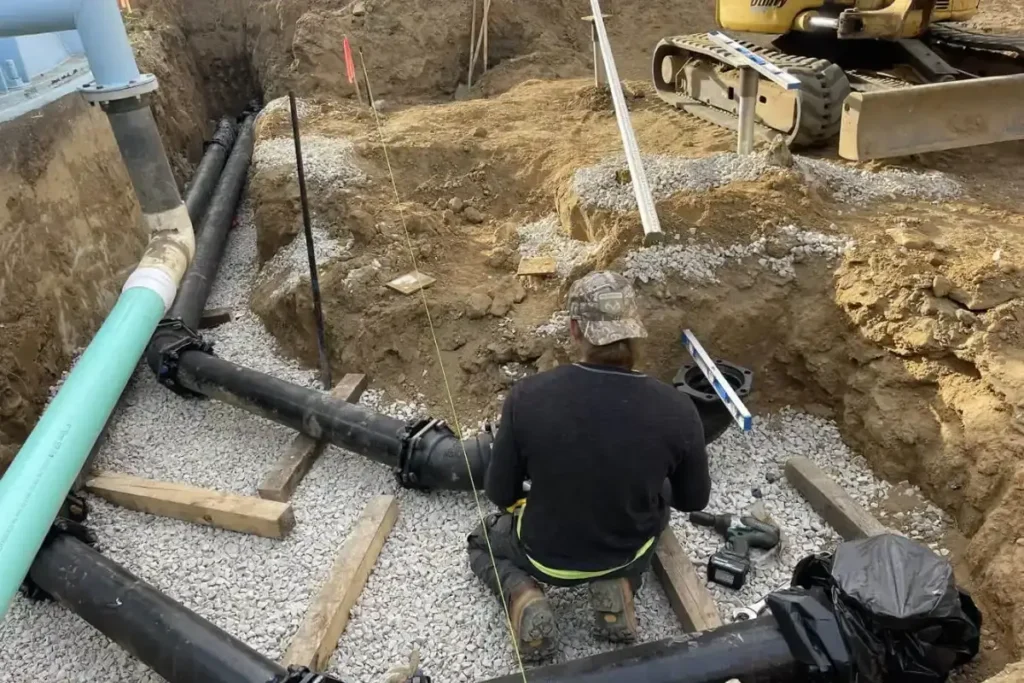
Plumber fitting black drain pipes on a gravel bed in an open dig in South Jersey
Uncategorized

Can You Pour Boiling Water Down a Drain?

Usually no. Boiling water is hotter than most drain pipes are built for, and it rarely fixes a real clog. Here is what it can damage and what works better. Is Boiling Water Safe for Your Drain? It depends on your pipes, but boiling water is a risky habit for most homes. Standard plastic drain pipe is not made for water that hot, and a kettle pour does little to clear a real clog. A pro drain cleaning visit is the safer fix. Many people reach for the kettle first because it is free and fast. That makes sense. But the heat can cause damage you only find later as a slow leak. This guide covers what boiling water does to different pipes and fixtures, when one pour is fine, and what to do when a drain will not clear. What Does Boiling Water Do to Drain Pipes? Boiling water is 212 degrees Fahrenheit. Most modern home drains are made of PVC plastic, and that plastic has a heat limit well below boiling. Charlotte Pipe, a major U.S. pipe maker, rates its PVC drain pipe for water up to 140 degrees Fahrenheit, according to its plastics product knowledge guide. Boiling water is 72 degrees past that line. PVC Pipe and Glued Joints Hot water softens PVC. The pipe walls can sag a little, and the glued joints can loosen. One pour may do nothing you can see. Repeated pours add up, and a loose joint under a sink or in a wall leaks slowly. Metal Pipes Cast iron and galvanized steel handle heat better. But older metal pipe can be thin, rusty or pitted inside. A burst of heat does not fix that, and it does not clear what is stuck in there. Sinks, Tubs and Toilets Porcelain can crack from thermal shock. That is a fast jump from cool to very hot. A boiling pour into a cold toilet bowl or a porcelain sink is a common way people crack a fixture. Heat can also soften the wax ring that seals a toilet to the floor. Why the Damage Is Easy to Miss Heat damage hides inside the wall or under the cabinet. You may see nothing for months. Then a joint weeps, the cabinet floor swells and mold starts. By then a simple drain issue has become a plumbing repair. Does Boiling Water Actually Clear a Clog? Mostly no. It works on only a few kinds of slow drains, and it can make others worse. The idea comes from the fact that heat thins grease. That is true for a moment. The trouble is that a drain is a long pipe, and the water cools fast as it travels. Where It Can Help A light film of soap or a little grease at the trap may loosen with hot water. If you try it, use water that is hot from the tap, or let boiled water cool for a few minutes first. Run cold water at the same time to cool the pour. Where It Fails Hair, wipes, paper, tree roots and packed grease do not dissolve in hot water. Grease also melts, travels down the line and cools into a hard layer farther along. You have moved the clog, not removed it. Where It Can Make Things Worse If the drain is fully blocked, the water just sits and heats the pipe and the fixture. A full pot of boiling water in a clogged sink can also splash and scald you. Skin burns fast from very hot water. The U.S. Consumer Product Safety Commission urges homes to set water heaters to 120 degrees Fahrenheit to prevent scalds, in its tap water scalds publication. Boiling water is far hotter than that. What Should South Jersey Homeowners Know? Homes in Evesham, Marlton and the towns around them were built across many decades. That means a mix of drain materials, from older galvanized and cast iron to modern PVC. You may not know which one runs behind your wall. Newer additions, like a remodeled bathroom or a finished basement, are almost always PVC. A boiling pour that reaches those joints is the risky part. The Sewer Kings crews open drain lines in this area and see what slow drains are made of. Most are not hot water problems. They are grease, hair, wipes or roots, and none of those melt away with a kettle. A crew can clear that buildup from the inside, and it does not stress your pipes. If you live in an older home, ask a plumber what your drain lines are made of before you test any heat on them. A short visit can save you a repair bill later. What Should You Do Instead of Boiling Water? Start with the gentlest tool that fits the problem. Move up only if it fails. Try Mechanical Fixes First A cup plunger works on sinks and tubs. A flat flange plunger works on toilets. A small hand snake, sold at most hardware stores, reaches a few feet into the trap and pulls out hair. For a slow sink, a plunger or a hand drain snake pulls out hair and soap buildup. Our guide on why a bathroom sink drains slowly shows the common causes. Skip store-bought liquid cleaners when you can. They can be harsh on old pipe. Read are chemical drain cleaners bad for your pipes before you try one. Prevent clogs by keeping grease and wipes out of the drain. See what you should never put down your drain for the full list. Call a pro if more than one drain is slow, the clog keeps coming back, or water backs up. Hard buildup in the line may need hydro jetting, and our post on whether hydro jetting can damage old pipes explains how it works safely. A plumber can also run a camera to see the cause. If you are unsure what is behind a repeat clog, a quick look is cheaper than guessing.

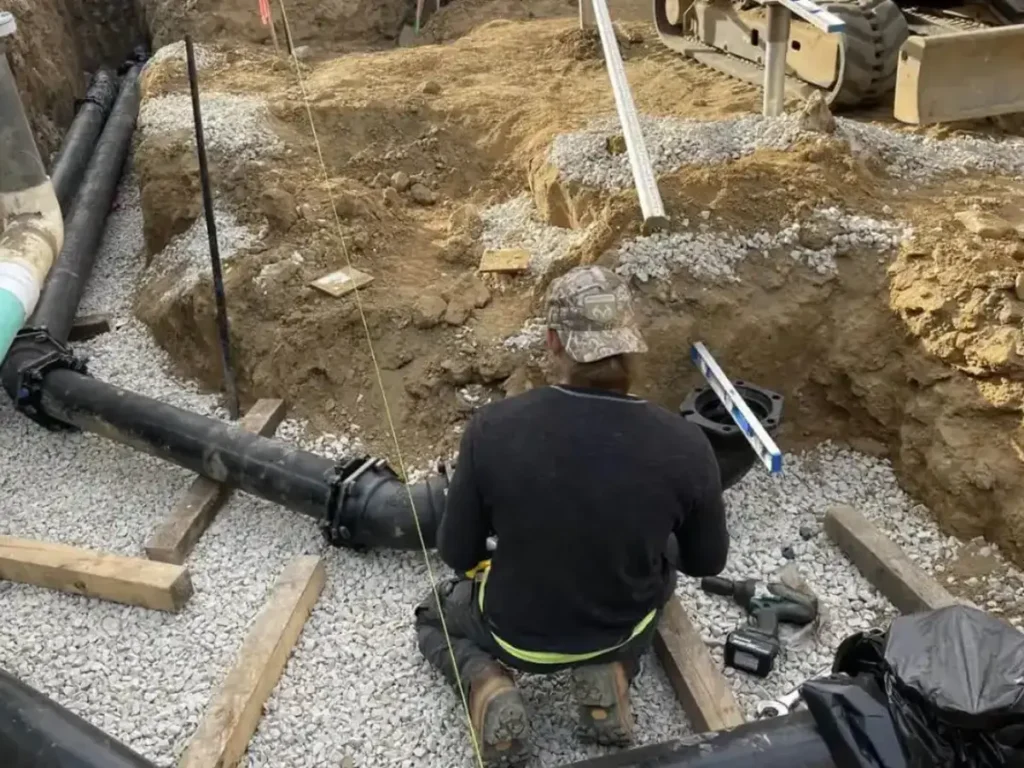
Plumber fitting black drain pipes in an open sewer excavation in South Jersey
Uncategorized

What Is a Drain Snake and How Far Does It Reach?

Drain Snakes Explained: What They Do and How Deep They Go A drain snake is a long, flexible metal cable that breaks up or pulls out a clog, and most reach between 15 and 100 feet. The tool you own decides how far you get. A small hand snake handles a sink. A motorized machine can run a main line. Professional drain cleaning starts with that same choice. This post covers what a drain snake is, how far each type reaches, and when a snake stops being the right tool. What Is a Drain Snake and How Does It Work? A drain snake, also called a drain auger or plumber's snake, is a coiled steel cable with a corkscrew or cutting head on one end. According to HomeTips, it is a flexible cable tool used to break up or retrieve clogs inside pipes. You feed the cable into the drain and turn it. The head bites into the clog. It either breaks the blockage apart or hooks it so you can pull it back out. Why a Snake Beats a Plunger on Deep Clogs A plunger only works near the drain opening. A snake works inside the pipe, past the trap and the first bend. That is why it clears hair, paper, and soft buildup that a plunger cannot touch. What the Cable Head Looks Like Most heads look like a tight spring or a small drill bit. Some have a hook for hair. Others have cutting blades for roots. The head you pick should match the clog you expect to find. What a Snake Does Not Do A snake opens a channel through the clog. It does not scrub the pipe wall. Grease and scale stay behind, so the same drain can slow down again in a few months. How Far Does a Drain Snake Reach? Reach depends on the cable length, and cable length depends on the type of snake. HomeTips lists hand augers at 15 to 25 feet and motorized sewer augers at 50 to 100 feet or more. Hand Auger: 15 to 25 Feet This is the crank snake sold at hardware stores. It fits sinks, tubs, and short branch lines. It is not built for a main sewer line. Drum Auger: 25 to 50 Feet A drum auger stores the cable in a drum, so it feeds out longer and cleaner. Many run off a drill. They work well on branch drains and floor drains. Motorized Sewer Machine: 50 to 100+ Feet A sewer machine is a wheeled, powered unit with a thick cable. This is what a technician runs down a main line from the cleanout. It is the only type that reliably reaches from the house to the street. Pipe Size Matters Too Thin cable fits thin pipe. A 1/4-inch cable suits a sink line. A main sewer line is usually 4 inches wide, so it needs a thicker, stiffer cable. Pushing a small consumer snake into a large pipe wastes time and can bend or kink the cable. Cable length is not the same as distance cleared. A snake that is 25 feet long cannot clear a clog that sits 40 feet from your cleanout. What We See on Snake Jobs in South Jersey The Sewer Kings is family owned and run by brothers Mark and Anthony Papaneri. They learned the trade working beside their father on government water and sewer projects. Their crews run cable machines and jetters on residential and commercial calls every week, as we explain in our snaking vs. hydro jetting cost comparison. Many South Jersey homes sit on older lines. Old pipe can be rough, cracked, or corroded inside. A cable can catch on those spots or scrape metal loose, which can make a clog worse. Mr. Rooter notes that improper use can lead to pipe damage and that drum augers are typically only recommended for experts. That matches what we see in the field. Roots are the other big one. Mature trees in older South Jersey neighborhoods send fine roots into joints. A snake can cut them back, but they grow right back. A camera shows how bad it is before anyone guesses. When a line keeps clogging, we run a camera first. Then we pick the right tool. Sometimes that is a cable. Sometimes it is a jetter. Sometimes the pipe needs repair. Should You Snake the Drain Yourself or Call a Pro? Snake it yourself if the clog is in one sink, tub, or shower and you can reach it with a hand auger. Go slow. Never force the cable. Feed it a foot or two at a time, turn the handle, and pull it back often to clear what it grabs. Wear gloves, because the cable comes out dirty. Stop if the cable will not move or you feel a hard stop that does not give. That can be a bend, a crushed pipe, or a root mass. Forcing it only makes the repair bigger. Call a pro if more than one drain is slow, water backs up in a floor drain, or the clog returns within weeks. Those signs point to the main line. Our post on what a sewer cleanout is and where to find it shows where a technician gets access. If the floor drain also smells, see why a floor drain smells. Also call if you suspect tree roots or a broken pipe. A snake will not fix those. See what hydro jetting is and how it works for the next step up, or read how long drain cleaning takes to know what to expect. Frequently Asked Questions Can a drain snake damage pipes? Yes, if it is used wrong. Forcing the cable or running it through old, corroded pipe can scrape the wall or crack a weak joint. Go slow and stop if the cable binds. If you are not sure what your pipes are made of, call a pro. How long of a drain snake do

Scroll to Top